While basic basement waterproofing methods can be effective for addressing minor water issues, some homes require more advanced solutions. Factors such as the age of the home, the severity of water problems, and the local climate can all contribute to the need for more comprehensive waterproofing systems. In this article, we’ll delve into advanced basement waterproofing techniques, exploring the challenges they address, the materials involved, and the benefits they offer for long-term home protection.
Understanding Advanced Waterproofing Systems
Advanced waterproofing systems go beyond the basics of interior and exterior waterproofing, often combining multiple methods to create a comprehensive barrier against water infiltration. These systems are designed to address more complex water issues and provide a higher level of protection for the home.
- Exterior vs. Interior Systems Advanced waterproofing typically involves a combination of both exterior and interior systems. Exterior systems are essential for preventing water from entering the basement in the first place, while interior systems help manage any water that does make its way inside. This dual approach ensures that the basement remains dry even under challenging conditions.
- Full Foundation Waterproofing Full foundation waterproofing involves applying a waterproof barrier to the entire exterior of the foundation. This method is particularly effective for homes with significant water issues or in areas with high water tables. Full foundation waterproofing may include the installation of waterproof membranes, drainage systems, and other protective measures to prevent water from penetrating the foundation walls.
- Comprehensive Drainage Systems Advanced waterproofing systems often incorporate comprehensive drainage solutions, both inside and outside the home. Exterior drainage systems, such as French drains, work in tandem with interior drainage systems to channel water away from the foundation and prevent it from seeping into the basement. In some cases, gravity-fed drainage systems are used, while in others, pumped systems are necessary to move water away from the home.
Waterproofing for Older Homes
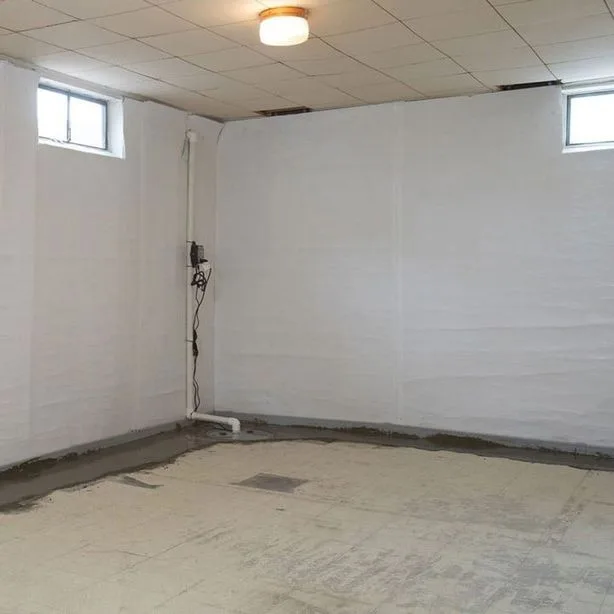
Older homes present unique challenges when it comes to waterproofing. These homes may have outdated or insufficient waterproofing systems, or they may have been built before modern waterproofing techniques were developed. Retrofitting advanced waterproofing systems in older homes requires careful planning and execution to address the specific needs of the property.
- Assessing the Condition of the Foundation Before any waterproofing work begins, it’s essential to assess the condition of the foundation. Older homes may have cracks, deteriorating materials, or other structural issues that need to be addressed before waterproofing can be effective. A thorough inspection by a professional is necessary to identify any areas of concern.
- Retrofitting with Modern Materials Retrofitting an older home with modern waterproofing materials can be challenging but highly effective. For example, older foundations may benefit from the application of new waterproof membranes or coatings, which can provide a much higher level of protection than the original materials. In some cases, additional drainage systems may need to be installed to manage water more effectively.
- Preserving the Home’s Historic Character When waterproofing older homes, it’s important to consider the home’s historic character. Some waterproofing methods, such as exterior membranes, may not be appropriate for homes with historic facades. In these cases, interior waterproofing solutions may be preferred, or special materials may be used to preserve the appearance of the home while still providing effective protection.
The Role of Basement Drainage Systems
Drainage systems play a critical role in advanced basement waterproofing. By effectively managing water both inside and outside the home, these systems help prevent water from accumulating around the foundation and seeping into the basement.
- Perimeter Drainage Systems Perimeter drainage systems, also known as weeping tile or drain tile systems, are installed around the exterior of the foundation to collect and divert water away from the home. These systems typically consist of perforated pipes buried in gravel-filled trenches, which allow water to flow away from the foundation and into a drainage outlet. Perimeter drainage systems are particularly effective in areas with high water tables or heavy rainfall.
- Interior Drainage Systems Interior drainage systems are installed along the perimeter of the basement floor and are designed to collect water that seeps through the foundation walls or floor. The water is then directed to a sump pump, which removes it from the basement. Interior drainage systems are often used in conjunction with other waterproofing methods, such as sump pumps and waterproof coatings, to provide comprehensive protection.
- Gravity Drainage vs. Pumped Systems The choice between gravity drainage and pumped systems depends on the specific conditions of the home. Gravity drainage systems rely on the natural slope of the land to direct water away from the foundation, while pumped systems use mechanical pumps to remove water from the basement. Pumped systems are often necessary in flat areas or in homes with low-lying basements where gravity drainage alone is not sufficient.
Waterproofing with Foundation Repair
In some cases, waterproofing alone may not be enough to protect the home from water damage. When the foundation is compromised, structural repair is necessary in conjunction with waterproofing to ensure the long-term stability of the home.
- Identifying Structural Issues Before waterproofing can be effective, any structural issues with the foundation must be addressed. This may include repairing cracks, reinforcing weakened walls, or stabilizing the foundation. A professional inspection is essential to identify any underlying problems that could affect the success of the waterproofing system.
- Combining Waterproofing with Structural Repair When foundation repair is necessary, it’s important to combine it with waterproofing to prevent future problems. For example, after repairing cracks in the foundation, a waterproof membrane can be applied to prevent water from penetrating the repaired areas. In some cases, additional drainage systems may be installed to manage water more effectively and reduce pressure on the foundation.
- Long-Term Benefits Combining foundation repair with waterproofing not only protects the home from water damage but also ensures the long-term stability and safety of the structure. This approach is particularly important for homes in areas with challenging soil conditions or frequent weather extremes.
Choosing the Right Materials
The success of an advanced waterproofing system depends on the quality of the materials used. High-performance waterproofing materials are designed to withstand extreme conditions and provide long-lasting protection for the home.
- Waterproof Membranes Waterproof membranes are one of the most effective materials for protecting a foundation from water infiltration. These membranes are typically made from rubberized asphalt or other flexible materials that can expand and contract with the foundation as it moves. Waterproof membranes are applied to the exterior of the foundation and are often used in conjunction with drainage systems to provide comprehensive protection.
- Sealants and Coatings Sealants and coatings are essential for filling cracks and gaps in the foundation and creating a waterproof barrier. Epoxy and polyurethane injections are commonly used to seal cracks from the inside, while waterproof coatings can be applied to the interior or exterior of the foundation. These materials are particularly useful for addressing minor water issues and preventing further damage.
- Drainage Materials The materials used in drainage systems, such as perforated pipes and gravel, play a crucial role in directing water away from the foundation. High-quality drainage materials are essential for ensuring that water is effectively managed and that the system remains functional over time. In some cases, specialized drainage products, such as drainage boards or drainage mats, may be used to enhance the performance of the system.
Case Studies
To better understand the application of advanced waterproofing techniques, let’s explore some case studies of homes with complex waterproofing needs.
- Case Study 1: A Historic Home with Persistent Water Problems A historic home located in a flood-prone area had persistent water problems despite previous waterproofing efforts. The home’s stone foundation was prone to seepage, and the existing drainage system was inadequate. To address the issue, a comprehensive waterproofing system was installed, including a new perimeter drainage system, interior drainage channels, and a waterproof membrane on the exterior of the foundation. The combination of these methods successfully eliminated water infiltration, preserving the home’s historic character while providing long-term protection.
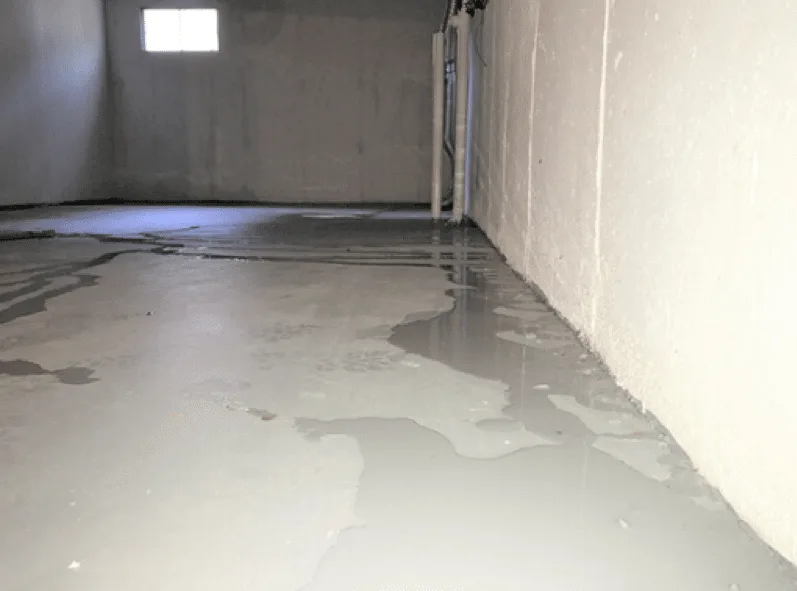
- Case Study 2: A Modern Home with High Water Table Challenges A modern home built on a lot with a high water table experienced frequent flooding in the basement. The existing sump pump system was overwhelmed during heavy rain, leading to water damage and mold growth. To solve the problem, an advanced waterproofing system was implemented, including installing a second sump pump, an exterior French drain, and a waterproof coating on the foundation walls. The new system provided effective water management, preventing future flooding and protecting the home from further damage.
- Case Study 3: A Home with Structural Foundation Issues A home with a cracked and bowing foundation required both structural repair and waterproofing. The foundation was stabilized using steel reinforcement, and the cracks were sealed with epoxy injections. A waterproof membrane was then applied to the exterior of the foundation, and an interior drainage system was installed to manage any water that might seep through. The combined approach addressed both the structural and waterproofing needs of the home, ensuring long-term stability and protection.
Advanced basement waterproofing techniques are essential for homes with complex water issues or in challenging environments. By combining multiple methods, such as exterior and interior waterproofing, drainage systems, and foundation repair, homeowners can create a comprehensive system that provides long-lasting protection. Choosing the right materials and working with experienced professionals are key to the success of these advanced systems. Ultimately, investing in advanced waterproofing not only protects the home from water damage but also ensures the long-term safety and value of the property.
Contact the Professionals at ARK Basement Services Today! (866) 488-3466

Mike Perry is the esteemed owner of ARK Basement Services, a premier company specializing in basement waterproofing and foundation repair services. Under Mike’s leadership, ARK Basement Services has established itself as a trusted leader in the industry, known for delivering high-quality, reliable solutions to homeowners facing basement and foundation issues. Mike’s commitment to excellence, combined with his extensive knowledge and experience in the field, has been instrumental in building a company that is dedicated to ensuring customer satisfaction and the longevity of their homes. His hands-on approach and dedication to utilizing the latest technologies and methods have set ARK Basement Services apart, making them a go-to provider for those in need of expert basement and foundation services. For more details on Mike Perry’s work and ARK Basement Services, visit their website at https://www.arkbasementservices.com/.