The crawlspace, though often overlooked, plays a crucial role in the overall health of your home. It is susceptible to moisture and water damage due to its proximity to the ground. Without proper waterproofing, crawlspaces can harbor mold, mildew, and wood rot, which can compromise the structural integrity of your home and lead to poor indoor air quality. This guide delves into the various aspects of crawlspace waterproofing, providing homeowners with effective strategies to maintain a dry and healthy foundation.
Understanding the Importance of Crawlspace Waterproofing
Crawlspaces are integral to the structural foundation of many homes, particularly in regions where basements are not common. These areas can easily accumulate moisture from the ground, especially in humid climates or during rainy seasons. The consequences of a damp crawlspace extend beyond the immediate space, affecting the entire home: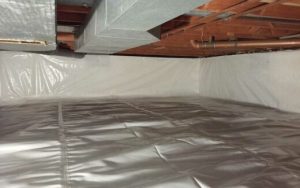
- Structural Damage: Moisture can weaken wooden beams and floor joists, leading to costly structural repairs.
- Health Risks: Damp environments are breeding grounds for mold and dust mites, which are common allergens that can impact respiratory health.
- Energy Efficiency: Moisture in the crawlspace can affect the efficacy of heating and cooling systems, resulting in higher energy costs.
- Pest Infestations: A wet crawlspace attracts pests such as termites and carpenter ants that thrive in moist wooden environments.
Identifying Crawlspace Moisture Issues
Before implementing any waterproofing techniques, it’s crucial to identify the signs of moisture problems in your crawlspace:
- Visible Mold and Mildew: These can appear as white, green, or black spots on wood and insulation.
- Musty Odors: A persistent earthy or musty smell is a strong indicator of moisture problems.
- Increased Humidity: Unusual humidity in living areas can be due to evaporation from the crawlspace.
- Water Pooling: Standing water during or after heavy rain is a clear sign of inadequate drainage.
- Wood Rot: This occurs when moisture has been present for an extended period.
Effective Crawlspace Waterproofing Techniques
Once you’ve assessed the condition of your crawlspace, you can consider several waterproofing and moisture control strategies:
1. Vapor Barrier Installation
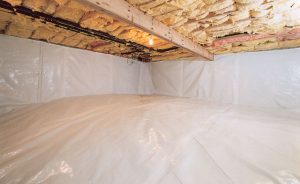
One of the simplest and most effective methods to protect your crawlspace from moisture is the installation of a vapor barrier. This is a polyethylene plastic or foil sheet that covers the ground and walls of the crawlspace to prevent moisture from the soil from evaporating into the crawlspace air.
2. Encapsulation
Encapsulation is a step up from installing a vapor barrier. This method involves completely sealing the crawlspace with heavy-duty polyethylene. The floors, walls, and sometimes the ceiling are lined with this moisture-blocking material, and all seams are sealed with waterproof tape. Often, encapsulation is combined with a dehumidifier to control the humidity levels within the sealed area.
3. Improving Drainage
Proper exterior drainage is critical in preventing water from pooling around the foundation and seeping into the crawlspace. Techniques include installing French drains around the perimeter of the home, regrading the landscape to direct water away from the foundation, and ensuring downspouts extend several feet away from the house.
4. Sump Pump Installation
In areas prone to flooding or in homes where water tends to accumulate in the crawlspace, a sump pump can be an essential addition. Installed at the lowest point of the crawlspace, the sump pump actively removes water that has collected, pumping it away from the home.
5. Dehumidifiers
Maintaining low humidity levels in your crawlspace is crucial in preventing mold growth and dampness. Installing a dehumidifier can help regulate the moisture level, especially in tightly sealed or encapsulated crawlspaces.
Choosing the Right Waterproofing Technique
Selecting the appropriate waterproofing method depends on the specific conditions and challenges of your home’s crawlspace. For most homes, a combination of methods—such as encapsulation with a dehumidifier and an exterior drainage system—provides comprehensive protection.
Crawlspace waterproofing is a vital part of maintaining the health and integrity of your home. By employing the appropriate waterproofing techniques, homeowners can protect their property from moisture-related damages, enhance indoor air quality, and improve the overall energy efficiency of their home. Understanding the various methods and their benefits allows homeowners to make informed decisions about the best way to protect their investment and ensure a safe and healthy living environment.
Contact the Professionals at Ark Basement Services Today! (412) 856-4500

Mike Perry is the esteemed owner of ARK Basement Services, a premier company specializing in basement waterproofing and foundation repair services. Under Mike’s leadership, ARK Basement Services has established itself as a trusted leader in the industry, known for delivering high-quality, reliable solutions to homeowners facing basement and foundation issues. Mike’s commitment to excellence, combined with his extensive knowledge and experience in the field, has been instrumental in building a company that is dedicated to ensuring customer satisfaction and the longevity of their homes. His hands-on approach and dedication to utilizing the latest technologies and methods have set ARK Basement Services apart, making them a go-to provider for those in need of expert basement and foundation services. For more details on Mike Perry’s work and ARK Basement Services, visit their website at https://www.arkbasementservices.com/.