Crawlspaces, those often-neglected spaces beneath residential structures, play a critical role in the overall health and integrity of a home. Despite their importance, crawlspaces are prone to moisture intrusion, which can lead to a myriad of problems such as mold growth, structural damage, and compromised indoor air quality. To combat these issues, homeowners must employ effective crawlspace waterproofing methods. In this comprehensive guide, we’ll delve into various crawlspace waterproofing techniques suitable for residential homes, from simple preventative measures to comprehensive encapsulation solutions.
Understanding the Significance of Crawlspace Waterproofing
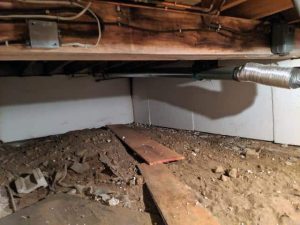
Crawlspaces are susceptible to moisture intrusion from several sources, including groundwater seepage, rainwater runoff, and condensation. This moisture can penetrate the crawlspace, leading to damp conditions that foster mold and mildew growth, rot wooden structures, and attract pests. Additionally, moisture-laden air can permeate upward into the living spaces, causing indoor humidity levels to rise and potentially leading to health issues for occupants. Therefore, crawlspace waterproofing is essential for maintaining a dry, healthy, and structurally sound home.
Common Issues Associated with Crawlspace Moisture
Identifying signs of crawlspace moisture intrusion is crucial for addressing potential issues before they escalate. Common indicators of crawlspace moisture problems include musty odors, standing water or dampness, mold growth on surfaces, condensation on pipes or insulation, and pest infestations. Additionally, homeowners may notice sagging floors, increased energy bills, or respiratory issues among occupants, all of which can be attributed to crawlspace moisture issues.
Effective Crawlspace Waterproofing Methods
Several effective crawlspace waterproofing methods can be employed to mitigate moisture intrusion and its associated problems:
- Vapor Barrier Installation: Installing a vapor barrier, also known as a moisture barrier or crawl space liner, is a fundamental step in crawlspace waterproofing. A vapor barrier typically consists of a thick plastic sheet or membrane that is laid over the soil or gravel floor of the crawlspace, creating a barrier that prevents moisture from evaporating into the crawlspace air. This helps maintain low humidity levels and prevents moisture-related issues such as mold growth and wood rot.
- Crawlspace Encapsulation: Crawlspace encapsulation takes waterproofing to the next level by sealing the entire crawlspace environment. This process involves covering the crawlspace floor, walls, and sometimes even the ceiling with a durable material such as reinforced polyethylene liner or specialized waterproofing membrane. By creating a completely sealed environment, encapsulation prevents moisture intrusion from all sides and provides added protection against mold, pests, and structural damage.
- Foundation Drainage Systems: Proper drainage around the foundation perimeter is essential for managing groundwater and surface water that could seep into the crawlspace. Installing a foundation drainage system, such as French drains or interior footing drains, helps redirect water away from the foundation walls and crawlspace area. These systems typically consist of perforated pipes surrounded by gravel or drainage aggregate, which collect and channel water away from the structure, preventing it from entering the crawlspace.
- Sump Pump Installation: A sump pump is a critical component of any crawlspace waterproofing system, especially in areas prone to flooding or high groundwater levels. A sump pump is installed in a pit or basin within the crawlspace, where it automatically removes accumulated water through a discharge pipe when water levels rise above a certain threshold. Sump pumps are available in various types, including pedestal pumps and submersible pumps, and can be equipped with backup power sources for uninterrupted operation during power outages.
- Crawlspace Ventilation: Proper ventilation is essential for maintaining optimal crawlspace conditions by promoting airflow and preventing moisture buildup. Crawlspace ventilation systems, such as vents, fans, or dehumidifiers, help regulate humidity levels and prevent condensation. Vents can be installed in the crawlspace walls or foundation vents to allow air circulation, while fans and dehumidifiers help remove excess moisture from the air, reducing the risk of mold growth and other moisture-related issues.
Tips for Maintaining a Dry Crawlspace
In addition to implementing waterproofing measures, regular maintenance and monitoring are essential for ensuring a dry and healthy crawlspace environment:
- Regular Inspections: Conduct routine inspections of the crawlspace to check for signs of moisture intrusion, such as standing water, dampness, mold growth, or musty odors. Address any issues promptly to prevent further damage and deterioration.
- Monitor Humidity Levels: Use a hygrometer or humidity monitor to track humidity levels in the crawlspace. Ideally, humidity levels should be maintained below 60% to prevent mold growth and moisture-related issues. If humidity levels exceed this threshold, consider installing a dehumidifier or improving ventilation to reduce moisture buildup.

- Maintain Exterior Grading: Ensure that the grading around the perimeter of your home slopes away from the foundation, directing water away from the crawlspace. Periodically inspect the exterior of your home for any signs of soil erosion or settlement that could compromise proper drainage.
- Keep Gutters and Downspouts Clean: Regularly clean and maintain gutters and downspouts to ensure proper water drainage from the roof. Clogged gutters can cause water to overflow and pool near the foundation, increasing the risk of crawlspace flooding and moisture intrusion.
- Seal Cracks and Openings: Inspect the foundation walls, vents, and access doors for any cracks or openings that could allow water to enter the crawlspace. Seal any gaps or cracks with waterproof sealant or caulking to prevent water infiltration.
- Install Insulation: Proper insulation in the crawlspace can help regulate temperature and humidity levels, reducing the risk of condensation and moisture buildup. Choose insulation materials that are moisture-resistant and appropriate for crawlspace applications.
- Invest in Professional Waterproofing Services: If you’re experiencing persistent moisture issues or require extensive crawlspace repairs, consider hiring a professional waterproofing contractor. An experienced contractor can assess your crawlspace, identify underlying issues, and recommend the most effective waterproofing solutions tailored to your specific needs.
Crawlspace waterproofing is not only about protecting your home from moisture damage but also about safeguarding the health and well-being of your family. By understanding the importance of moisture control, recognizing common issues, and implementing effective waterproofing methods, you can create a dry, healthy, and resilient crawlspace environment for years to come.
Remember, prevention is key when it comes to crawlspace waterproofing. Regular maintenance, monitoring, and timely repairs are essential for keeping moisture at bay and preserving the integrity of your home’s foundation. By taking proactive measures and investing in professional waterproofing services when needed, you can ensure that your crawlspace remains dry, safe, and free from moisture-related problems.
In conclusion, crawlspace waterproofing is an investment in the longevity and structural integrity of your home. Don’t wait until moisture issues escalate; take action now to protect your crawlspace and enjoy peace of mind knowing that your home is secure against the damaging effects of moisture.
Contact the Professionals at Ark Basement Services Today! (866) 939-2837

Mike Perry is the esteemed owner of ARK Basement Services, a premier company specializing in basement waterproofing and foundation repair services. Under Mike’s leadership, ARK Basement Services has established itself as a trusted leader in the industry, known for delivering high-quality, reliable solutions to homeowners facing basement and foundation issues. Mike’s commitment to excellence, combined with his extensive knowledge and experience in the field, has been instrumental in building a company that is dedicated to ensuring customer satisfaction and the longevity of their homes. His hands-on approach and dedication to utilizing the latest technologies and methods have set ARK Basement Services apart, making them a go-to provider for those in need of expert basement and foundation services. For more details on Mike Perry’s work and ARK Basement Services, visit their website at https://www.arkbasementservices.com/.