Crawlspaces are often overlooked areas of a home, tucked away beneath the main living areas. Despite their hidden nature, crawlspaces play a crucial role in maintaining the structural integrity and indoor air quality of a home. However, they are susceptible to moisture intrusion, which can lead to a host of problems such as mold growth, wood rot, and pest infestations. In this comprehensive guide, we’ll explore everything you need to know about crawlspace waterproofing, from understanding common issues to implementing effective solutions.
Understanding Crawlspace Moisture Issues
Before delving into solutions, it’s essential to understand the common moisture-related problems associated with crawlspaces. Here are some primary issues homeowners may encounter:
- Groundwater Seepage: Groundwater can infiltrate the crawlspace through the soil, especially during periods of heavy rain or snowmelt. This can lead to standing water, high humidity levels, and moisture-related issues.
- Poor Drainage: Inadequate drainage around the perimeter of the home can cause water to pool near the crawlspace, increasing the risk of moisture intrusion.
- Condensation: Condensation occurs when warm, moist air comes into contact with cooler surfaces in the crawlspace. Excessive condensation can lead to dampness, mold growth, and musty odors.
- Vapor Intrusion: Moisture vapor from the soil can permeate through the crawlspace floor and walls, contributing to elevated humidity levels and moisture-related problems.
- Inadequate Ventilation: Improper ventilation can trap moisture inside the crawlspace, promoting the growth of mold and mildew.
Effective Crawlspace Waterproofing Solutions
Addressing crawlspace moisture issues requires a multi-faceted approach that considers both interior and exterior factors. Here are some effective solutions to consider:
- Crawlspace Encapsulation: Crawlspace encapsulation involves sealing the crawlspace with a durable vapor barrier, such as polyethylene sheeting, to prevent moisture intrusion from the ground. The vapor barrier is installed over the crawlspace floor and walls, creating a moisture-resistant barrier that helps maintain a dry environment.
- Exterior Drainage Improvements: Proper drainage around the perimeter of the home is essential for directing water away from the crawlspace. This may involve grading the soil to create a slope away from the foundation, installing French drains or gutter extensions, and ensuring that downspouts discharge water at least 5-10 feet away from the foundation.
- Sump Pump Installation: In areas prone to groundwater seepage or standing water, installing a sump pump can help remove excess water from the crawlspace. A sump pump is typically installed in a sump pit and equipped with a float switch that activates the pump when water levels rise above a certain threshold.
- Interior Drainage Systems: Interior drainage systems, such as perimeter drains or drain tiles, can help collect and redirect water that infiltrates the crawlspace. These systems are installed along the interior perimeter of the crawlspace and connected to a sump pump for removal of collected water.
- Ventilation Improvement: Proper ventilation is crucial for maintaining a dry and healthy crawlspace environment. Installing vents or a mechanical ventilation system can help circulate air and reduce humidity levels inside the crawlspace.
- Foundation Repair: Cracks or gaps in the crawlspace walls or floor can provide entry points for moisture intrusion. Repairing foundation cracks with epoxy injection or hydraulic cement can help prevent water seepage.
- Crawlspace Dehumidification: Controlling humidity levels in the crawlspace is essential for preventing mold growth and moisture-related issues. Installing a crawlspace dehumidifier can help remove excess moisture from the air, creating a drier and more comfortable environment.
- Insulation: Proper insulation can help regulate temperature and reduce moisture condensation in the crawlspace. Insulate crawl space walls and floor joists with rigid foam insulation or spray foam to create a thermal barrier and prevent heat loss.
Preventative Maintenance Tips
In addition to implementing waterproofing solutions, regular maintenance is essential for keeping your crawlspace dry and free from moisture-related problems. Here are some preventative maintenance tips to consider:
- Inspect Gutters and Downspouts: Clean gutters and downspouts regularly to ensure proper drainage away from the home’s foundation. Repair any leaks or damage to prevent water from pooling near the crawlspace.
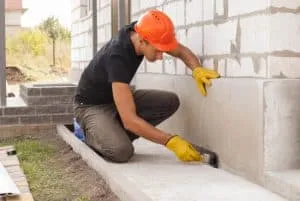
- Monitor Moisture Levels: Use a moisture meter to regularly monitor moisture levels in the crawlspace. Keep humidity levels below 60% to prevent mold growth and wood rot.
- Check Sump Pump: Test your sump pump regularly to ensure it is functioning correctly. Pour water into the sump pit to trigger the pump and verify that it activates and removes water as intended.
- Seal Entry Points: Seal any openings or cracks in the crawlspace walls or floor to prevent pests and moisture intrusion. Use caulk or foam sealant to fill gaps around pipes, vents, and utility penetrations.
- Inspect Crawlspace Encapsulation: Periodically inspect the crawlspace encapsulation system for damage or deterioration. Repair any tears or punctures in the vapor barrier and ensure that seams are properly sealed.
- Maintain Ventilation: Keep crawlspace vents clear of debris and obstruction to promote airflow and ventilation. Consider installing vent covers to prevent pests from entering the crawlspace.
- Regular Inspections: Conduct regular visual inspections of the crawlspace for signs of moisture, mold, or pest activity. Address any issues promptly to prevent further damage or deterioration.
Crawlspace waterproofing is a critical aspect of home maintenance that can protect against moisture-related problems and preserve the structural integrity of your home. By understanding common moisture issues and implementing effective waterproofing solutions, homeowners can ensure a dry, healthy crawlspace environment. With proper preventative maintenance and regular inspections, you can safeguard your home against moisture intrusion and enjoy peace of mind knowing that your crawlspace is protected.
Reach out to the experts at ARK Basement Company without delay! Serving Pittsburgh, PA, our team is ready to assist you with all your basement needs. Conveniently located at 532 Broadway Blvd, Pitcairn, PA 15140, you can contact us at (412) 856-4500. Get in touch today for top-notch service you can trust!

Mike Perry is the esteemed owner of ARK Basement Services, a premier company specializing in basement waterproofing and foundation repair services. Under Mike’s leadership, ARK Basement Services has established itself as a trusted leader in the industry, known for delivering high-quality, reliable solutions to homeowners facing basement and foundation issues. Mike’s commitment to excellence, combined with his extensive knowledge and experience in the field, has been instrumental in building a company that is dedicated to ensuring customer satisfaction and the longevity of their homes. His hands-on approach and dedication to utilizing the latest technologies and methods have set ARK Basement Services apart, making them a go-to provider for those in need of expert basement and foundation services. For more details on Mike Perry’s work and ARK Basement Services, visit their website at https://www.arkbasementservices.com/.