Basements are often the unsung heroes of residential properties, providing valuable storage space, utility rooms, or even additional living areas. However, they are also vulnerable to flooding, especially in areas prone to heavy rainfall, snowmelt, or poor drainage. Basement waterproofing is essential for protecting your home from the devastating effects of flooding and water damage. In this comprehensive guide, we’ll explore the importance of basement waterproofing, common causes of residential flooding, effective waterproofing methods, and practical tips for safeguarding your basement against water intrusion.
Understanding the Impact of Residential Flooding
Residential flooding can have severe consequences for homeowners, ranging from property damage to health hazards. Some common effects of residential flooding include:
- Structural Damage: Flooding can weaken the foundation walls, floor slab, and structural components of the basement, leading to cracks, bowing walls, and compromised stability. In severe cases, flooding can cause structural collapse, rendering the home uninhabitable.
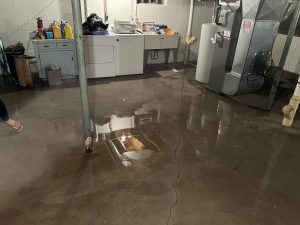
- Water Damage: Floodwaters can damage furniture, appliances, electronics, and other belongings stored in the basement, resulting in costly repairs or replacements. Water damage can also extend to the walls, flooring, and insulation, requiring extensive restoration efforts.
- Mold and Mildew Growth: Excess moisture from flooding creates an ideal breeding ground for mold and mildew, which can spread rapidly and compromise indoor air quality. Mold exposure can trigger allergies, asthma, and other respiratory issues among occupants, posing health risks to their well-being.
- Pest Infestations: Standing water and damp conditions in the basement attract pests such as rodents, insects, and termites, which can cause further damage to the property and pose health risks to occupants.
- Electrical Hazards: Flooding can pose electrical hazards, such as short circuits, electrical fires, or electric shock, particularly if water comes into contact with electrical outlets, appliances, or wiring in the basement.
- Contamination: Floodwaters may contain contaminants such as sewage, chemicals, or hazardous substances, posing health risks to occupants and requiring specialized cleanup and disinfection procedures.
Common Causes of Residential Flooding
Residential flooding can occur due to various factors, including:
- Heavy Rainfall: Intense or prolonged rainfall can overwhelm drainage systems, leading to surface runoff and flooding in low-lying areas, including basements.
- Snowmelt: Rapid snowmelt, particularly during warm weather or sudden temperature fluctuations, can result in excess water runoff that can infiltrate basements and cause flooding.

- Poor Drainage: Inadequate drainage around the home’s foundation, clogged gutters and downspouts, or improper grading can contribute to water pooling near the basement walls, increasing the risk of flooding during heavy rainfall or snowmelt events.
- Sewer Backup: Sewer backups, caused by blockages or overflows in the municipal sewer system, can result in sewage entering basements through floor drains or plumbing fixtures, leading to contamination and health hazards.
- Foundation Cracks: Cracks in the basement walls or floor, often caused by foundation settling, soil movement, or hydrostatic pressure, can provide pathways for water infiltration during periods of heavy precipitation or groundwater saturation.
- Failed Sump Pump: A malfunctioning or inadequate sump pump can fail to remove water from the basement effectively, allowing water levels to rise and causing flooding during storms or periods of high groundwater levels.
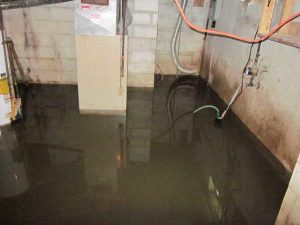
Residential flooding can have devastating consequences for homeowners, from structural damage to health hazards. Basement waterproofing is essential for protecting your home from flooding and water damage and maintaining a safe, healthy living environment for you and your family. By implementing effective waterproofing methods, such as exterior and interior waterproofing, French drain installation, sump pump installation, and crack repair, homeowners can safeguard their basements against moisture intrusion and minimize the risk of flooding. Additionally, proactive measures such as keeping gutters and downspouts clean, improving exterior grading, installing window well covers, and maintaining a functional sump pump can help prevent residential flooding and protect your home from water damage. Remember, prevention is key when it comes to residential flooding—take action now to protect your home and enjoy peace of mind knowing that you’re prepared for whatever nature throws your way.
Contact the Professionals at Ark Basement Services Today! (866) 939-2837

Mike Perry is the esteemed owner of ARK Basement Services, a premier company specializing in basement waterproofing and foundation repair services. Under Mike’s leadership, ARK Basement Services has established itself as a trusted leader in the industry, known for delivering high-quality, reliable solutions to homeowners facing basement and foundation issues. Mike’s commitment to excellence, combined with his extensive knowledge and experience in the field, has been instrumental in building a company that is dedicated to ensuring customer satisfaction and the longevity of their homes. His hands-on approach and dedication to utilizing the latest technologies and methods have set ARK Basement Services apart, making them a go-to provider for those in need of expert basement and foundation services. For more details on Mike Perry’s work and ARK Basement Services, visit their website at https://www.arkbasementservices.com/.