In the realm of home maintenance and improvement, few aspects are as crucial as safeguarding your basement against water intrusion. As the foundation of your home, the basement is vulnerable to various forms of moisture, whether from groundwater, rainwater, or plumbing leaks. One of the most effective ways to protect your basement from water damage is by installing a comprehensive drainage system. In this comprehensive guide, we’ll explore why basement drainage systems are essential, their benefits, the types of drainage systems available, and key considerations for installation.
Understanding the Importance of Basement Drainage Systems
Basements are susceptible to water intrusion due to their below-grade location and direct contact with the surrounding soil. Without proper drainage systems in place, water can seep through cracks, gaps, and porous concrete walls, leading to a host of problems:
- Preventing Mold and Mildew: Excess moisture in the basement creates an ideal environment for mold and mildew growth, compromising indoor air quality and posing health risks to occupants.

- Preserving Structural Integrity: Water infiltration can weaken the foundation walls, floor slab, and structural components of the basement, leading to cracks, bowing walls, and compromised stability.
- Protecting Property and Belongings: Water damage can ruin furniture, electronics, appliances, and other valuable belongings stored in the basement, resulting in costly repairs or replacements.
- Enhancing Livable Space: A dry, waterproofed basement can be transformed into valuable living space, such as a family room, home office, or additional bedroom, increasing the overall usable square footage of the home.
- Increasing Property Value: A well-maintained, waterproofed basement adds significant value to the property and enhances its marketability, attracting potential buyers and increasing resale value.
Benefits of Basement Drainage Systems
Basement drainage systems offer numerous benefits for homeowners seeking to protect their homes from water damage and create a dry, healthy living environment:
- Waterproofing: Basement drainage systems effectively channel water away from the foundation walls and floor, preventing moisture infiltration and reducing the risk of water damage and mold growth.
- Foundation Protection: By diverting water away from the foundation, drainage systems help preserve the structural integrity of the basement and prevent costly foundation repairs or replacements.
- Improved Indoor Air Quality: Eliminating excess moisture in the basement reduces the risk of mold and mildew growth, improving indoor air quality and creating a healthier living environment for occupants.
- Preventive Maintenance: Basement drainage systems serve as a proactive measure to prevent water damage and moisture-related problems before they escalate, saving homeowners time, money, and headaches in the long run.
- Maximized Living Space: With a dry, waterproofed basement, homeowners can maximize the use of their basement space for various purposes, such as storage, recreation, or additional living quarters, enhancing the overall functionality and livability of the home.
Types of Basement Drainage Systems
Several types of basement drainage systems are available, each designed to address specific moisture issues and meet the unique needs of different homes:
- Interior Drainage Systems: Interior drainage systems are installed within the basement perimeter to collect and channel water away from the foundation walls and floor. These systems typically consist of perforated pipes installed along the interior perimeter of the basement floor, surrounded by gravel or drainage aggregate, and connected to a sump pump. The collected water is then pumped out of the basement through a discharge pipe, preventing it from seeping into the basement space.
- Exterior Drainage Systems: Exterior drainage systems are installed outside the foundation walls to intercept and redirect groundwater before it reaches the basement. These systems typically involve excavating around the perimeter of the foundation, installing drainage pipes, and applying waterproofing materials to the exterior surface of the foundation walls. The collected water is then directed away from the foundation through gravity or a drainage slope, preventing it from infiltrating the basement.
- French Drains: French drains, also known as perimeter drains or weeping tile systems, are a type of exterior drainage system designed to collect and divert groundwater away from the foundation. A French drain consists of a perforated pipe surrounded by gravel or drainage aggregate, installed in a trench dug along the perimeter of the foundation. The pipe collects water and channels it away from the foundation to a designated drainage area, preventing it from entering the basement.
- Interior Waterproofing Membranes: Interior waterproofing membranes, also known as vapor barriers or waterproofing paints, are applied to the interior surface of the basement walls to create a moisture-resistant barrier. These membranes help prevent water infiltration through the walls and reduce the risk of moisture-related problems such as mold and mildew growth. Interior waterproofing membranes can be applied as a standalone solution or in conjunction with other drainage systems for added protection.
When installing a basement drainage system, several factors should be considered to ensure optimal performance and effectiveness:
- Assessment of Moisture Issues: Conduct a thorough assessment of the basement to identify existing moisture issues, such as water seepage, dampness, or mold growth. This assessment will help determine the most suitable drainage system and waterproofing measures needed to address the specific moisture problems.
- Professional Consultation: Consult with a qualified waterproofing contractor or basement specialist to assess the condition of the basement and recommend appropriate drainage solutions. A professional assessment can help identify underlying issues and ensure that the chosen drainage system is installed correctly and effectively.

- Proper Sizing and Installation: Ensure that the basement drainage system is properly sized and installed to accommodate the size of the basement, the severity of moisture issues, and the drainage capacity needed to effectively manage water infiltration. Proper installation of the drainage system, including accurate placement of drainage pipes, adequate slope for water flow, and secure connections, is essential for optimal performance and longevity.
- Integration with Other Waterproofing Measures: Basement drainage systems should be integrated with other waterproofing measures, such as exterior waterproofing coatings, interior waterproofing membranes, and sump pump installation, for comprehensive moisture protection. Combining multiple waterproofing strategies can provide a layered defense against water intrusion and enhance the overall effectiveness of the drainage system.
- Maintenance and Monitoring: Regular maintenance and monitoring are essential for ensuring the continued functionality of the basement drainage system. Periodically inspect the system for signs of clogging, damage, or malfunction, and address any issues promptly to prevent water backup and potential damage to the basement.
- Quality Materials and Components: Choose high-quality materials and components for the basement drainage system to ensure durability, reliability, and long-term performance. Select perforated pipes, gravel or drainage aggregate, sump pumps, and other system components from reputable manufacturers known for their quality and reliability in waterproofing applications.
- Compliance with Building Codes: Ensure that the basement drainage system complies with local building codes and regulations governing waterproofing and drainage installations. Obtain necessary permits and approvals from local authorities before proceeding with the installation to avoid potential compliance issues and ensure the safety and integrity of the system.
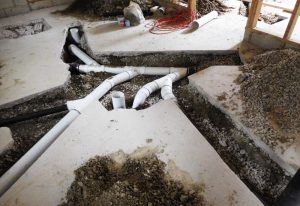
Basement drainage systems play a vital role in protecting homes from water damage and moisture-related problems. By effectively managing groundwater, rainwater runoff, and plumbing leaks, these systems help preserve the structural integrity of the basement, enhance indoor air quality, and create a dry, healthy living environment for occupants.
Whether through interior or exterior drainage systems, French drains, or waterproofing membranes, homeowners have a variety of options for safeguarding their basements against water intrusion. By assessing moisture issues, consulting with professionals, and choosing the right drainage solution for their specific needs, homeowners can enjoy peace of mind knowing that their basements are protected against water damage and moisture-related issues.
In conclusion, investing in a basement drainage system is a proactive step towards protecting your home and ensuring its long-term durability and value. By prioritizing moisture control and implementing effective drainage solutions, homeowners can enjoy a dry, healthy basement environment for years to come.
Contact the Professionals at Ark Basement Services Today! (866) 939-2837

Mike Perry is the esteemed owner of ARK Basement Services, a premier company specializing in basement waterproofing and foundation repair services. Under Mike’s leadership, ARK Basement Services has established itself as a trusted leader in the industry, known for delivering high-quality, reliable solutions to homeowners facing basement and foundation issues. Mike’s commitment to excellence, combined with his extensive knowledge and experience in the field, has been instrumental in building a company that is dedicated to ensuring customer satisfaction and the longevity of their homes. His hands-on approach and dedication to utilizing the latest technologies and methods have set ARK Basement Services apart, making them a go-to provider for those in need of expert basement and foundation services. For more details on Mike Perry’s work and ARK Basement Services, visit their website at https://www.arkbasementservices.com/.