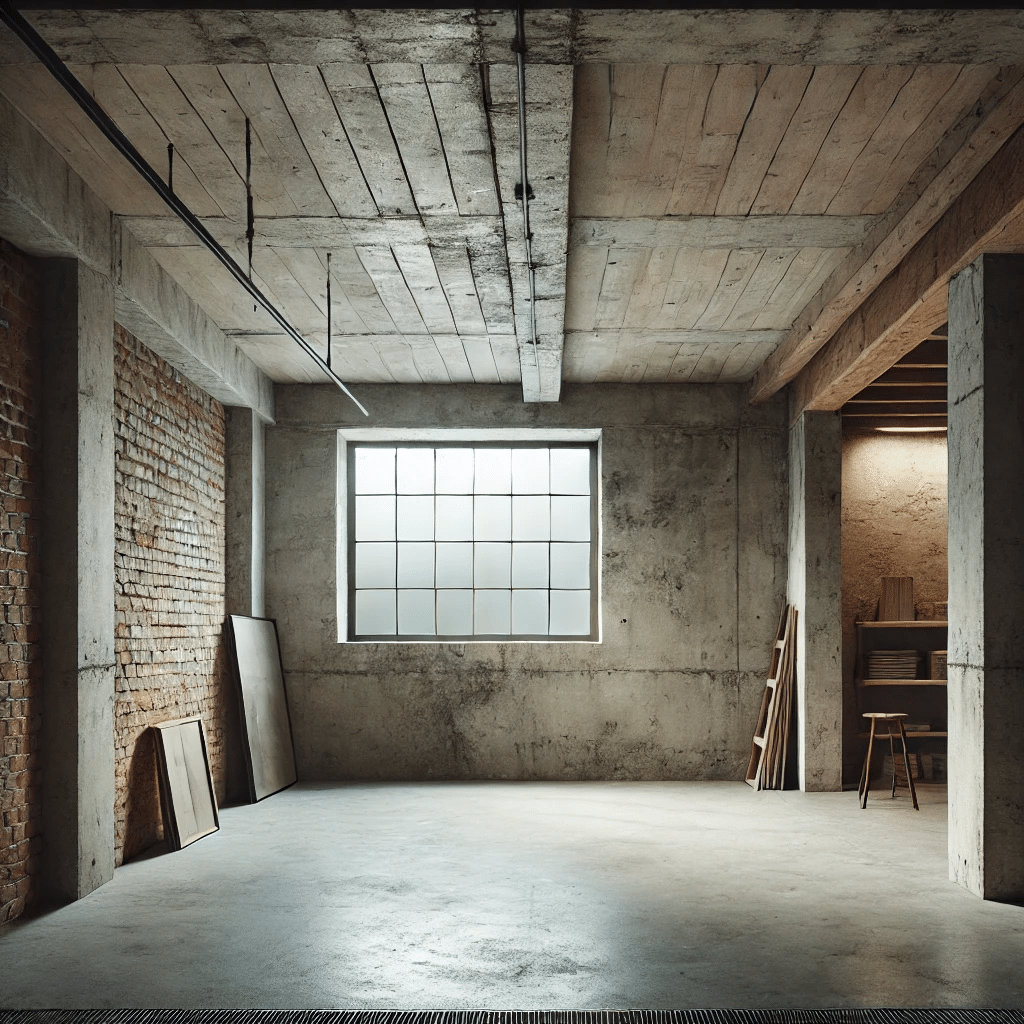
You’re thinking about waterproofing your basement, but you’re unsure about the cost implications. It’s a common concern, and it’s not just about the price tag of the waterproofing method itself. Various factors play into the final cost, such as the size of your basement and the extent of the moisture problem. Any necessary structural repairs and unexpected complications can also add to the expense. So, how much should you be budgeting for this project? Let’s take a closer look at the factors that affect the cost of basement waterproofing.
Key Takeaways
- Basement waterproofing costs vary greatly, with interior methods costing between $600 and $3,000, and exterior methods ranging from $8,000 to $15,000.
- The size of the basement, severity of moisture issues, and condition of the foundation can significantly influence the overall cost.
- Additional expenses can include labor, material costs, unexpected repairs, and potential mold remediation services.
- The choice between professional services and DIY approaches can affect the cost, with professionals providing expertise but also higher costs.
- Geographical location and local regulations may also affect the cost of basement waterproofing.
Understanding Basement Waterproofing
Basement waterproofing is a essential step in home maintenance that you can’t afford to overlook. If you neglect it, you could face serious consequences like structural damage, mold growth, and decreased property value.
It’s a preventative measure designed to protect your home from water damage, primarily in areas that are prone to flooding or have high soil moisture levels.
Waterproofing your basement isn’t just about preventing water from entering your home. It’s also about managing any water that does find its way in. This involves directing water to a sump pump where it’s then pumped out and away from your home’s foundation.
The cost of waterproofing a basement can vary greatly depending on several factors such as the size of your basement, the extent of the water problem, and the method used.
However, you shouldn’t let cost deter you. Remember, the cost of fixing water damage far exceeds the cost of preventive waterproofing.
In the end, it’s important to remember that waterproofing your basement isn’t a luxury, it’s a necessity. So, don’t hesitate to invest in this essential home maintenance task.
Types of Basement Waterproofing Methods
Delving into the various methods for basement waterproofing, it’s crucial to understand that not all methods are created equal. Depending on your home’s specific needs, some techniques may be more effective and suitable than others.
The first method is interior waterproofing, also known as water control. This method doesn’t stop water from entering your basement, but instead manages the water that does come in, directing it to a sump pump to be pumped out of your home.
It’s typically the least intrusive and most cost-effective method, but it’s not considered a true waterproofing solution.
Then there’s exterior waterproofing, which involves excavating around your home to the full depth of your foundation walls and installing a waterproof coating or membrane. This method effectively stops water from making its way into your basement, but it’s more expensive and disruptive than interior methods.
Lastly, you have the drainage system method. This involves installing a series of drains around your property to redirect water away from your home.
It’s an effective method but can be quite costly and time-consuming to install.
Cost Factors for Basement Waterproofing
Understanding the cost factors for basement waterproofing is essential when planning for this home improvement project. There are several variables that can considerably impact the total cost.
First, the size of your basement directly influences the cost of waterproofing. Larger basements require more materials and labor, increasing the overall price. If your basement has a complex layout with multiple rooms or corners, that too can raise the cost due to increased labor and materials needed.
Next, the severity of the moisture problem plays a vital role. Minor leaks might be addressed with simple sealants or minor drainage improvements. However, severe water intrusion might require extensive solutions like the installation of interior drain tiles or exterior waterproofing, which can be costlier.
The condition of your basement’s foundation is another important factor. If there are noticeable cracks or structural issues, these will need to be repaired before waterproofing, adding to the total cost.
Lastly, the type of waterproofing method you choose will also affect the price. There are several methods available, each with its own cost implications.
Thus, it’s important to carefully consider these factors to effectively budget for your basement waterproofing project.
Average Costs of Waterproofing Methods
Before we plunge into specific costs, it’s crucial to know that the average cost of basement waterproofing can vary greatly based on the method used.
The simplest and most common method, interior waterproofing, typically costs between $600 and $3,000. This process involves sealing your basement’s interior walls and floors to prevent water from seeping in.
Exterior waterproofing is a more thorough and expensive method, often costing between $8,000 and $15,000. This approach entails excavating around your home’s foundation to install a waterproof barrier.
Drainage solutions, another popular method, can range from $2,000 to $6,000. These systems help redirect water away from your foundation to prevent buildup and potential leaks.
The Impact of Basement Size
When it comes to basement waterproofing, you shouldn’t overlook the influence of your basement’s size.
The square footage of your basement directly impacts the cost per square foot, and consequently, the overall expense.
It’s important to accurately measure the basement area to understand the potential costs and plan your budget accordingly.
Assessing Basement Square Footage
Basement size plays a critical role in determining the overall cost of waterproofing. It’s not just about the surface area of the walls that need to be coated or the length of the perimeter that needs a drainage system.
The height and shape of the basement, as well as the number of corners and edges, also contribute to the complexity and, consequently, the cost of the job.
Start by taking accurate measurements of your basement. This shouldn’t be a rough estimate or a guess. Use a measuring tape to get the length, width, and height of the space.
Don’t forget to measure the size of any recessed areas or protrusions, as they’ll also need to be waterproofed.
Next, consider the layout of your basement. Is it a simple rectangle, or does it have alcoves, partitions, or other architectural features?
More complex designs will require more time and materials to waterproof effectively.
Remember that waterproofing is an investment in your home. It’s not only about preventing water damage and mold, but also about maintaining the integrity of your home’s structure.
It’s a task that requires precision, and the size and layout of your basement are key factors in determining its cost.
Cost Per Square Foot
You might be wondering about the cost per square foot for basement waterproofing. It’s a valid question, and it’s essential to understand that the cost can vary considerably. This fluctuation depends on a variety of factors, including the degree of waterproofing your basement requires, the materials used, and even your geographical location.
Waterproofing a basement is generally priced by the square foot. On average, you can expect to pay between $3 to $10 per square foot for interior waterproofing. That’s a broad range, but it reflects the different methods and materials that might be used.
Exterior basement waterproofing, on the other hand, is typically more expensive, ranging from $5 to $15 per square foot. This cost difference is due to the more extensive labor and materials required for exterior work, which often involves excavating around your home’s foundation.
Remember that these figures are just averages, and actual costs can vary. It’s always a good idea to get several quotes from reputable contractors in your area to make sure you’re getting a fair price.
Nonetheless, understanding the cost per square foot is a great starting point in budgeting for your basement waterproofing project.
Size Influences Waterproofing Expense
Delving into the impact of basement size on waterproofing costs, it’s clear that size definitely matters. This doesn’t just mean the overall square footage, but also the complexity of the space, which can greatly influence your final bill.
You might be wondering why size plays such an essential role. Let’s break it down:
- Larger basements require more materials: It’s simple math—more square footage means more waterproofing materials are needed, which adds up in cost.
- More labor-intensive: A larger space will take longer to waterproof, meaning more hours of labor you’ll have to pay for.
- More complex layouts: Basements with irregular shapes or additional features like drains or built-in storage can be trickier to waterproof, increasing the cost.
- Potential for additional problems: Larger basements may have more areas prone to leaks or water damage, which could require extra attention and expense.
Additional Costs to Consider
As you explore the cost of basement waterproofing, don’t overlook the additional expenses.
Labor and material costs can considerably impact your budget.
Also, consider the potential for unexpected expenses that may arise during the project.
Labor and Material Costs
When considering basement waterproofing, understanding the labor and material costs is a crucial aspect.
The cost of labor can vary greatly based on the complexity of the project and the expertise of the contractor. Experienced professionals may charge more, but they’re also more likely to get the job done right the first time, potentially saving you money in the long run.
Material costs also fluctuate depending on the type of waterproofing method chosen.
Here’s a brief overview of some typical material costs:
- Interior Water Drainage Systems: These systems can cost anywhere from $2,000 to $6,000, depending on the size of your basement.
- Exterior Waterproofing: This method is more expensive, often costing between $8,000 and $15,000.
- Sealants and Coatings: These are relatively inexpensive, typically costing a few hundred dollars.
- Sump Pump Installation: The cost to install a sump pump can range from $1,000 to $3,000.
Unexpected Expense Factors
In light of understanding labor and material costs, it’s equally important to anticipate unexpected expenses that can impact the overall budget of your basement waterproofing project.
These costs can fluctuate greatly, depending on the unique characteristics of your property, and can potentially disrupt your budgeting plans if not factored in initially.
One such unexpected expense could be related to the need for additional repairs. For instance, if your basement has severe structural issues, like bowing walls or considerable cracks, you’ll need to fix these problems before the waterproofing process can begin.
Similarly, removal of mold or mildew is another potential cost. If these issues are discovered, professional remediation is required, which can be costly.
Additionally, if your basement has outdated or faulty plumbing, electric, or HVAC systems, these may need upgrading or replacing, adding to your overall costs.
Also, unforeseen obstacles like hard-to-reach areas or complex layouts can require more labor, thereby driving up costs.
Lastly, don’t overlook the potential need for permits. Depending on your locality, you may need to secure permits for certain aspects of the work.
While these costs aren’t usually high, they’re necessary and should be included in your budget.
Hiring a Professional Versus DIY
Often, homeowners find themselves torn between hiring a professional for basement waterproofing or taking on the project themselves. Both options come with their own set of considerations.
Choosing to hire a professional guarantees that the job is done correctly and efficiently. Professionals have the experience and knowledge to handle unexpected issues that may arise. They also have access to specialized equipment and materials that may not be readily available to the average homeowner.
However, this convenience and expertise come at a price, which can sometimes be substantially higher than a DIY approach.
On the other hand, doing it yourself can be less expensive, but it can also be more time-consuming and potentially risky. Here are some things to keep in mind:
- You’ll need to research the right techniques and materials
- Mistakes can lead to more extensive, costly damage in the future
- It may take longer to complete the project
- You might miss signs of more severe issues that a professional would catch
Ultimately, it’s a balance between cost, time, and quality. Consider your own skills, budget, and the complexity of the project before making a decision.
How to Budget for Basement Waterproofing
Planning your budget for basement waterproofing requires a careful and realistic assessment of several factors. You need to evaluate the extent of the problem, your preferred solution, and the costs associated with labor and materials.
| Factor | Evaluation | Estimated Cost |
|---|---|---|
| Problem Extent | Mild dampness to severe flooding | $500 – $10,000 |
| Solution | DIY methods to professional services | $20 – $10,000 |
| Labor & Material | Depends on method and extent of problem | $300 – $10,000 |
Start by assessing the extent of the problem. Mild dampness might require less expensive solutions like sealants or dehumidifiers, while severe flooding could necessitate a drainage system installation.
Next, choose your solution. DIY methods can be cost-effective, but they aren’t always suitable for severe issues. If you’re unsure, consult a professional.
Lastly, evaluate labor and material costs. These vary based on the method and the extent of your water problem. Always factor in potential additional costs like unexpected repairs or maintenance.
Frequently Asked Questions
Does Homeowners Insurance Cover Basement Waterproofing?
Typically, your homeowner’s insurance doesn’t cover basement waterproofing.
It’s generally seen as a preventive measure, not a repair. Insurance usually steps in when damage is sudden and accidental, not predictable or due to lack of maintenance.
You’d be wise to check your policy or consult with your agent to be sure, but don’t count on insurance to foot the bill for this type of home improvement project.
What Are the Signs of Needing Basement Waterproofing?
You’ll know you need basement waterproofing when you spot certain signs.
If there’s a musty odor, mold or mildew, efflorescence or white chalky substance, wet spots, or water seepage after a heavy rain, it’s time to contemplate waterproofing.
Don’t ignore peeling paint, rust on appliances or fixtures, and cracks in the floor or walls.
These signs indicate a moisture problem that could lead to significant damage if not addressed.
How Long Does the Waterproofing Process Usually Take?
The duration of a basement waterproofing process largely depends on the method used and the severity of the problem.
Typically, it can take anywhere from a couple of days to a week. For more complex cases, it might extend into several weeks.
Are There Any Negative Impacts on the House Structure From Waterproofing?
Waterproofing generally doesn’t have negative impacts on your house structure.
In fact, it’s designed to protect your home from potential damage caused by water.
However, if not done correctly, it could lead to issues like incorrect water direction or trapped moisture.
That’s why it’s essential for you to hire a professional who knows what they’re doing.
Is There a Warranty or Guarantee for Basement Waterproofing Services?
Yes, most reputable waterproofing companies offer warranties or guarantees for their services.
The specifics vary, so it’s important you read the fine print. Some warranties cover labor and materials, others only the materials.
Sometimes, the warranty is transferrable if you sell your home. Always inquire about the warranty before signing a contract.
It’ll give you peace of mind knowing you’re protected should anything go wrong with the waterproofing work.
Conclusion
Wrapping up, it’s clear that basement waterproofing costs vary greatly. They depend on factors like your chosen method, basement size, and moisture issues. Expect to pay between $600-$3,000 for interior work, or $8,000-$15,000 for exterior solutions. Don’t forget, additional expenses can pop up, so plan accordingly. Whether you’re hiring a pro or going DIY, understand your needs and budget well to guarantee your basement’s long-term protection against water damage.

Mike Perry is the esteemed owner of ARK Basement Services, a premier company specializing in basement waterproofing and foundation repair services. Under Mike’s leadership, ARK Basement Services has established itself as a trusted leader in the industry, known for delivering high-quality, reliable solutions to homeowners facing basement and foundation issues. Mike’s commitment to excellence, combined with his extensive knowledge and experience in the field, has been instrumental in building a company that is dedicated to ensuring customer satisfaction and the longevity of their homes. His hands-on approach and dedication to utilizing the latest technologies and methods have set ARK Basement Services apart, making them a go-to provider for those in need of expert basement and foundation services. For more details on Mike Perry’s work and ARK Basement Services, visit their website at https://www.arkbasementservices.com/.