Unlocking the Secrets of Vapor Barriers: A Comprehensive Guide
In the realm of construction and building science, vapor barriers play a crucial role in maintaining the integrity, durability, and comfort of structures. Whether you’re constructing a new building or renovating an existing one, understanding the principles and applications of vapor barriersis essential. In this comprehensive guide, we’ll explore what vapor barriers are, how they work, their importance in building construction, different types of vapor barriers, installation methods, and best practices for maximizing their effectiveness.
What are Vapor Barriers?
At its core, a vapor barrier is a material designed to impede or restrict the movement of water vapor through building assemblies. In simple terms, it acts as a barrier that prevents moisture from migrating from one side of the assembly to the other. Vapor barriers are commonly used in various building components, including walls, floors, roofs, and foundations, to control moisture diffusion and prevent moisture-related problems such as condensation, mold growth, and wood rot.
How Do Vapor Barriers Work?
To understand how vapor barriers work, it’s essential to grasp the concept of vapor diffusion, which is the movement of water vapor from areas of high concentration to areas of low concentration. In building assemblies, water vapor can move through materials such as wood, concrete, insulation, and drywall via diffusion, driven by differences in temperature and humidity levels.
A vapor barrier works by slowing down or blocking the movement of water vapor, thereby reducing the risk of moisture accumulation within the building assembly. By creating a barrier that limits vapor diffusion, vapor barriers help maintain stable indoor humidity levels, prevent condensation on building surfaces, and protect against moisture-related damage.
Importance of Vapor Barriers in Building Construction
Vapor barriers play a crucial role in building construction for several reasons:
Moisture Control: Vapor barriers help control moisture diffusion through building assemblies, preventing moisture buildup and related problems such as mold growth, decay, and corrosion.
Energy Efficiency: By reducing moisture infiltration and condensation, vapor barriers can improve the energy efficiency of buildings by minimizing heat loss or gain through the building envelope. This can result in lower heating and cooling costs and increased comfort for occupants.
Durability and Longevity: Proper moisture management is essential for preserving the structural integrity and longevity of building materials. Vapor barriers help protect against moisture-related damage, such as rot, corrosion, and degradation, extending the lifespan of the building.
Indoor Air Quality: Controlling moisture levels in buildings is essential for maintaining…Indoor Air Quality (Continued): …healthy indoor air quality. Excess moisture can create ideal conditions for mold and mildew growth, leading to indoor air pollution and respiratory issues for occupants. Vapor barriers help prevent moisture-related problems, contributing to a healthier living environment.
Comfort: Proper moisture control is essential for maintaining a comfortable indoor environment. Excessive humidity levels can lead to discomfort, while condensation on building surfaces can create cold spots and drafts. Vapor barriers help regulate humidity levels and prevent condensation, enhancing overall comfort for building occupants.
Types of Vapor Barriers
Vapor barriers come in various materials and forms, each with its own characteristics, advantages, and applications:
Polyethylene Plastic Sheeting: Polyethylene plastic sheeting is one of the most common and cost-effective vapor barrier materials. It is available in rolls or sheets of various thicknesses and can be easily installed by stapling or taping to building surfaces. Polyethylene plastic sheeting is impermeable to water vapor and provides an effective barrier against moisture diffusion.
Foil-Faced Insulation: Foil-faced insulation, also known as reflective insulation, features a layer of aluminum foil laminated to a substrate such as foam board or fiberglass batts. The foil facing acts as a vapor barrier, reflecting radiant heat and preventing moisture penetration. Foil-faced insulation is commonly used in walls, roofs, and crawlspaces to provide both thermal insulation and vapor barrier properties.
Bituminous Membranes: Bituminous membranes, also known as asphaltic membranes or tar paper, are waterproofing materials commonly used in roofing and foundation applications. These membranes consist of bitumen (asphalt) reinforced with fibers or mats and are installed as sheets or rolls. Bituminous membranes provide excellent water resistance and can serve as vapor barriers when properly installed.
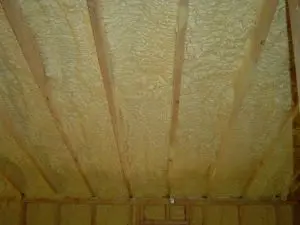
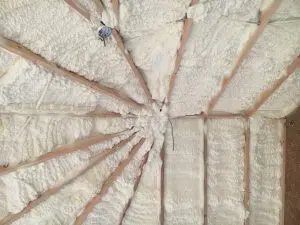
Spray Foam Insulation: Spray foam insulation is a versatile insulation material that can also function as a vapor barrier when applied in sufficient thickness. Closed-cell spray foam insulation, in particular, has low permeability to water vapor and can effectively block moisture diffusion. Spray foam insulation is commonly used in walls, roofs, and crawlspaces to provide both insulation and moisture control.
Rigid Foam Insulation: Rigid foam insulation boards, such as expanded polystyrene (EPS), extruded polystyrene (XPS), and polyisocyanurate (polyiso), can serve as vapor barriers when installed with sealed joints and edges. These rigid foam boards have low permeability to water vapor and provide excellent thermal insulation properties. Rigid foam insulation is commonly used in walls, roofs, and foundations to enhance energy efficiency and moisture control.
Installation Methods for Vapor Barriers
Proper installation is crucial for the effectiveness of vapor barriers. Here are some key considerations for installing vapor barriers:
Surface Preparation: Ensure that the surfaces where the vapor barrier will be installed are clean, dry, and free of dust, debris, and contaminants. Proper surface preparation is essential for promoting adhesion and preventing air pockets or gaps that could compromise the integrity of the vapor barrier.
Sealing Joints and Penetrations: Pay special attention to sealing joints, seams, and penetrations in the vapor barrier to prevent air and moisture infiltration. Use compatible sealants, tapes, or adhesives to create a continuous barrier and ensure tight seals around pipes, ducts, electrical boxes, and other openings.
Overlap and Fastening: When installing vapor barrier materials in multiple layers or sections, overlap the edges by at least 6 inches and secure them with adhesive tape, staples, or mechanical fasteners. Proper overlap and fastening help create a continuous barrier and prevent moisture intrusion at seams and joints.
Provide Adequate Ventilation: In some cases, such as in enclosed spaces or areas with high humidity levels, providing adequate ventilation may be necessary to prevent moisture buildup and condensation behind the vapor barrier. Install vents, fans, or dehumidifiers as needed to maintain optimal indoor air quality and moisture control.
Follow Manufacturer’s Recommendations: Always follow the manufacturer’s recommendations and installation guidelines when installing vapor barrier materials. This ensures proper product performance, compatibility, and warranty coverage.
Best Practices for Maximizing Vapor Barrier Effectiveness
To maximize the effectiveness of vapor barriers and ensure long-term moisture control, consider the following best practices:
Perform a Moisture Assessment: Before installing a vapor barrier, conduct a moisture assessment of the building envelope to identify potential sources of moisture infiltration, such as leaky pipes, condensation, or poor drainage. Address any underlying moisture issues before installing the vapor barrier to prevent future problems.
Choose the Right Vapor Barrier Material: Select vapor barrier materials that are appropriate for the specific application, climate conditions, and building requirements. Consider factors such as permeability, durability, compatibility with other building materials, and code compliance when choosing vapor barrier materials.
Integrate Vapor Barrier with Other Building Components: Ensure that the vapor barrier is properly integrated with other building components, such as insulation, air barriers, and waterproofing membranes. Coordinate installation details and transitions between different building elements to create a seamless and effective moisture control system.
Monitor and Maintain the Vapor Barrier: Regularly inspect the vapor barrier for signs of damage, degradation, or deterioration, such as tears, punctures, or water stains. Address any issues promptly to prevent moisture infiltration and ensure the continued effectiveness of the vapor barrier.
Educate Building Occupants: Educate building occupants about the importance of moisture control and the role of vapor barriers in maintaining a healthy and comfortable indoor environment. Encourage occupants to report any signs of moisture problems or water damage promptly for timely resolution.
In conclusion, vapor barriers may seem like simple components of building assemblies, but their impact on the overall performance and longevity of structures cannot be overstated. Whether you’re constructing a new building or renovating an existing one, be sure to give due consideration to vapor barriers and their role in moisture control. By doing so, you’ll help safeguard your investment and ensure the long-term durability and comfort of your home or building.
Contact the Professionals at Ark Basement ServicesToday!(866) 939-2837
Mike Perry is the esteemed owner of ARK Basement Services, a premier company specializing in basement waterproofing and foundation repair services. Under Mike’s leadership, ARK Basement Services has established itself as a trusted leader in the industry, known for delivering high-quality, reliable solutions to homeowners facing basement and foundation issues. Mike’s commitment to excellence, combined with his extensive knowledge and experience in the field, has been instrumental in building a company that is dedicated to ensuring customer satisfaction and the longevity of their homes. His hands-on approach and dedication to utilizing the latest technologies and methods have set ARK Basement Services apart, making them a go-to provider for those in need of expert basement and foundation services. For more details on Mike Perry’s work and ARK Basement Services, visit their website at https://www.arkbasementservices.com/.
To provide the best experiences, we use technologies like cookies to store and/or access device information. Consenting to these technologies will allow us to process data such as browsing behavior or unique IDs on this site. Not consenting or withdrawing consent, may adversely affect certain features and functions.
Functional Always active
The technical storage or access is strictly necessary for the legitimate purpose of enabling the use of a specific service explicitly requested by the subscriber or user, or for the sole purpose of carrying out the transmission of a communication over an electronic communications network.
Preferences
The technical storage or access is necessary for the legitimate purpose of storing preferences that are not requested by the subscriber or user.
Statistics
The technical storage or access that is used exclusively for statistical purposes.The technical storage or access that is used exclusively for anonymous statistical purposes. Without a subpoena, voluntary compliance on the part of your Internet Service Provider, or additional records from a third party, information stored or retrieved for this purpose alone cannot usually be used to identify you.
Marketing
The technical storage or access is required to create user profiles to send advertising, or to track the user on a website or across several websites for similar marketing purposes.