Basement mold is more than an unsightly problem—it can signal significant issues in your home’s infrastructure and pose health risks to those living in the house. Understanding why mold grows in basements, recognizing its dangers, and learning how to prevent it are essential for maintaining a safe, healthy living environment.
Why Basements Are Prone to Mold Growth

Mold needs three main elements to thrive: moisture, organic material, and the right temperature. Basements often provide the perfect conditions:
- Moisture: Water leaks, high humidity, and condensation are common in basements due to their location below ground level.
- Organic Material: Items like wood, drywall, and cardboard boxes stored in basements provide a food source for mold.
- Temperature: Most basements are kept at temperatures conducive to mold growth, generally between 60-80°F (15-27°C).
The combination of these factors makes basements particularly vulnerable to mold infestations, especially after heavy rainfall or during seasons with high humidity.
Common Causes of Mold in Basements
Understanding the common causes of mold can help homeowners take preventive action:
- Leaks and Water Intrusion: Cracks in the foundation or basement walls allow water to seep in. Poorly maintained window wells can also contribute to water entering the basement.
- Poor Ventilation: Limited airflow can trap moisture, encouraging mold growth. Many basements lack proper ventilation, causing stale, damp air to linger.
- High Humidity Levels: In humid climates or during rainy seasons, moisture in the air can condense on cool basement surfaces. Humidity levels above 60% provide ideal conditions for mold.
- Flooding: Whether from a burst pipe, severe weather, or other factors, flooding can lead to moisture buildup if not addressed promptly and thoroughly.
The Dangers of Basement Mold
Mold can pose serious risks, both to the home and to the health of its inhabitants:
- Health Hazards: Mold exposure can cause or exacerbate respiratory issues, allergies, and other health concerns. People with asthma, weakened immune systems, or mold sensitivities are especially vulnerable.
- Structural Damage: Over time, mold can weaken wood, drywall, and other structural materials, leading to more significant repair needs.
- Property Damage: Mold can ruin items stored in the basement, such as clothing, furniture, and important documents.
Preventative Measures for Mold Growth
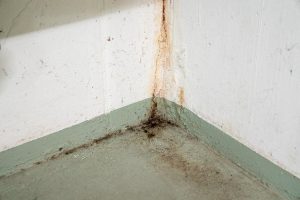
The best way to combat basement mold is to prevent it from developing in the first place. Here’s how:
1. Manage Moisture Levels:
- Waterproofing: Professional basement waterproofing can seal cracks and reinforce walls against water intrusion.
- Sump Pumps and Drainage: Installing a sump pump and ensuring that exterior drainage systems, like French drains, are in place will help redirect water away from the foundation.
- Dehumidifiers: Use a dehumidifier to maintain indoor humidity levels below 50%. This device is especially beneficial in damp climates or during humid seasons.
2. Improve Ventilation:
- Air Circulation: Promote better airflow by using fans or installing vents. This helps reduce stagnant air and lowers the risk of condensation.
- HVAC Maintenance: Keep your heating and cooling systems in good condition. They play a role in regulating humidity and can prevent mold spores from spreading.
3. Regular Inspections:
- Foundation and Walls: Check for any new or worsening cracks, as these can be signs of water intrusion.
- Plumbing: Inspect pipes for leaks or drips, as undetected water issues can foster mold growth over time.
- Window Wells: Ensure that window wells are clear of debris and that drains are functioning properly.
4. Seal Organic Materials:
- Storage Solutions: Avoid storing items directly on the basement floor. Use plastic bins instead of cardboard boxes, which mold can easily infiltrate.
- Insulated Walls: If you have a finished basement, ensure that wall insulation includes a vapor barrier to reduce moisture buildup.
Mold Remediation: When Prevention Isn’t Enough
If mold has already taken hold in your basement, it’s crucial to act fast:
- Professional Assessment: Hire a mold remediation specialist to assess the extent of the problem. Professionals have the tools and expertise to identify hidden mold and evaluate structural risks.
- Proper Removal: While small amounts of mold can sometimes be cleaned using DIY solutions like bleach, larger infestations require professional-grade treatments to prevent regrowth and ensure thorough removal.
- Address Underlying Causes: After remediation, it’s essential to fix any issues that led to the mold, such as water leaks or high humidity, to avoid recurrence.
The Role of Professional Services
While some preventative measures and minor cleanup tasks can be handled by homeowners, professional services offer a more comprehensive approach to mold prevention and management:
- Waterproofing Services: Companies like ARK Basement Services provide tailored solutions, including interior and exterior waterproofing, sump pump installation, and drainage system maintenance.
- Dehumidification Solutions: Advanced systems provided by professionals can offer better control over indoor humidity levels compared to standard dehumidifiers.
- Expert Inspections: Periodic inspections by experts can catch early signs of potential mold issues before they escalate into serious problems.
How to Choose the Right Service Provider
If you decide to seek professional help for basement mold prevention or remediation, consider these factors when choosing a company:
- Experience and Expertise: Select a company with a proven track record in mold prevention, waterproofing, and remediation.
- Reviews and Testimonials: Look for feedback from previous clients to gauge the quality of service.
- Comprehensive Solutions: Choose a provider that can offer a range of services, from waterproofing and mold removal to long-term preventive solutions.
- Guarantees: A trustworthy company should stand by their work with warranties or guarantees that offer peace of mind.
Basement mold can develop from a variety of moisture sources and cause significant health and structural issues. Proactively managing humidity levels, ensuring proper ventilation, and employing waterproofing techniques are key to keeping your basement mold-free. When problems arise, turning to professionals like ARK Basement Services can make all the difference, offering reliable, long-term solutions to protect your home and family from the damaging effects of mold.
Taking steps now to prevent basement mold will save time, money, and stress in the future. With a proactive approach and expert guidance, your basement can remain a safe, dry, and mold-free space year-round.

Mike Perry is the esteemed owner of ARK Basement Services, a premier company specializing in basement waterproofing and foundation repair services. Under Mike’s leadership, ARK Basement Services has established itself as a trusted leader in the industry, known for delivering high-quality, reliable solutions to homeowners facing basement and foundation issues. Mike’s commitment to excellence, combined with his extensive knowledge and experience in the field, has been instrumental in building a company that is dedicated to ensuring customer satisfaction and the longevity of their homes. His hands-on approach and dedication to utilizing the latest technologies and methods have set ARK Basement Services apart, making them a go-to provider for those in need of expert basement and foundation services. For more details on Mike Perry’s work and ARK Basement Services, visit their website at https://www.arkbasementservices.com/.