A well-designed basement drainage system is essential to keep your basement dry and prevent water damage. Without proper drainage, water can accumulate and lead to mold growth, structural damage, and poor indoor air quality. This comprehensive guide will explore various basement drainage systems, their installation processes, and how to maintain them for optimal performance.
Understanding Basement Drainage Problems
Basements are susceptible to water problems due to their below-ground location. Water can enter a basement from various sources, including rainwater, groundwater, and plumbing leaks. Identifying the source of the water problem is the first step in choosing the right drainage system.
Common Signs of Drainage Issues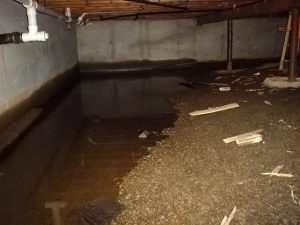
Early detection of drainage problems can prevent extensive damage. Look for the following signs:
- Water Stains: Dark patches or water stains on walls and floors.
- Damp or Musty Odors: Persistent damp smell indicating moisture issues.
- Mold and Mildew: Visible mold growth or mildew.
- Efflorescence: White, powdery substance on walls.
- Standing Water: Pools of water on the basement floor.
Types of Basement Drainage Systems
There are several effective basement drainage systems to consider, each with its unique benefits and installation requirements:
- Interior Drainage Systems
- French Drains: A French drain is a trench filled with gravel and a perforated pipe that redirects water away from the basement. It is installed along the perimeter of the basement floor and connected to a sump pump.
- Sump Pumps: A sump pump collects water from the interior drainage system and pumps it out of the basement to a safe location away from the foundation.
- Exterior Drainage Systems
- Footing Drains: These are installed around the exterior perimeter of the foundation at the footing level. Footing drains collect water before it can enter the basement and direct it away from the foundation.
- Surface Drainage Systems: Grading the landscape to slope away from the house and installing downspout extensions help direct surface water away from the foundation.
- Combination Systems
- A combination of interior and exterior drainage systems provides comprehensive protection against water intrusion. This approach is particularly effective in areas with high water tables or frequent heavy rainfall.
Step-by-Step Installation of a French Drain
Installing a French drain is a common and effective method for managing basement water problems. Here is a step-by-step guide:
- Planning and Preparation
- Assess the basement for water entry points.
- Determine the best location for the French drain and sump pump.
- Excavation
- Excavate a trench around the perimeter of the basement floor.
- Ensure the trench is deep enough to accommodate the gravel and perforated pipe.
- Installing the Pipe
- Place a layer of gravel at the bottom of the trench.
- Lay the perforated pipe on top of the gravel, ensuring the perforations face down.
- Covering the Pipe
- Cover the pipe with more gravel.
- Install a fabric filter over the gravel to prevent soil from clogging the pipe.
- Connecting to a Sump Pump
- Connect the French drain to a sump pump located in a sump pit.
- Ensure the sump pump discharges water to a safe location away from the foundation.
- Finishing Touches
- Cover the trench with concrete to restore the basement floor.
Maintaining Basement Drainage Systems
Regular maintenance is crucial to ensure the longevity and effectiveness of your drainage system. Key maintenance tasks include: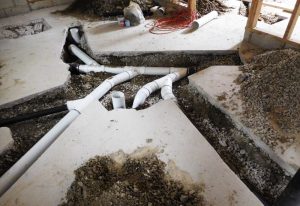
- Inspecting and Cleaning Drains: Regularly check and clean interior and exterior drains to prevent blockages.
- Testing Sump Pumps: Periodically test the sump pump to ensure it functions correctly. Consider installing a battery backup system.
- Checking for Signs of Damage: Inspect the basement and drainage system for any signs of damage or wear and address them promptly.
A properly installed and maintained basement drainage system is essential for preventing water problems and maintaining a dry, healthy living space. By understanding the different types of drainage systems, their installation processes, and how to maintain them, you can protect your home from water damage and ensure a comfortable basement environment.
Contact the Professionals at Ark Basement Services Today! (866) 939-2837

Mike Perry is the esteemed owner of ARK Basement Services, a premier company specializing in basement waterproofing and foundation repair services. Under Mike’s leadership, ARK Basement Services has established itself as a trusted leader in the industry, known for delivering high-quality, reliable solutions to homeowners facing basement and foundation issues. Mike’s commitment to excellence, combined with his extensive knowledge and experience in the field, has been instrumental in building a company that is dedicated to ensuring customer satisfaction and the longevity of their homes. His hands-on approach and dedication to utilizing the latest technologies and methods have set ARK Basement Services apart, making them a go-to provider for those in need of expert basement and foundation services. For more details on Mike Perry’s work and ARK Basement Services, visit their website at https://www.arkbasementservices.com/.