Crawlspace waterproofing is a crucial aspect of maintaining a healthy and safe home. The crawlspace, often located beneath the main living area, is prone to moisture problems due to its proximity to the ground. Water and humidity can easily infiltrate this space, leading to a host of issues such as mold growth, wood rot, pest infestations, and poor indoor air quality. Neglecting crawlspace waterproofing can result in significant damage to the home’s structure and negatively impact the health of its occupants.
In this article, we’ll explore the essentials of crawlspace waterproofing, including how to identify moisture problems, the benefits of encapsulation, and the various solutions available to keep your crawlspace dry and your home healthy.
Identifying Crawlspace Water Problems
Before implementing any waterproofing solutions, it’s important to accurately identify the water problems in your crawlspace. Common signs of moisture issues include:
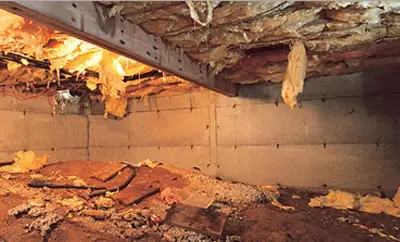
- Visible Water or Dampness The most obvious sign of water problems in a crawlspace is the presence of standing water, damp spots, or condensation on surfaces. This could be due to groundwater seepage, poor drainage, or plumbing leaks.
- Mold and Mildew Mold and mildew thrive in damp environments, and their presence in the crawlspace is a clear indicator of moisture issues. Mold not only damages the materials it grows on but also releases spores that can negatively affect indoor air quality and cause health problems.
- Musty Odors A musty smell emanating from the crawlspace often indicates mold growth or excessive moisture. Even if water is not visibly present, persistent odors are a warning sign of hidden moisture issues.
- Wood Rot Crawlspaces with high moisture levels are prone to wood rot, which can compromise the structural integrity of the home. This is particularly concerning if the wooden beams or joists that support the home are affected.
- Pest Infestations Damp crawlspaces attract pests such as termites, rodents, and insects, which thrive in moist environments. These pests can cause further damage to the structure and create additional health risks.
Once moisture problems are identified, it’s essential to take action quickly to prevent further damage and protect the health of the home’s occupants.
Crawlspace Encapsulation
One of the most effective ways to waterproof a crawlspace is through encapsulation. Crawlspace encapsulation involves sealing off the entire crawlspace from moisture and external elements by installing a vapor barrier on the walls and floor, and sometimes insulating the space. This process not only keeps water out but also helps regulate humidity levels and improve energy efficiency.
- Benefits of Encapsulation Crawlspace encapsulation offers numerous benefits for homeowners, including:
- Moisture Control: By sealing the crawlspace, encapsulation prevents moisture from entering, reducing the risk of mold growth, wood rot, and pest infestations.
- Improved Indoor Air Quality: A dry crawlspace contributes to better indoor air quality by reducing the presence of mold spores and other allergens.
- Energy Efficiency: Encapsulating the crawlspace helps regulate temperature and humidity, which can reduce heating and cooling costs.
- Increased Home Value: A well-maintained, dry crawlspace can increase the value of a home, as it indicates that the property is in good condition and less prone to moisture-related issues.
- Step-by-Step Encapsulation Process The encapsulation process typically involves the following steps:
- Preparation: The first step in crawlspace encapsulation is to address any existing water problems, such as repairing plumbing leaks or installing drainage systems to prevent water from entering the space.
- Installing a Vapor Barrier: A heavy-duty vapor barrier, usually made of polyethylene, is installed on the crawlspace floor and walls. The barrier is carefully sealed to prevent any gaps where moisture could enter.
- Sealing Vents and Gaps: Any vents, gaps, or openings in the crawlspace are sealed to prevent moisture and pests from entering. This may include installing vent covers or sealing around pipes and wires.
- Optional Insulation: In some cases, insulation may be added to the crawlspace walls or ceiling to further improve energy efficiency and temperature regulation.
Drainage Solutions for Crawlspaces
Proper drainage is essential for preventing water from accumulating in the crawlspace. Several drainage solutions can be implemented depending on the specific conditions of the home.
- Installing Perimeter Drains Perimeter drains, also known as French drains, are installed around the interior or exterior of the crawlspace to collect and divert water away from the foundation. These drains typically consist of perforated pipes buried in gravel-filled trenches, which allow water to flow away from the crawlspace and into a drainage outlet.
- French Drains French drains are a type of perimeter drain that is particularly effective for managing groundwater and surface water. They are often installed along the perimeter of the crawlspace or in areas where water tends to accumulate. French drains help prevent water from seeping into the crawlspace by redirecting it to a safe drainage location.
- Sump Pumps In crawlspaces prone to flooding or high water tables, a sump pump may be necessary to remove excess water. A sump pump is installed in a pit at the lowest point of the crawlspace, where it collects and pumps out water before it can cause damage. Sump pumps are especially useful in areas with heavy rainfall or frequent flooding.
Vapor Barriers
A vapor barrier is a critical component of crawlspace waterproofing. It acts as a shield, preventing moisture from the ground from entering the crawlspace. Proper installation of a vapor barrier is essential for effective waterproofing.
- Types of Vapor Barriers Vapor barriers come in various materials and thicknesses, with polyethylene being the most common. The thickness of the vapor barrier can range from 6 mil to 20 mil, with thicker barriers offering greater durability and protection.
- How to Install a Vapor Barrier Correctly Installing a vapor barrier involves several key steps:
- Clearing the Crawlspace: Before installation, the crawlspace must be cleared of debris, sharp objects, and any existing moisture problems must be addressed.
- Laying the Barrier: The vapor barrier is laid over the entire crawlspace floor and extended up the walls. It is important to overlap the seams and tape them securely to prevent any gaps.
- Sealing the Edges: The edges of the vapor barrier are sealed to the walls or foundation using adhesive or mechanical fasteners to ensure a tight seal.
- Covering Piers and Columns: If the crawlspace has piers or columns, the vapor barrier should be wrapped around them and sealed to prevent moisture from entering through these points.
- Maintenance of Vapor Barriers Regular inspection and maintenance of the vapor barrier are essential to ensure it remains intact and effective. Homeowners should check for any tears, punctures, or areas where the barrier has come loose and repair them promptly.
Dehumidification
Controlling humidity levels in the crawlspace is crucial for preventing mold growth and maintaining a healthy environment. Even with a vapor barrier and drainage systems in place, humidity can still be a problem, particularly in regions with high humidity levels.
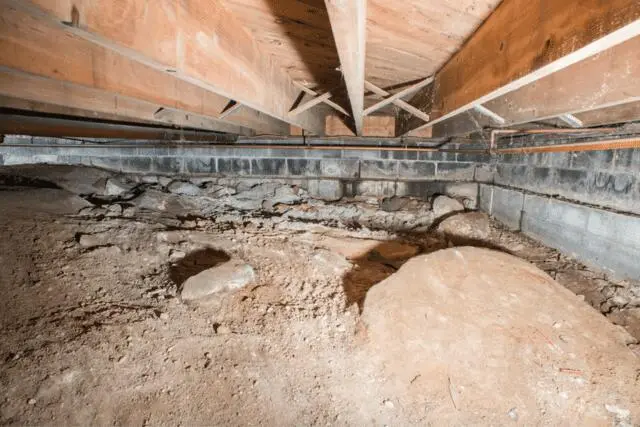
- Importance of Controlling Humidity Levels High humidity levels in the crawlspace can lead to condensation on surfaces, promoting mold growth and wood rot. Keeping humidity levels below 60% is generally recommended to prevent these issues.
- Choosing and Installing Dehumidifiers Installing a dehumidifier in the crawlspace is an effective way to control humidity levels. When choosing a dehumidifier, consider the size of the crawlspace, the climate, and the specific moisture issues present. It’s important to select a dehumidifier that is designed for crawlspaces and has the capacity to handle the humidity levels in your area.
- Placement: The dehumidifier should be placed in a central location within the crawlspace, where it can effectively circulate air and remove moisture.
- Drainage: Ensure that the dehumidifier is properly drained, either by connecting it to a sump pump or using a gravity drain to remove the collected water.
- Maintenance: Regular maintenance of the dehumidifier, including cleaning the filters and checking the drainage system, is essential for optimal performance.
Preventive Measures
In addition to encapsulation, drainage systems, and dehumidification, there are several preventive measures homeowners can take to further protect their crawlspace from moisture problems.
- Proper Grading and Drainage Around the Home Ensuring that the ground around the home slopes away from the foundation is one of the most effective ways to prevent water from entering the crawlspace. Proper grading directs water away from the home, reducing the risk of it seeping into the crawlspace. In addition to grading, installing downspout extensions and maintaining gutters can help manage water flow and protect the foundation.
- Regular Inspections and Maintenance Regularly inspecting the crawlspace for signs of moisture, mold, or damage is essential for preventing problems from escalating. Homeowners should also check the vapor barrier, drainage systems, and dehumidifiers to ensure they are functioning properly.
- Sealing Cracks and Gaps Sealing any cracks or gaps in the foundation, walls, or around pipes and vents can help prevent moisture and pests from entering the crawlspace. Using caulk or expanding foam to seal these areas can provide an added layer of protection.
Crawlspace waterproofing is an essential part of maintaining a healthy home. By addressing moisture problems promptly and implementing effective waterproofing solutions such as encapsulation, drainage systems, vapor barriers, and dehumidification, homeowners can protect their crawlspaces from water damage, mold growth, and pest infestations. Taking preventive measures and performing regular maintenance will ensure that the crawlspace remains dry and healthy, contributing to the overall well-being and longevity of the home.
Contact the Professionals at ARK Basement Services Today! (866) 488-3466

Mike Perry is the esteemed owner of ARK Basement Services, a premier company specializing in basement waterproofing and foundation repair services. Under Mike’s leadership, ARK Basement Services has established itself as a trusted leader in the industry, known for delivering high-quality, reliable solutions to homeowners facing basement and foundation issues. Mike’s commitment to excellence, combined with his extensive knowledge and experience in the field, has been instrumental in building a company that is dedicated to ensuring customer satisfaction and the longevity of their homes. His hands-on approach and dedication to utilizing the latest technologies and methods have set ARK Basement Services apart, making them a go-to provider for those in need of expert basement and foundation services. For more details on Mike Perry’s work and ARK Basement Services, visit their website at https://www.arkbasementservices.com/.