Basements are naturally prone to moisture. They sit below ground level, surrounded by soil that becomes saturated every time it rains. When that moisture has nowhere else to go, it tries to enter your home. For many homeowners, this means damp walls, musty odors, mold issues, and even structural concerns over time. Understanding why your basement keeps getting damp is the first step toward stopping the problem for good and protecting your property.
This guide breaks down the most common causes of basement dampness, how to tell when the issue is becoming serious, and why working with experienced waterproofing professionals like ARK Basement Services is the safest and most effective way to keep your lower level dry year-round.
Why Does Basement Moisture Happen?
Although moisture can appear in different forms, the reasons behind it usually fall into a few predictable categories. Identifying the source helps determine the right solution.
1. Hydrostatic Pressure Around Your Foundation
 When the soil around your home absorbs water, it expands and pushes against the foundation walls. This force, known as hydrostatic pressure, naturally drives moisture through concrete. Even without visible cracks, water vapor and seepage can still make their way inside.
2. Poor Exterior Drainage
If water isn’t directed away from your home, it will pool around the foundation. Common culprits include:
Downspouts too close to the house
Gutters that overflow
Poor soil grading
Clogged or failing exterior drains
When rainwater constantly collects around the basement walls, dampness becomes inevitable.
3. Interior Humidity and Condensation
Not all moisture comes from the outside. Basements often trap humidity from upper floors, appliances, or poor ventilation. When warm, humid air touches cool basement surfaces, condensation forms, leaving walls and floors damp.
4. Foundation Cracks or Weak Points
Even small cracks due to settling or shifting soil can allow groundwater to seep in. Over time, this creates stains, wet spots, and musty smells, all signs of moisture intrusion.
5. Failing Waterproofing Systems
Older homes may rely on outdated waterproofing or have no system at all. Meanwhile, sump pumps, drain tiles, and vapor barriers can wear out or become clogged, allowing moisture back into the space.
Common Signs Your Basement Is Developing a Moisture Problem
Moisture issues rarely appear overnight. Instead, they start small and gradually worsen. Here are some early warning signs that your basement is becoming damp:
• Musty or Earthy Odors
A persistent smell indicates mold or mildew growth, even if it’s not visible yet.
• Efflorescence (White Powdery Residue)
This occurs when minerals from groundwater seep through concrete and crystallize on the surface.
• Peeling Paint or Staining
Moisture pushes through walls, causing paint to bubble, crack, or discolor.
• Humid or Sticky Air
If the basement feels damp, heavy, or uncomfortable, humidity levels may be too high.
• Visible Mold Growth
Even small patches signal ongoing moisture intrusion that needs immediate attention.
• Water Streaks or Damp Spots
These indicate where moisture is entering and how severe the issue is.
Recognizing these signs early helps you take action before the problem leads to structural damage, health concerns, or expensive repairs.
The Risks of Allowing a Damp Basement to Continue
Ignoring basement moisture may not seem urgent at first, but it can quickly turn into a major problem.
 1. Mold Growth and Air Quality Issues
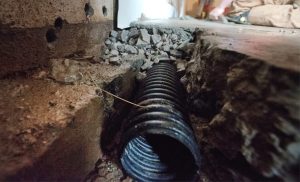 1. Mold Growth and Air Quality Issues
Moisture allows mold to thrive. Mold spores can spread throughout the home, triggering allergies, respiratory issues, and musty odors.
2. Structural Damage
Over time, moisture weakens concrete, rusts metal supports, and deteriorates wood framing. This can threaten your home’s structural integrity.
3. Damage to Stored Belongings
Paper, fabric, wood, and electronics are all vulnerable to damp environments.
4. Reduced Property Value
A wet basement is a red flag for buyers and can significantly lower your home’s market appeal.
5. Higher Energy Costs
Humid air makes HVAC systems work harder, increasing utility bills.
A damp basement is more than an inconvenience. It’s a problem that becomes more expensive the longer it’s ignored.
How to Prevent Basement Moisture for Good
Effective moisture prevention requires identifying the source and installing the right waterproofing solutions. Homeowners often try DIY fixes, but these only address symptoms not the root of the problem.
Here’s what typically works best:
1. Interior Drainage Systems
These systems collect rising groundwater beneath the basement floor and route it to a sump pump. Interior drainage is one of the most reliable methods to prevent water intrusion.
2. Sump Pump Installation and Maintenance
A well-functioning sump pump actively removes water from your basement. Regular maintenance ensures it performs when you need it the most.
3. Vapor Barriers and Encapsulation
Installing vapor barriers on walls or fully encapsulating crawl spaces can dramatically reduce humidity and stop moisture transfer.
4. Exterior Waterproofing
For homes with significant seepage, exterior waterproofing seals the foundation from the outside and improves drainage around the property.
5. Foundation Crack Repair
Injecting cracks with waterproof sealants prevents leaks and reduces structural stress.
6. Professional Grading and Gutter Management
Redirecting water away from the home is essential for long-term moisture control.
Why Professional Waterproofing Matters
Moisture issues can look simple but are often complex. Professional waterproofing ensures the source is properly diagnosed and the correct solution is applied. Companies like ARK Basement Services provide:
Detailed inspections that pinpoint the causes of moisture
Customized solutions for each home
Expert installation using high-quality materials
Long-term protection that DIY methods cannot match
Waterproofing is an investment in your home’s safety, longevity, and indoor comfort.
Final Thoughts
A damp basement may start as a small annoyance but can quickly grow into a serious issue affecting your home’s structure, air quality, and value. The good news is that moisture problems are preventable with the right combination of drainage, waterproofing, and humidity control.
If you’re noticing signs of dampness, stains, musty odors, or excess humidity, this is the perfect time to bring in professionals who can protect your basement before the situation worsens. ARK Basement Services is equipped to identify the source, recommend effective solutions, and ensure your basement stays dry for the long term.

Mike Perry is the esteemed owner of ARK Basement Services, a premier company specializing in basement waterproofing and foundation repair services. Under Mike’s leadership, ARK Basement Services has established itself as a trusted leader in the industry, known for delivering high-quality, reliable solutions to homeowners facing basement and foundation issues. Mike’s commitment to excellence, combined with his extensive knowledge and experience in the field, has been instrumental in building a company that is dedicated to ensuring customer satisfaction and the longevity of their homes. His hands-on approach and dedication to utilizing the latest technologies and methods have set ARK Basement Services apart, making them a go-to provider for those in need of expert basement and foundation services. For more details on Mike Perry’s work and ARK Basement Services, visit their website at https://www.arkbasementservices.com/.