Waterproofing your home is not just an option; it is necessary to protect your property from water damage, preserve its structural integrity, and ensure a healthy living environment. Water damage can occur in any home, regardless of age or location, making it essential for every homeowner to invest in effective waterproofing solutions. This article will delve into why waterproofing is a must for every home, its benefits, and the various methods available to achieve a dry and secure home.
The Ubiquity of Water Damage
Water damage is a common problem that can affect any home, leading to a range of issues:
- Structural Damage: Water can weaken the foundation, walls, and floors, causing cracks, shifting, and even collapse in extreme cases. This can compromise the overall stability of the house.
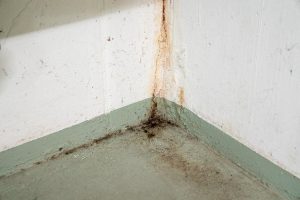
- Mold and Mildew Growth: Damp conditions provide an ideal environment for mold and mildew to thrive. These fungi can cause respiratory issues, allergies, and other health problems.
- Damage to Belongings: Water infiltration can damage personal belongings, furniture, electronics, and other valuable items. This can result in significant financial loss and emotional distress.
- Unpleasant Odors: Dampness can lead to musty odors permeating the entire home, making it uncomfortable and uninviting.
- Increased Energy Bills: Moisture can reduce the effectiveness of insulation, leading to higher energy bills as your heating and cooling systems work harder to maintain a comfortable temperature.
The Necessity of Waterproofing
Waterproofing your home is essential for several reasons:
- Protecting Structural Integrity: Waterproofing helps prevent water from infiltrating the foundation, walls, and floors, reducing the risk of structural damage. This ensures the stability and longevity of your home.
- Preventing Health Issues: By preventing mold and mildew growth, waterproofing enhances indoor air quality, contributing to a healthier living environment for you and your family.
- Safeguarding Personal Belongings: Waterproofing protects your personal belongings, furniture, and other valuable items from water damage, saving you from costly repairs and replacements.
- Enhancing Comfort: A dry home is a comfortable home. Waterproofing eliminates dampness and musty odors, creating a more pleasant living environment.
- Increasing Property Value: A well-maintained, dry home is more attractive to potential buyers, increasing the overall value of your property.
- Improving Energy Efficiency: Waterproofing helps maintain the effectiveness of insulation, leading to lower energy bills and a more energy-efficient home.
Methods of Waterproofing Your Home
There are various methods of waterproofing your home, each with its advantages and suitability for different situations. These methods can be broadly categorized into interior and exterior waterproofing.
Interior Waterproofing
Interior waterproofing focuses on managing water that has already penetrated the walls and floors of your home. It is generally more affordable and less disruptive than exterior solutions.
- Sealants and Coatings: Applying waterproof sealants and coatings to the interior walls and floors creates a barrier that prevents water from seeping through minor cracks. These products are effective for minor leaks and dampness.
- Interior Drainage Systems: Interior drainage systems, such as French drains and sump pumps, collect and channel water away from your home’s interior. These systems are installed along the perimeter of the basement floor and are highly effective in managing water that enters the space.
Exterior Waterproofing
Exterior waterproofing aims to prevent water from entering your home in the first place. This method involves significant excavation and construction work but provides comprehensive protection.
- Excavation and Waterproof Membranes: Excavating around the foundation and applying waterproof membranes to the exterior walls creates a barrier that prevents water from penetrating the foundation. This method is highly effective but can be labor-intensive and costly.
- Exterior Drainage Systems: Installing exterior drainage systems, such as weeping tiles and perimeter drains, directs water away from the foundation. These systems reduce hydrostatic pressure and prevent water from accumulating around the walls of your home.
- Proper Grading and Landscaping: Ensuring that the ground around your home slopes away from the foundation helps prevent water from pooling around the walls. Proper grading and landscaping are essential components of a comprehensive exterior waterproofing strategy.
Advanced Waterproofing Materials
Using advanced materials can enhance the effectiveness of waterproofing. These materials are designed to withstand various environmental conditions and provide long-lasting protection.
- Crystalline Waterproofing Agents: These agents penetrate the concrete and react with water to form crystals that fill the pores and cracks, effectively blocking water ingress.
- Rubberized Asphalt: This durable and flexible material is used for waterproofing exterior walls. It provides excellent protection against water infiltration and can withstand extreme temperatures and environmental conditions.
- Polymer Injection: Polymer injection involves injecting a liquid polymer into the soil around the foundation. The polymer hardens and forms a waterproof barrier, effectively sealing the foundation from external water sources.
Steps for Effective Waterproofing
Effective waterproofing involves several key steps, regardless of the chosen method:
- Assessment and Inspection: Begin by inspecting your home for signs of water infiltration, such as dampness, mold, or cracks. Identify the sources of water entry.

- Repair Cracks and Seal Openings: Use hydraulic cement, epoxy injections, or other appropriate materials to repair cracks and seal any gaps or openings in the walls and floors.
- Install Drainage Systems: Depending on the assessment, install the necessary drainage systems, such as French drains or sump pumps, to manage water effectively.
- Apply Waterproof Coatings or Membranes: Apply waterproof coatings or membranes to the interior or exterior surfaces as needed to create a barrier against water infiltration.
- Regular Maintenance: Regularly inspect and maintain the waterproofing systems to ensure they remain effective. This includes cleaning and servicing sump pumps, checking drainage systems, and reapplying sealants as necessary.

Choosing the Right Waterproofing Solution
The choice of waterproofing method depends on several factors, including the extent of water infiltration, the condition of your home, and budget considerations. In some cases, a combination of interior and exterior solutions may be necessary to achieve the best results.
DIY vs. Professional Waterproofing
While some waterproofing tasks can be handled by homeowners, such as applying sealants or installing basic drainage systems, more complex projects may require professional expertise. Hiring a professional waterproofing contractor ensures that the job is done correctly and provides peace of mind that your home is protected against water damage.
Waterproofing your home is essential for maintaining a dry, safe, and healthy living environment. By understanding the different waterproofing methods available and following the necessary steps, homeowners can protect their homes from water infiltration and the associated problems. Whether opting for interior or exterior waterproofing, or a combination of both, taking proactive measures to protect your home is a wise investment in its longevity and health. Don’t wait for water damage to become a significant issue—start waterproofing your home today to ensure it remains a safe and comfortable place for you and your family.
Contact the Professionals at Ark Basement Services Today! (412) 856-4500

Mike Perry is the esteemed owner of ARK Basement Services, a premier company specializing in basement waterproofing and foundation repair services. Under Mike’s leadership, ARK Basement Services has established itself as a trusted leader in the industry, known for delivering high-quality, reliable solutions to homeowners facing basement and foundation issues. Mike’s commitment to excellence, combined with his extensive knowledge and experience in the field, has been instrumental in building a company that is dedicated to ensuring customer satisfaction and the longevity of their homes. His hands-on approach and dedication to utilizing the latest technologies and methods have set ARK Basement Services apart, making them a go-to provider for those in need of expert basement and foundation services. For more details on Mike Perry’s work and ARK Basement Services, visit their website at https://www.arkbasementservices.com/.