A foundation inspection starts with a visual review of cracks, sloping floors, and sticking doors, then moves inside to basements or crawl spaces to check drainage and structural stability. You receive a written report outlining findings. Next steps, plus a free estimate detailing repair options like carbon fiber straps or piering.
Key Takeaways
- Licensed structural engineers evaluate both interior and exterior foundation conditions during inspections.
- Common warning signs include sticky doors, stair-step cracks, sloping floors, and pooling water.
- Foundation inspections typically take 8 minutes to complete a thorough evaluation.
- Early detection through regular inspections prevents foundation problems from escalating into costly repairs.
What Signs Mean Your Foundation Needs Inspection?
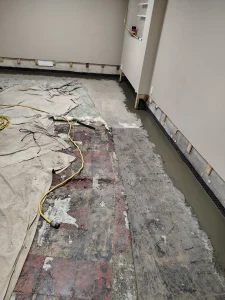 Sticky doors, stair-step cracks along mortar joints, sloping floors, and pooling water near your home’s perimeter signal foundation trouble that shouldn’t wait. These symptoms rarely appear alone, and each one tells you something different about how your structure is shifting. Catching them early keeps a manageable repair from becoming a full-scale rebuild.
Cracks deserve your closest attention. Once a crack forms in your foundation wall, it creates an easy path for water to seep into your home, and that moisture starts doing costly damage fast. By the time you notice these warning signs, your basement may already be at risk of water intrusion, even if you haven’t spotted a puddle yet.
Why does water seep through my basement floor?
Groundwater buildup around your foundation creates hydrostatic pressure, one of the primary reasons water pushes up through basement floors or slips through wall seams. That pressure builds against your foundation walls constantly, whether you see standing water or not. Left unaddressed, it stresses the structure further and widens existing cracks over time.
What should I watch for around doors and windows?
Frames that stick, doors that no longer latch, or windows that jam without warning often point to a foundation that’s settling unevenly. Pair these signs with a checklist:
- Doors or windows that suddenly bind
- Cracks running in a stair-step pattern
- Floors that visibly slope or dip
- Water pooling near your foundation after rain
Foundation inspection and repair services identify which of these signs demand immediate action versus ongoing monitoring, giving you a clear, professional read on your home’s condition before small problems grow expensive.
What Happens During A Foundation Inspection?
A qualified inspector opens the visit with a walkthrough of your home’s interior, checking rooms, hallways, and stairwells for anything out of alignment. Foundation inspection and repair services exist precisely because early findings from this walkthrough often determine whether a homeowner needs minor patchwork or a more serious structural fix. Skipping this step, or hiring someone who rushes through it, risks missing problems while they’re still cheap to correct.
Inside your home, the inspector studies your floors closely. Sagging or uneven sections can point to foundation settlement happening beneath the slab. The inspector also traces cracks running through walls, paying particular attention to areas around doorways and windows. These openings tend to show stress first. Gaps between walls and the floor or ceiling get the same scrutiny. They often reveal shifting that isn’t visible anywhere else in the room.
What Does A Full Inspection Cover Beyond The Interior?
A complete evaluation doesn’t stop indoors. The inspector reviews exterior conditions, checks drainage patterns around your property, and examines your basement or crawl space for supporting evidence. That review ends with a written report laying out specific next steps for your property.
Why Does Drainage Matter During An Inspection?
Drainage gets close attention because groundwater tends to build up around a foundation over time. That accumulation exerts steady pressure against your basement floor, a force capable of driving moisture and structural stress into your home. Inspectors evaluate drainage patterns specifically to catch this risk before it worsens.
Together, these steps give you a clear picture of your foundation’s condition:
- Interior visual walkthrough of rooms and floors
- Floor-level check for sagging or unevenness
- Crack inspection near doorways, windows, walls, and ceilings
- Exterior review paired with drainage and basement or crawl space evaluation
- Written report outlining recommended next steps
How Much Does A Foundation Inspection Cost?
Foundation inspection pricing depends on three factors: how severe the damage looks, which repair method your home needs, and what ongoing maintenance the foundation requires afterward. No two houses settle the same way, so no two estimates look identical either. Your final number reflects the specific condition of your foundation, not a apartment rate pulled from a price sheet.
A hairline crack costs far less to address than a foundation that has shifted enough to jam doors or crack drywall throughout the house. That’s why foundation inspection and repair services start with a full evaluation before anyone talks numbers. Skipping that step means guessing at a price with no data behind it.
Is foundation piering cheaper than full replacement?
Piering costs a fraction of what full foundation replacement runs. This method stabilizes your existing foundation using supportive piers driven to load-bearing soil, avoiding the excavation and rebuilding that replacement demands. For many homeowners facing settlement damage, piering delivers a lasting fix without the six-figure price tag of tearing out and starting over.
Who should perform my foundation inspection?
Your inspection should come from a licensed, unbiased structural engineer or a qualified foundation inspector, never an unverified source. An inspector with a financial stake in selling you repairs can skew findings toward unnecessary work. Choose someone credentialed and independent, and you protect yourself from inflated estimates and misdiagnosed problems.
Ask any inspector these questions before hiring:
- What licensing or engineering credentials do you hold?
- How do you determine repair method and cost?
- Will you provide a written report with clear findings?
Repair Or Stabilize: Which Does Your Foundation Need?
Foundation repair fixes damage that has already occurred, while foundation stabilization works to prevent new problems from developing. Deciding between the two depends on how much movement your home has already experienced. Whether the ground beneath it keeps shifting. Homeowners across Western Pennsylvania, Erie, and Northeastern Ohio often need both, applied in sequence, when structural movement has been building for years unnoticed.
Repair methods such as concrete piers or slab jacking target specific damage points. A sagging corner, a cracked slab, a settling wall section. Stabilization techniques work differently. Underpinning, for example, increases the foundation’s overall stability instead of correcting one isolated problem area. Think of repair as treating a wound and stabilization as strengthening the whole structure against future injury.
Foundation Inspection and Repair Services identify which approach, or which combination, your home actually needs before any work begins.
One reliable stabilization method is piering, sometimes called piling. This process drives steel beams into the ground surrounding your home’s foundation, creating dedicated support points beneath the structure. Crews drill these beams deep enough to rest on a stable surface, such as bedrock, so the foundation stops shifting over time.
Is Piering the Same as Underpinning?
Piering counts as a form of underpinning. Both methods add support beneath an existing foundation to stop settling and movement. The main difference lies in materials and depth: piering relies on steel beams driven down to a stable bearing surface.
Can You Repair a Foundation Without Stabilizing It First?
Repairing visible damage without addressing its cause usually means the same cracks return. Unstable soil keeps stressing the structure, undoing repair work within months. A thorough inspection tells you whether stabilization needs to happen before, or alongside, repair.
What Should You Do After The Inspection Report?
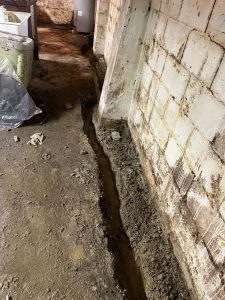 Act on your findings within weeks, not months. A foundation report identifies problems while they’re still manageable. Delay lets small cracks widen and minor settling turn into structural movement. Your home’s foundation carries the weight of everything above it, so treating inspection findings as urgent protects your investment and your family’s safety.
Start by reading the report closely and listing every issue by severity. Then reach out to a qualified provider of foundation inspection and repair services for a professional consultation. ARK Basement Services, based in Pitcairn, Pennsylvania, brings direct, hands-on familiarity with the region’s soil composition and drainage patterns, factors that heavily influence how foundations behave in Western Pennsylvania, Erie, and Northeastern Ohio. That local knowledge matters when you’re deciding which repair approach fits your specific property.
Should You Get A Second Opinion Before Repairs Begin?
Getting a second opinion makes sense when repair estimates vary widely or the recommended work feels extensive. A second evaluation confirms the scope of damage and helps you compare repair strategies before committing. This step protects you from unnecessary work and gives you confidence in your final decision.
Does A Clean Report Still Require Action?
A clean report still deserves a monitoring plan, since foundation conditions shift over time with weather and soil movement. Schedule periodic check-ins, especially before selling your home. Foundation inspections build buyer trust, and a documented clean history reassures buyers that the property is sound.
Your next steps:
- Prioritize repairs flagged as urgent or structural
- Request itemized estimates from qualified professionals
- Schedule warranty-backed repair work promptly
ARK Basement Services stands by the promise: We provide expert basement waterproofing and foundation repair solutions, backed by a 20-person team ready to serve your property.
FAQ
How long does a foundation inspection take?
A thorough foundation inspection typically takes about 8 minutes, during which licensed structural engineers evaluate both interior and exterior conditions of your home.
What does the inspector check inside my home?
The inspector walks through rooms, hallways, and stairwells, checking floors for sagging, tracing cracks near doorways and windows, and examining gaps between walls, floors, and ceilings.
What do I receive after the inspection?
You receive a written report outlining the findings, along with a free estimate detailing repair options such as carbon fiber straps or piering.
Conclusion
In closing, a thorough foundation inspection provides the clarity and confidence you need to protect one of your most significant investments. By understanding what to expect during the process—from visual assessment to detailed documentation—you approach the inspection as an informed homeowner ready to address any issues promptly. Professional inspection identifies problems early, prevents costly damage, and ensures your foundation remains sound for years to come. Taking this proactive step demonstrates commitment to your home’s structural integrity and long-term stability.

Mike Perry is the esteemed owner of ARK Basement Services, a premier company specializing in basement waterproofing and foundation repair services. Under Mike’s leadership, ARK Basement Services has established itself as a trusted leader in the industry, known for delivering high-quality, reliable solutions to homeowners facing basement and foundation issues. Mike’s commitment to excellence, combined with his extensive knowledge and experience in the field, has been instrumental in building a company that is dedicated to ensuring customer satisfaction and the longevity of their homes. His hands-on approach and dedication to utilizing the latest technologies and methods have set ARK Basement Services apart, making them a go-to provider for those in need of expert basement and foundation services. For more details on Mike Perry’s work and ARK Basement Services, visit their website at https://www.arkbasementservices.com/.