Effective basement wall waterproofing combines interior sealants like Drylok Masonry Waterproofer with deep-penetrating solutions such as RadonSeal Concrete Sealer, plus professional drainage systems addressing water at its source. Your dampness, leaks, or efflorescence signal moisture intrusion requiring permanent correction, not surface fixes. ARK Basement Services delivers waterproofing services. The exact years of experience is not specified in the brand facts or sources.
Key Takeaways
Basement waterproofing involves three major approaches: exterior sealants, interior drainage systems, and sump pump installation.
Exterior waterproofing products prevent water penetration through basement walls before moisture reaches interior spaces.
Sump pumps and drainage systems actively remove water that enters basements, protecting foundations from damage.
Why Are Your Basement Walls Leaking?
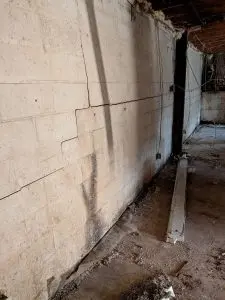
Hydrostatic pressure drives most basement leaks, forcing water through cracks, joints, and porous concrete. Groundwater collects around your foundation after heavy rain or snowmelt. That water pushes hard against your basement floor and walls until it finds a way in. Your home sits below ground level by design. That below-grade position makes it a natural collection point for water that surrounding soil can no longer absorb.
Waterproofing basement walls starts with understanding what you’re up against below the surface. Soil around your foundation acts like a sponge during storms, but once it saturates, the excess water has nowhere to go except toward the weakest point in your foundation. Cracks, cold joints, and even tiny gaps around pipe penetrations become entry points once pressure builds.
What Causes Hydrostatic Pressure Against Basement Walls?
Groundwater accumulation is the short answer. Rainfall, melting snow, and poor grading around your home all feed water into the soil surrounding your foundation. As that saturated soil pushes against your walls. Floor, it forces moisture through any available opening, whether that’s a hairline crack or a porous section of concrete.
Is a Damp Basement Really a Serious Problem?
Yes, and ignoring it costs you more than a dry space. A damp basement produces musty odors and creates conditions where mold thrives. That means:
No safe storage for furniture, documents, or belongings
No usable living space without expensive remediation
Ongoing health concerns for household members sensitive to mold
Left unaddressed, dampness signals a structural issue that will only worsen with time.
What Are the Major Waterproofing Approaches?
Two strategies protect your basement: managing water from the inside, and stopping it from the outside. Waterproofing basement walls effectively means addressing hydrostatic pressure, the force groundwater exerts against your foundation once soil becomes saturated. That pressure pushes water through cracks, joints, and porous concrete, so your solution needs to match the problem at its source.
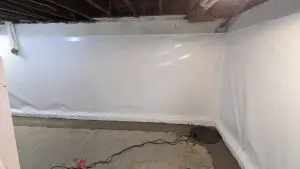
Interior drainage systems handle this pressure directly. Rather than fighting water at the wall, they collect it and move it out before it spreads across your floor. Most reliable setups pair a drainage channel with a sump pump, which gathers the water and pumps it away from your foundation automatically. This combination prevents flooding and keeps your basement dry, even during heavy rain events.
Why Do Basement Walls Need Different Treatment Than Floors?
Basements expose both walls and floors to water intrusion, unlike crawlspaces, where moisture mainly targets flooring and piping. That dual exposure means your repair plan has to account for two separate entry points, not one. A wall-only fix leaves floor seepage unaddressed, and vice versa.
Does a Sump Pump Really Solve Wall Leaks?
Yes, when paired with proper drainage. A sump pump alone doesn’t stop water from entering; it removes water once collected. Combined with an interior drainage channel along the wall base, the system intercepts seepage before it pools, giving your basement a coordinated defense rather than a single fix.
Choosing between approaches comes down to how your basement leaks:
Hydrostatic pressure at the walls — calls for interior drainage systems
Standing water or recurring flooding — calls for sump pump installation
Combined wall-and-floor exposure — calls for a system addressing both surfaces together
Which Sealants Actually Stop Water Seepage?
Two products earn their reputation for stopping moisture at the source: liquid rubber coatings and masonry-penetrating sealers. Not every product on the shelf delivers on its promise. Picking the wrong one leaves your walls exposed to the same seepage you started with. Understanding what separates a lasting fix from a temporary patch protects your foundation and your budget.
Liquid Rubber Foundation Sealant applies as a flexible coating that resists cracking as your foundation shifts over time. Its durability matters because rigid coatings tend to fail once a wall settles, letting water find new paths inward. This product also goes on with relative ease, which reduces the risk of gaps or thin spots during application.
Drylok Masonry Waterproofer works differently. Instead of sitting on the surface, it seals masonry directly, using a formula built to block seepage at the pore level. That makes it a strong option for concrete block or brick walls where water tends to wick through tiny channels.
What Makes a Sealant Actually Work Long-Term?
Sealant performance comes down to material quality and preparation, not brand alone. Concrete coatings, membranes, and sealants built from high-quality materials protect structural integrity and prevent moisture from reentering the wall.
Does Surface Prep Really Matter Before Sealing?
Yes — skipping it undermines even the best product. Dirt, debris, and existing cracks must be addressed before any sealant goes on, or the coating fails to bond properly. Crack repair beforehand gives the sealant a clean, stable surface to adhere to, which extends its effective lifespan.
Product
Best For
Key Strength
Liquid Rubber Foundation Sealant
Flexible coating on exterior/interior surfaces
Resists cracking, easy application
Drylok Masonry Waterproofer
Concrete block and masonry walls
Penetrates surface to block seepage
Choosing between these depends on your wall material and the condition of the surface underneath.
Should You Waterproof Walls Inside or Outside?
Exterior waterproofing stops water before it ever reaches the foundation, while interior methods manage water after it has already entered. Both approaches solve real problems, but the right choice depends on your budget, your home’s construction stage, and how much moisture you’re already dealing with.
New construction gives you the best opportunity for exterior protection. Homeowners building a new foundation often choose to seal the outside of the wall before the backfill goes in. The basement stays dry from day one rather than needing repairs later. Once the soil is packed against the wall, that window closes.
What does exterior waterproofing actually involve?
A properly built exterior system combines a few layers working together. Contractors typically apply a roll-on or spray-on liquid membrane, or sometimes a peel-and-stick membrane, directly to the foundation wall. A dimple board often gets added on top to relieve hydrostatic pressure. The force of groundwater pushing against the wall. Before it can build up and force water through cracks or seams.
Is interior waterproofing ever the better option?
Yes, especially for existing homes where excavation isn’t practical. Interior systems focus on managing water once it reaches the basement, using drainage channels and sump pumps rather than blocking water outside the wall.
What’s the Next Step for a Dry Basement?
Scheduling a professional evaluation comes next. Delaying repairs lets moisture keep working against your foundation, your air quality, and your budget. A proper solution for waterproofing basement walls stops water at its source and protects the structure long-term, not just for one season.
Mold growth thrives in damp basements, and it doesn’t stay contained to one corner. Left untreated, moisture problems spread spores through your home’s air supply, creating health risks for your family along with structural decay. An effective repair addresses both issues at once, protecting the wood framing, the concrete, and the air you breathe every day.
Can a wet basement actually become usable space?
Yes. A properly sealed and drained basement stops being just a storage risk and becomes real square footage. Homeowners who invest in wall repair often convert once-damp basements into finished living areas, home offices, or reliable storage, something a leaking wall never allows.
How do you know a repair company can handle the job?
Look for a team with enough hands-on experience to diagnose and fix wall leaks correctly the first time. ARK Basement Services, giving homeowners the crew capacity needed for thorough, lasting wall repairs rather than a quick patch.
Before you decide on a path forward, weigh your priorities:
Stop mold and air quality problems before they spread further into living spaces
Reclaim basement square footage for storage or finished living use
Work with a crew sized to complete repairs correctly and on schedule
The next step is simple: get your walls assessed before minor dampness turns into a structural problem.
Basement wall waterproofing requires a comprehensive approach tailored to your home’s specific conditions and vulnerabilities. Whether addressing active moisture, structural concerns, or preventive measures, the solutions discussed—from interior. Exterior barriers to drainage systems and sealants—work together to protect your foundation and preserve your home’s integrity. ARK Basement Services brings over two decades of expertise to diagnose your situation accurately. Implement lasting solutions that safeguard your basement for years to come.
FAQ
What causes basement walls to leak?
Hydrostatic pressure from saturated soil forces groundwater through cracks, cold joints, and porous concrete. Your home’s below-grade position makes it a natural collection point once surrounding soil can no longer absorb excess water.
What are the best waterproofing solutions for basement walls?
Effective waterproofing combines interior sealants like Drylok Masonry Waterproofer with deep-penetrating solutions such as RadonSeal Concrete Sealer, plus professional drainage systems that address water at its source rather than just the surface.
Why shouldn’t I ignore a damp basement?
A damp basement creates musty odors. Mold-friendly conditions, eliminating safe storage and usable living space while posing ongoing health concerns. Left unaddressed, dampness signals a structural issue that worsens over time.
Mike Perry is the esteemed owner of ARK Basement Services, a premier company specializing in basement waterproofing and foundation repair services. Under Mike’s leadership, ARK Basement Services has established itself as a trusted leader in the industry, known for delivering high-quality, reliable solutions to homeowners facing basement and foundation issues. Mike’s commitment to excellence, combined with his extensive knowledge and experience in the field, has been instrumental in building a company that is dedicated to ensuring customer satisfaction and the longevity of their homes. His hands-on approach and dedication to utilizing the latest technologies and methods have set ARK Basement Services apart, making them a go-to provider for those in need of expert basement and foundation services. For more details on Mike Perry’s work and ARK Basement Services, visit their website at https://www.arkbasementservices.com/.
To provide the best experiences, we use technologies like cookies to store and/or access device information. Consenting to these technologies will allow us to process data such as browsing behavior or unique IDs on this site. Not consenting or withdrawing consent, may adversely affect certain features and functions.
Functional Always active
The technical storage or access is strictly necessary for the legitimate purpose of enabling the use of a specific service explicitly requested by the subscriber or user, or for the sole purpose of carrying out the transmission of a communication over an electronic communications network.
Preferences
The technical storage or access is necessary for the legitimate purpose of storing preferences that are not requested by the subscriber or user.
Statistics
The technical storage or access that is used exclusively for statistical purposes.The technical storage or access that is used exclusively for anonymous statistical purposes. Without a subpoena, voluntary compliance on the part of your Internet Service Provider, or additional records from a third party, information stored or retrieved for this purpose alone cannot usually be used to identify you.
Marketing
The technical storage or access is required to create user profiles to send advertising, or to track the user on a website or across several websites for similar marketing purposes.