After a heavy rainstorm, many homeowners notice puddles forming near the base of their house. At first glance, it may not seem like a major concern. After all, rainwater has to go somewhere.
However, water around your foundation after rain can signal drainage issues that may eventually lead to basement moisture problems, structural stress, and costly repairs.
Even small amounts of standing water near the foundation can slowly weaken the protective systems designed to keep your basement dry.
Understanding why water collects around your home is the first step toward preventing long-term damage.
How Rainwater Affects the Soil Around Your Home
When rainfall is heavy or prolonged, the soil around your home becomes saturated. Once the soil reaches its capacity to absorb water, excess moisture begins to accumulate near the foundation.
This can lead to several problems.
Soil Expansion
Some soils, especially clay-heavy soil, expand when they absorb water. As the soil expands, it pushes against foundation walls.
Repeated expansion and contraction cycles create stress on concrete structures.
Increased Hydrostatic Pressure
Saturated soil creates hydrostatic pressure. This pressure pushes groundwater toward the foundation walls and basement floor.
Over time, water can force its way through cracks or weak points in the structure.
Slower Drainage
Poor soil composition or compacted ground can prevent water from draining away efficiently. This allows moisture to remain around the foundation longer than it should.
Common Drainage Issues Homeowners Overlook
Many drainage problems develop gradually and go unnoticed until water begins to collect around the house.
Improper Yard Grading
Ideally, the ground around your home should slope slightly away from the foundation. When the soil slopes toward the house, rainwater naturally flows toward the basement walls.
Short or Misplaced Downspouts
Downspouts that release water too close to the home allow large volumes of rainwater to soak directly into the soil surrounding the foundation.
Clogged Gutters
Blocked gutters cause rainwater to overflow and pour directly down along the exterior walls of the home.
Landscaping That Traps Water
Garden beds, retaining walls, or decorative borders can sometimes prevent water from draining away properly.
These issues may seem minor individually, but together they can significantly increase foundation moisture exposure.
Early Signs Water Is Affecting Your Basement
Water around your foundation does not always result in immediate flooding. In many cases, the warning signs appear gradually.
Look for signs such as:
Musty odors in the basement
White powdery residue on concrete walls
Damp spots along basement floor edges
Peeling paint on basement walls
Small cracks forming in foundation walls
These symptoms often indicate moisture intrusion caused by groundwater pressure.
Why the Problem Often Gets Worse Over Time
Water that collects around the foundation rarely disappears permanently on its own. Instead, repeated rain events gradually increase the stress on basement walls and floors.
Each storm allows moisture to work deeper into the soil and foundation materials.
Over time, this can lead to:
Cracks in foundation walls
Water seepage through basement floors
Mold growth in damp areas
Structural movement in extreme cases
Addressing drainage issues early prevents these long-term problems from developing.
Preventative Steps That Help Protect Your Foundation
Fortunately, several preventative measures can reduce the risk of water collecting around your home.
Improve Downspout Drainage
Downspouts should direct water several feet away from the foundation. Extensions or underground drainage lines can help move water safely away.
Maintain Gutters Regularly
Keeping gutters clean ensures rainwater flows properly into downspouts rather than spilling over the sides.
Adjust Yard Grading
Regrading soil around the home can encourage water to drain away instead of pooling near the foundation.
Install Interior Drainage Systems
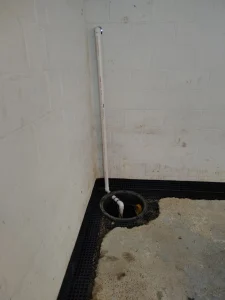
Professional drainage systems collect groundwater that reaches the basement and redirect it safely away using sump pump systems.
These improvements help manage water both outside and inside the foundation.
When to Call a Basement Waterproofing Professional
 If you consistently see water around your foundation after rain, it is wise to have the situation evaluated.
Professionals look beyond surface puddles and examine the entire drainage system, including:
Soil grading around the home
Downspout placement
Signs of hydrostatic pressure
Foundation cracks or seepage
Existing waterproofing systems
This comprehensive approach helps identify the real source of the problem and recommend the best solution.
FAQs About Water Around Foundations
Is it normal to see water around my foundation after rain?
Small amounts may appear temporarily during heavy storms, but standing water that remains for long periods indicates drainage problems.
Can water around the foundation cause basement leaks?
Yes. Saturated soil increases pressure against basement walls and floors, which can lead to seepage or cracks.
Will sealing foundation walls stop the problem?
Surface sealing alone rarely solves drainage issues. Water pressure must be relieved through proper drainage systems.
How far should downspouts extend from the house?
Downspouts should typically direct water at least several feet away from the foundation to prevent soil saturation.
Final Thoughts
Water around your foundation after rain may seem like a minor inconvenience, but it can be an early warning sign of drainage problems that threaten your basement and foundation.
Managing rainwater effectively helps protect your home from moisture damage, structural stress, and costly repairs.
If you frequently notice water collecting near your home after storms, a professional waterproofing inspection can identify the cause and provide solutions designed to keep your basement dry for years to come.

Mike Perry is the esteemed owner of ARK Basement Services, a premier company specializing in basement waterproofing and foundation repair services. Under Mike’s leadership, ARK Basement Services has established itself as a trusted leader in the industry, known for delivering high-quality, reliable solutions to homeowners facing basement and foundation issues. Mike’s commitment to excellence, combined with his extensive knowledge and experience in the field, has been instrumental in building a company that is dedicated to ensuring customer satisfaction and the longevity of their homes. His hands-on approach and dedication to utilizing the latest technologies and methods have set ARK Basement Services apart, making them a go-to provider for those in need of expert basement and foundation services. For more details on Mike Perry’s work and ARK Basement Services, visit their website at https://www.arkbasementservices.com/.