Horizontal wall cracks are a common structural issue that can occur in various types of buildings, from residential homes to commercial properties. These cracks, which run parallel to the ground along the length of a wall, are often a cause for concern among property owners and can indicate underlying problems with the building’s foundation or structure. In this comprehensive guide, we will explore the causes of horizontal wall cracks, the risks they pose, and the different solutions available to address them effectively.
1. Understanding Horizontal Wall Cracks
Horizontal wall cracks are distinct from vertical cracks in that they typically indicate more significant structural issues. While vertical cracks can result from minor settlement or shrinkage, horizontal cracks are often a sign of more serious problems with the building’s foundation or structural integrity. These cracks can appear in various materials, including concrete, brick, and masonry walls, and may vary in width and severity.
2. Causes of Horizontal Wall Cracks
Understanding the underlying causes of horizontal wall cracks is crucial for determining the appropriate repair solution. Several factors can contribute to the formation of these cracks, including:
- Hydrostatic Pressure: One of the primary causes of horizontal wall cracks is hydrostatic pressure, which occurs when water accumulates in the soil surrounding a building’s foundation. The pressure exerted by this water can cause the walls to bow inward, resulting in horizontal cracking.

- Poor Drainage: Inadequate drainage around the foundation can exacerbate hydrostatic pressure and contribute to the formation of horizontal cracks. Clogged gutters, improper grading, and faulty downspouts can all lead to water accumulation near the foundation, increasing the risk of cracking.
- Freeze-Thaw Cycles: In regions with cold climates, freeze-thaw cycles can cause horizontal wall cracks to form. When water penetrates the walls and freezes, it expands, exerting pressure that can lead to cracking over time.
- Soil Settlement: Changes in soil moisture content or composition can also contribute to the formation of horizontal wall cracks. As the soil expands and contracts, it can exert lateral pressure on the walls, leading to cracking.
3. Risks Associated with Horizontal Wall Cracks
Horizontal wall cracks can pose several risks to the structural integrity and safety of a building, including:
- Water Intrusion: Horizontal cracks can serve as pathways for water infiltration, leading to moisture problems, mold growth, and potential damage to interior finishes.
- Structural Instability: Severe horizontal cracking can compromise the structural integrity of the building, posing safety risks to occupants and potentially leading to costly repairs or structural failure.
- Decreased Property Value: Untreated horizontal wall cracks can diminish the value of a property and deter potential buyers, as they may signal underlying structural issues that require attention.
4. Solutions for Repairing Horizontal Wall Cracks
Addressing horizontal wall cracks promptly is essential for preventing further damage and ensuring the long-term stability of the building. Several solutions are available to repair horizontal wall cracks and stabilize the structure, including:
- Epoxy Injection: Epoxy injection is a common method used to repair horizontal wall cracks. It involves injecting epoxy resin into the cracks under pressure to fill voids and bond the walls together, effectively sealing the cracks and preventing further water intrusion.

- Carbon Fiber Reinforcement: Carbon fiber reinforcement systems can be used to stabilize bowed or cracked walls caused by horizontal cracking. Carbon fiber straps or sheets are applied to the wall surface and bonded with epoxy, providing additional strength and preventing further movement or cracking.
- Wall Anchors and Tiebacks: Wall anchors and tiebacks are another solution for stabilizing bowed or leaning walls. These devices are installed by drilling into the soil outside the foundation and connecting them to the interior walls, exerting outward pressure to counteract the inward forces causing the cracking.
- Polyurethane Injection: Polyurethane injection is a versatile method for repairing horizontal wall cracks and preventing water intrusion. This technique involves injecting expanding polyurethane foam into the cracks, which expands to fill voids and creates a watertight seal.
- Exterior Waterproofing: In cases where hydrostatic pressure is the primary cause of horizontal wall cracks, exterior waterproofing may be necessary. This involves excavating around the foundation, applying waterproofing membranes or coatings, and installing drainage systems to redirect water away from the structure.
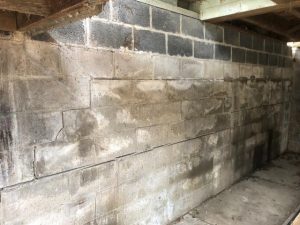
Horizontal wall cracks are a serious structural issue that can compromise the integrity and safety of a building. Understanding the causes and risks associated with these cracks is essential for implementing appropriate repair solutions. By addressing horizontal wall cracks promptly with the help of qualified professionals, property owners can safeguard their buildings against further damage and ensure their long-term stability and durability.
Contact the Professionals at ARK Basement Services Today! (412) 856-4500

Mike Perry is the esteemed owner of ARK Basement Services, a premier company specializing in basement waterproofing and foundation repair services. Under Mike’s leadership, ARK Basement Services has established itself as a trusted leader in the industry, known for delivering high-quality, reliable solutions to homeowners facing basement and foundation issues. Mike’s commitment to excellence, combined with his extensive knowledge and experience in the field, has been instrumental in building a company that is dedicated to ensuring customer satisfaction and the longevity of their homes. His hands-on approach and dedication to utilizing the latest technologies and methods have set ARK Basement Services apart, making them a go-to provider for those in need of expert basement and foundation services. For more details on Mike Perry’s work and ARK Basement Services, visit their website at https://www.arkbasementservices.com/.