When it comes to protecting your basement from water intrusion, few systems are as time-tested and effective as the French drain. Whether your basement is prone to seasonal flooding, constant dampness, or unpredictable moisture, a properly installed French drain can offer long-term relief and peace of mind.
Basements are especially vulnerable to water seepage and hydrostatic pressure due to fluctuating weather patterns, changing soil conditions, and excess groundwater. That’s why many homeowners turn to professionally designed French drain systems to keep their homes dry year-round.
If you’re wondering whether a French drain is the right solution for your property, this article breaks down how they work, why they’re so effective, and the long-term benefits they provide—especially when installed by experienced professionals.
What Is a French Drain and How Does It Work?
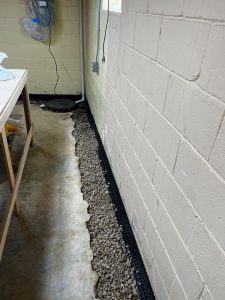
A French drain is a gravel-filled trench that contains a perforated pipe, designed to redirect water away from your home’s foundation. The basic idea is simple: rather than allowing water to pool around or under your basement, the system collects and channels it to a safe discharge point—such as a sump pump, storm drain, or daylight opening.
The system can be installed:
Inside the basement perimeter (interior French drain)
Outside around the foundation (exterior French drain)
Along driveways, patios, or slopes
Water always follows the path of least resistance. A French drain creates an easy, controlled path that guides groundwater away from vulnerable areas, preventing it from seeping into your basement.
Why Basements Need Drainage Solutions
 Many homes are built on expansive clay soils that absorb and hold water during heavy rains. When the soil becomes saturated, it creates hydrostatic pressure—a force that pushes water through cracks in basement walls or floors.
Other common conditions that contribute to water issues include:
Poor exterior grading
Clogged or improperly placed gutters and downspouts
Heavy snowmelt in early spring
Aging or inadequate waterproofing systems
French drains help relieve this pressure and give water a safe escape route before it can penetrate your foundation.
The Long-Term Benefits of French Drains
1. Effective and Reliable Basement Waterproofing
Once installed, a French drain system becomes a permanent part of your home’s waterproofing strategy. It works continuously to manage groundwater, even during heavy storms or snowmelt. When paired with a sump pump, it offers one of the most reliable ways to keep your basement dry.
Unlike temporary fixes like sealants or patching, French drains address the root of the problem—excess water near your foundation.
2. Protection Against Foundation Damage
When water accumulates around your home’s foundation, it doesn’t just cause leaks—it can lead to cracking, bowing walls, and even structural shifting. Over time, this kind of damage compromises the safety and value of your home.
By relieving water pressure, a French drain system helps maintain the integrity of your foundation and avoids the need for costly structural repairs in the future.
3. Mold and Mildew Prevention
Persistent moisture in the basement creates the perfect environment for mold and mildew. These fungi thrive in damp, poorly ventilated spaces and can quickly spread to finished areas of your home.
A French drain reduces moisture levels at the source, helping you maintain a healthier indoor environment and reducing the risk of respiratory issues, allergies, and mold-related damage.
4. Increases Home Value and Buyer Confidence
A dry basement is a major selling point. If you ever decide to put your home on the market, having a professionally installed French drain shows prospective buyers that the home is protected against water damage.
This added layer of security not only boosts property value but can also make the selling process smoother and faster.
5. Works in Tandem with Other Waterproofing Systems
French drains are versatile and can be integrated with other drainage and waterproofing systems, including:
Sump pumps
Vapor barriers
Crawlspace encapsulation
Gutter extensions
At ARK Basement Services, we customize our approach based on your home’s layout, soil type, and existing systems to provide maximum protection and efficiency.
Interior vs. Exterior French Drains: What’s the Difference?
Interior French Drains
These are installed beneath the basement floor, around the perimeter of the foundation. Water that seeps through the walls or floor is captured by the drain and directed to a sump pump. This is often the best solution for homes with existing water issues or finished basements.
Exterior French Drains
These are installed outside the foundation wall, typically during new construction or major renovations. They intercept water before it ever reaches the foundation and are often combined with waterproof coatings and membranes.
Which one is right for you? It depends on your specific situation. Our team at ARK Basement Services will evaluate your home and recommend the most effective solution for long-term performance.
Why Professional Installation Is So Important
Installing a French drain might seem like a straightforward task, but doing it incorrectly can actually make water problems worse. Common DIY mistakes include:
Improper trench slope
Incorrect pipe placement
Using the wrong type of gravel
Failing to address existing water entry points
Not connecting to an effective discharge point
Our technicians are trained to assess the entire drainage picture—from surface grading and downspouts to hydrostatic pressure and interior waterproofing. We use durable materials, ensure proper pitch for water flow, and create systems that are built to last.
We also handle permits, inspections, and post-installation cleanup, so you don’t have to worry about the logistics.
What to Expect During Installation
Consultation and Inspection
We start with a full evaluation of your property and basement to identify the source of water and determine the best placement for your French drain.
Excavation and Preparation
Our team carefully digs a trench along the designated area, whether inside the basement or outside around the foundation.
Pipe and Gravel Installation
We install a perforated pipe wrapped in filter fabric and surround it with gravel to promote drainage while keeping debris out.
Connection to Discharge System
The French drain is routed to a sump pump, storm drain, or daylight outlet, ensuring water is moved safely away from the home.
Backfill and Restoration
Once the system is in place, we backfill the area, restore landscaping or concrete, and leave your home clean and ready to enjoy.
Signs You May Need a French Drain System
 Water pooling near foundation walls
Damp basement corners after rain
Musty odors or visible mold
Water stains or peeling paint on basement walls
Soggy soil around your home’s perimeter
Frequent sump pump cycling
 Water pooling near foundation walls
If any of these sound familiar, it’s time to schedule an inspection.
Long-Term Peace of Mind with Professional Solutions
French drains are one of the most effective ways to deal with water around your foundation. They’re not flashy, but they work silently and consistently in the background, year after year.
At ARK Basement Services, we believe in long-term solutions, not quick fixes. Our French drain systems are designed with precision, care, and your specific property in mind. Whether you’re battling chronic dampness or preparing for future storms, a professionally installed French drain can offer the peace of mind you need to enjoy your home with confidence.
Ready to protect your basement for the long haul? Contact ARK Basement Services today for a no-obligation consultation. Our team will evaluate your home’s needs and recommend the right drainage solution to keep your basement safe, dry, and mold-free.

Mike Perry is the esteemed owner of ARK Basement Services, a premier company specializing in basement waterproofing and foundation repair services. Under Mike’s leadership, ARK Basement Services has established itself as a trusted leader in the industry, known for delivering high-quality, reliable solutions to homeowners facing basement and foundation issues. Mike’s commitment to excellence, combined with his extensive knowledge and experience in the field, has been instrumental in building a company that is dedicated to ensuring customer satisfaction and the longevity of their homes. His hands-on approach and dedication to utilizing the latest technologies and methods have set ARK Basement Services apart, making them a go-to provider for those in need of expert basement and foundation services. For more details on Mike Perry’s work and ARK Basement Services, visit their website at https://www.arkbasementservices.com/.