You’ve probably heard a few things about sump pumps that have made you question their efficiency and necessity. Misconceptions like “sump pumps last forever” or “they’re all the same” may have you second-guessing whether you need one at all. Or perhaps you’ve been led to believe that professional installation isn’t necessary and DIY will do just fine. As these myths circulate, it’s crucial to separate fact from fiction. After all, understanding the truth about these devices could save you from a disastrous water damage situation. So, ready to debunk some myths?
Key Takeaways
- Sump pumps do not cause foundation damage; they prevent water accumulation, protecting the foundation.
- Incorrect sump pump installation leads to malfunctions, not the pumps themselves being inherently problematic.
- Sump pumps can be energy efficient, with usage depending on the frequency of operation and water table levels.
- Regular maintenance is essential for sump pump lifespan, contrary to the belief that they inherently have short lifespans.
- Backup systems are necessary for sump pump reliability, debunking the myth of a single pump being fully adequate.
Myth 1: Sump Pumps Last Forever

Despite what you might’ve heard, sump pumps don’t last forever. It’s a common misconception that once you’ve installed one, you’re set for life.
But here’s the hard truth you need to grapple with: no matter how high-quality or complex your sump pump might be, it’s going to wear out eventually.
Normal wear and tear, power surges, clogs, and a lack of maintenance can all shorten a sump pump’s lifespan. On average, you can expect a well-maintained sump pump to last about 10 years.
But don’t be fooled into thinking that’s a guarantee. If you’re not regularly checking and maintaining your pump, it could fail much sooner.
Remember, a failing sump pump can lead to disastrous consequences like a flooded basement.
Myth 2: All Pumps Are the Same
Contrary to popular belief, not all sump pumps are created equal. You might think they all do the same job, but that’s far from the truth. In reality, there are significant differences in types, sizes, and functionalities.
Consider the two most common types: submersible and pedestal pumps. Submersible pumps are designed to function underwater, whereas pedestal pumps stay above water. They’re not interchangeable – each type works best in specific situations.
| Type | Best for | Not suitable for |
|---|---|---|
| Submersible | Deep, small-diameter basins | Shallow, wide basins |
| Pedestal | Shallow, wide basins | Deep, small-diameter basins |
The size of the pump also matters. You can’t just buy the biggest one and hope for the best. A pump that’s too powerful can cause unnecessary wear and tear, while a pump that’s too weak won’t be able to keep up with heavy rain.
In short, you can’t assume all sump pumps are the same. You’ve got to do your research, consider your specific needs, and choose wisely. After all, the right pump can keep your basement dry and save you a lot of hassle.
Myth 3: No Maintenance Required
You might believe that once a sump pump is installed, it doesn’t need any upkeep.
But, ignoring regular maintenance can lead to some serious consequences.
Let’s talk about why it’s crucial to regularly maintain your sump pump.
Misunderstanding Sump Pump Maintenance
While it’s tempting to believe that once installed, your sump pump can run on its own without any need for maintenance, this is a myth. Just like any other household device, your sump pump requires regular checks and maintenance to guarantee its efficiency and longevity. Ignoring it can lead to a host of problems, some of which can be costly.
The maintenance required for your sump pump is fairly straightforward and can be broken down into two main tasks: regular inspections and occasional cleanings. These tasks, when done consistently, can prevent your sump pump from failing at a time when you need it most.
Here’s a simple breakdown in table format to help you understand better:
| Task | Frequency |
|---|---|
| Inspection | Monthly |
| Cleaning | Bi-annually |
| Check Valve Testing | Quarterly |
| Battery Replacement | Every 2-3 years |
| Professional Inspection | Annually |
Consequences of Neglect
Believing that your sump pump needs no maintenance can lead to a multitude of issues down the line. It’s a common myth, but it’s far from reality.
Let’s break down the potential consequences of neglecting your sump pump.
Consider a scenario where a heavy rainstorm hits and your basement floods, causing extensive damage. This could have been avoided with a functioning sump pump.
But, if you’ve previously thought, “My sump pump doesn’t require any upkeep,” you’re likely facing a hefty repair bill now.
Moreover, a neglected sump pump can become a breeding ground for mold and mildew. These aren’t just unsightly; they pose serious health risks, especially for people with respiratory issues.
In addition, your sump pump can become noisy and inefficient over time without proper care.
Lastly, remember that a sump pump’s lifespan isn’t infinite. Without regular checks, it might fail when you need it most.
You’ll then need to replace the entire system, which is considerably more expensive than regular maintenance.
In short, buying into the myth that sump pumps require no upkeep can lead to significant problems. It’s a risk you don’t want to take.
Regular Maintenance Importance
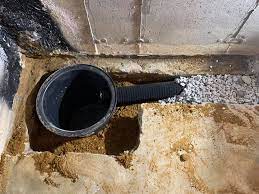 Despite the common misconception, your sump pump’s longevity and efficiency heavily depend on regular maintenance. It’s not a “set and forget” piece of equipment. Some believe once it’s installed, it’ll function forever without need for a check-up. That’s far from the truth.
Maintenance doesn’t have to be a burden. A few simple steps, carried out regularly, can save you a lot of heartache down the road. Check for debris in the pit, make sure the float isn’t restricted, and listen for unusual noises. These checks alone can potentially prevent a catastrophic failure.
Do you remember the last time you tested your pump? If you can’t recall, it’s probably time to do so. Run water through it to see if it’s working correctly.
If you’re unsure about any aspect of this process, don’t hesitate to call a professional. They’re trained to spot and fix issues before they become major problems.
Myth 4: Sump Pumps Are Noisy
You might’ve heard the rumor that sump pumps are noisy, causing a constant racket in your home. However, that’s not the whole truth.
Yes, sump pumps can make noise, but it’s not a constant, disruptive sound. Most modern sump pumps are designed to operate quietly. While they do make some noise when they’re working, it’s usually a low hum that’s barely noticeable.
If your sump pump is making a lot of noise, it’s more likely that there’s a problem that needs addressing. For instance, a loud clanging or rattling noise could indicate a damaged impeller or a problem with the motor.
A continuous noise might suggest that your pump is struggling to keep up with the amount of water entering your basement, or that it’s always running because of a faulty switch.
Myth 5: Backup Systems Aren’t Necessary
The notion that backup systems for sump pumps aren’t necessary is a myth that can leave you in deep water, quite literally. It’s tempting to think that your primary pump will always work flawlessly, but that’s not realistic. Pumps can and do fail, power outages happen, and sometimes the volume of water is just too much for a single pump to handle.
Consider the following table which shows scenarios where having a backup system can save the day:
| Situation | Backup System Impact |
|---|---|
| Power Outage | A battery-powered backup keeps pumping even when the lights go out. |
| Pump Failure | A backup pump takes over when the primary fails, preventing flooding. |
| Heavy Rains | Backup systems can assist the primary pump in managing the excess water, reducing the risk of overwhelm. |
Myth 6: Sump Pumps Cause Foundation Damage
You may have heard that sump pumps can cause foundation damage, but is there any truth to this myth?
Let’s examine the facts and debunk some misconceptions.
Understanding the potential harm, if any, is essential for maintaining the integrity of your home’s foundation.
Foundation Damage: Truth Vs Myth
Many homeowners fear that sump pumps might cause damage to their home’s foundation. This common misconception is born out of a basic misunderstanding of how sump pumps work and their actual role in safeguarding your home.
Sump pumps are installed in the lowest part of your home, typically the basement or crawl space. Their primary function is to prevent water from accumulating and causing damage. They do this by pumping out any excess water that collects in the sump basin and redirecting it away from your home.
Contrary to the myth, a properly installed and well-maintained sump pump won’t cause foundation damage. On the contrary, it’s crucial to protecting your foundation from potential harm.
Foundation damage often results from water accumulation and pressure, which a sump pump actively works against.
However, if a sump pump is installed incorrectly or malfunctions, it may fail to remove water effectively. This could lead to water buildup and subsequent foundation damage.
It’s important to regularly maintain your sump pump and immediately address any issues to guarantee it’s functioning correctly.
Sump Pumps: Potential Harm?
Despite what you may have heard, sump pumps aren’t the bad guys when it comes to your home’s foundation. This common misconception might’ve you steering clear of sump pumps, but don’t let it. Instead, let’s debunk this myth together.
Sump pumps are actually foundation saviors. They prevent water from pooling around your foundation, which can lead to serious damage over time. If your basement floods regularly, a sump pump is your best defense against water damage.
Yet, some people believe that sump pumps cause foundation cracks. This isn’t true. If your foundation is cracking, there’s likely another cause at play, such as soil movement or poor construction.
Sump pumps simply remove excess water; they don’t create pressure against your foundation.
Myth 7: Professional Installation Isn’t Needed
Although some homeowners may believe they can install a sump pump on their own, this myth can lead to serious problems down the line. You might be handy with tools and have a knack for DIY projects, but installing a sump pump involves more than just following instructions. It requires specific skills and knowledge about plumbing, electrical wiring, and building codes.
Think about it. If you install it incorrectly, you’re not just risking the pump’s performance, but you’re also compromising your home’s safety. Water damage isn’t something to take lightly. It could cost you thousands in repairs, not to mention the potential health risks from mold and mildew.
And if the pump’s electrical wiring isn’t done correctly? You could be looking at a fire hazard.
Yes, hiring a professional might cost you more upfront, but it’s worth the peace of mind knowing your home is protected. These experts have the training and experience to do the job correctly.
They’ll guarantee your pump is installed right, operates efficiently, and adheres to all safety codes. Don’t risk your home’s safety on a myth. Professional installation isn’t just recommended, it’s necessary.
Myth 8: Sump Pumps Aren’t Energy Efficient
Contrary to popular belief, sump pumps can indeed be energy efficient. It’s not uncommon to think that these heavy-duty machines, which are constantly working to keep your basements dry, might be power hogs.
But truth be told, they’re not as energy-draining as you might think.
The energy consumption of your sump pump depends primarily on how often it’s running. If you live in an area with a high water table or frequent heavy rains, your sump pump will be working overtime, and yes, it’ll use more energy.
But in a drier climate, or a well-insulated home, it won’t run as frequently, and hence won’t use as much power.
Moreover, advancements in sump pump technology have led to more energy-efficient models. Some of these newer pumps are designed with energy-saving features, such as high-efficiency motors and backup battery systems.
So, if you’re concerned about energy use, consider investing in a modern, energy-efficient sump pump.
It’s a myth that sump pumps aren’t energy efficient. In reality, with the right model and conditions, they can be quite efficient indeed.
Myth 9: Your Home Insurance Covers Sump Pump Failures
Shifting gears from energy efficiency, let’s debunk another common misconception: that your home insurance automatically covers sump pump failures. Sure, it’s comforting to think your policy has your back, but it’s not quite that simple.
Firstly, you need to understand that standard home insurance policies typically don’t cover water damage from sources inside your house, like a malfunctioning sump pump. You’d need to add specific coverage for that, often called “water backup coverage”.
Here’s a quick rundown of things to remember:
- Most insurers offer water backup coverage as an add-on, not a standard feature.
- This add-on isn’t automatically included; you’ll need to request it.
- Costs for this coverage vary, usually depending on your home’s risk level.
- Even with this coverage, not all sump pump failures may be covered.
- Always review your policy carefully and ask your insurer to clarify any uncertainties.
Conclusion
So, don’t let these myths steer you wrong. Your sump pump is a crucial defense against water damage, not a threat to your foundation. It doesn’t last forever and it demands regular maintenance. Not all pumps are the same, and a backup is a smart move. It’s not noisy or a power hog, and sorry, but your insurance probably won’t cover a failure. Finally, don’t skimp on professional installation. Knowledge is power – so use it to protect your home.