A sump pump is one of the most important tools a homeowner can have for protecting their basement or crawl space from flooding. When heavy rain, rising groundwater, or drainage issues threaten your home, the sump pump acts as the first line of defense by actively removing water before it can cause damage.
However, many homeowners don’t realize that a sump pump is only as effective as its installation and maintenance. A poorly installed or neglected system may fail when you need it most, leading to costly repairs, mold growth, and foundation damage. This article explains why sump pumps are essential, how they work, and what you can do to ensure yours performs reliably all year long.
Why Sump Pumps Are Essential for Basement Protection
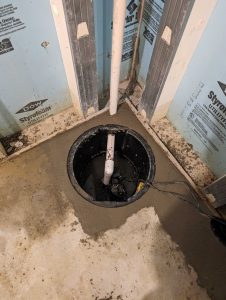
Basements and crawl spaces sit below ground level, making them extremely vulnerable to water intrusion. When water pools around or under your foundation, it seeks the easiest path inside. This water can come from:
-
Heavy rainfall
-
Poor exterior drainage
-
Rising groundwater
-
Melting snow
-
Clogged gutters
-
Hydrostatic pressure
A sump pump system removes this water before it becomes a problem. Without it, even small amounts of moisture can lead to mold, musty odors, ruined belongings, and long-term structural issues.
How a Sump Pump System Works
A sump pump is installed in a pit or basin, typically at the lowest point of the basement or crawl space. As water flows into the basin through interior drainage or natural groundwater movement, the pump detects rising water levels and automatically turns on.
Here’s the basic process:
1. Water enters the sump pit through drainage channels or natural seepage
2. A float activator senses water levels rising
3. The pump turns on and pushes the water through a discharge pipe
4. Water is directed safely away from the home’s foundation
This simple but effective system prevents thousands of gallons of water from entering your home during storms.
Types of Sump Pumps and Why the Right Choice Matters
Not all sump pumps are created equal. Choosing the right one depends on the size of your home, the water table level, and the severity of your moisture issues.
1. Submersible Sump Pumps
Installed inside the sump pit and designed to operate underwater.
Best for: finished basements, heavy water flow, quiet operation.
2. Pedestal Sump Pumps
Motor sits above the pit, making the system louder but easier to service.
Best for: smaller pits, limited space, lighter water flow.
3. Battery Backup Sump Pumps
Activate when the main pump fails or power goes out.
Essential for: storm-prone areas, homes with frequent outages.
4. Water-Powered Backup Pumps
Use water pressure instead of electricity.
Best for: homes with reliable municipal water supply.
Choosing the wrong pump or improper installation often leads to failures, especially during major storms when performance matters most.
Common Sump Pump Problems and Warning Signs
A sump pump rarely stops working without giving early warning signs. Homeowners should pay attention to these indicators:
• Strange noises or vibrations
May signal debris in the pump or worn-out parts.
• Pump running constantly
Often caused by a stuck float switch or an undersized pump.
• Water remaining in the pit after pumping
Indicates clogs or discharge problems.
• Foul smells
Suggest stagnant water or mold growth.
• Pump not turning on during heavy rain
A major red flag that requires immediate attention.
Understanding these signs helps prevent emergencies and keeps your home protected.
The Importance of Professional Sump Pump Installation
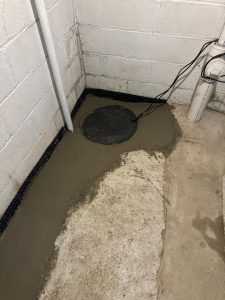
Improper sump pump installation is one of the main reasons homeowners experience preventable flooding. A professional ensures:
-
The sump pit is correctly sized
-
The pump is rated appropriately for the home
-
Drainage channels route water efficiently into the pit
-
The discharge line sends water far enough away from the foundation
-
Backflow prevention is installed
-
Electrical connections are safe and reliable
Without proper installation, even high-quality pumps may fail under pressure.
ARK Basement Services specializes in designing and installing sump pump systems that work seamlessly with interior drainage and waterproofing solutions, ensuring full foundation protection.
Essential Maintenance Tips Every Homeowner Should Follow
Even the best sump pump needs regular care to function properly. Here are maintenance steps homeowners should follow:
1. Test the Pump Every 2–3 Months
Pour a bucket of water into the sump pit to make sure the pump activates and discharges correctly.
2. Inspect and Clean the Sump Pit
Remove debris, mud, or sediment that could clog the pump.
3. Check the Float Switch
Ensure it can move freely without obstructions.
4. Examine the Discharge Line
Look for clogs, freezing, or disconnections.
5. Replace the Pump Every 7–10 Years
Even well-maintained pumps wear out with age.
6. Install a Battery Backup System
This is essential protection during power outages or pump failure.
Professional maintenance from ARK Basement Services ensures your system is always ready when storms hit.
When to Consider Upgrading Your Sump Pump System
If your home has experienced recent flooding, if your pump struggles during storms, or if your current system is more than a decade old, upgrading may be necessary. Modern pumps are more efficient, quieter, and designed to handle greater water volumes.
Homeowners should also consider upgrades when:
-
Finishing a basement
-
Adding interior drainage systems
-
Installing new foundation waterproofing
-
Living in areas with rising water tables
An upgraded pump provides peace of mind and stronger protection.
Final Thoughts
A reliable sump pump is one of the smartest investments a homeowner can make. When properly installed and maintained, it prevents flooding, protects your foundation, and keeps your basement dry even during severe weather.
If you’re unsure whether your pump is working correctly, need a backup system installed, or want a full inspection of your waterproofing setup, ARK Basement Services can help. Their professional guidance ensures your home remains safe, dry, and protected year-round.