When it comes to Interior Waterproofing Techniques, interior basement waterproofing techniques include interior drainage systems, sump pumps, and waterproof wall coatings that stop moisture before it damages your space. A drainage channel installed along the floor perimeter captures water and directs it to a sump pump. Sealants treat walls directly. ARK Basement Services designs these systems for lasting, dry results.
Key Takeaways
- Interior waterproofing protects structural integrity and improves indoor air quality in basements throughout Pennsylvania.
- Proper basement drainage systems prevent water intrusion that causes costly damage to home foundations.
- Interior waterproofing enables homeowners to convert basements into functional storage, entertainment, or family living spaces.
- Professional waterproofing installation requires understanding multiple methods and materials for optimal long-term basement protection.
What Causes Water to Enter Your Basement?
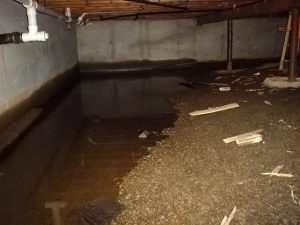
Groundwater pressure ranks as the primary driver of basement leaks, forcing moisture through cracks, seams, and porous concrete. Saturated soil around a foundation builds up hydrostatic pressure that pushes directly against basement floors. Walls, searching for the weakest point of entry. That pressure doesn’t ease up after a storm passes. It can linger for days, quietly testing every joint and crack in your foundation.
Several conditions combine to create this problem in homes across Western Pennsylvania, Erie, and Northeastern Ohio:
- Heavy or prolonged rainfall that saturates the soil surrounding your foundation
- Poor grading that directs runoff toward your home instead of away from it
- Clogged or missing gutters and downspouts
- Aging foundation walls with hairline cracks that widen over time
- High water tables common in certain regions
Why does basement water pressure get worse over time?
Hydrostatic pressure builds gradually as soil absorbs more water than it can drain. Left unchecked, that pressure widens existing cracks and creates new pathways for moisture. This is why even a small trickle deserves prompt attention rather than a wait-and-see approach.
Water intrusion of any kind inside your basement can lead to serious structural and air-quality problems if ignored. A family-owned company operating out of Pitcairn, Pennsylvania, ARK Basement Services has spent years helping homeowners identify these entry points before minor dampness turns into a costly repair.
How Does Interior Waterproofing Differ From Exterior Work?
Interior basement solutions manage water from the inside of your home. Exterior methods stop water before it ever touches your foundation walls. Interior waterproofing techniques target minor seepage, condensation, and moisture vapor that already made it past your foundation walls. Exterior work, by contrast, blocks water at its source, before it becomes your problem at all.
That distinction matters when you’re staring at damp concrete or a puddle near your water heater. You don’t always need to excavate around your entire foundation to get a dry basement. Often, addressing moisture from inside your walls and floors solves the problem faster and with less disruption to your yard.
ARK Basement Services offers a full range of options for homeowners weighing these two approaches. Solutions include basement waterproofing, cracked wall repair, French drain installation, and sump pump systems, each suited to different moisture sources. As a family-owned and operated company, ARK builds repair plans designed to last, not just patch over symptoms.
Which Approach Is Right for Your Basement?
The right choice depends on how water enters your basement and how much disruption you can tolerate. Minor seepage and condensation often respond well to interior fixes. Persistent flooding or hydrostatic pressure against your walls may call for exterior intervention.
| Factor | Interior Approach | Exterior Approach |
|---|---|---|
| Water source | Managed after entry | Blocked before entry |
| Disruption | Minimal excavation | Yard excavation required |
| Best for | Seepage, condensation | Hydrostatic pressure, flooding |
ARK combines affordable pricing, customized repair plans, and strong warranties to help you decide with confidence, backed by free estimates and personalized service every step of the way. For homeowners weighing crawlspace moisture against a full basement system, the difference between the two often shapes which repair path makes sense.
What Are the Core Interior Waterproofing Techniques?
Interior waterproofing methods manage water after it enters your basement, rather than blocking it from reaching your foundation walls outside. Interior waterproofing techniques rely on proven materials and drainage systems designed to prevent water from penetrating basement walls and floors. Skipping these techniques leaves damp walls, mold spores, and warped flooring as your only defense against groundwater.
Treating the inside wall surfaces with waterproof coatings forms the starting point for most interior systems. This barrier stops moisture from soaking through porous concrete and block walls before it ever reaches your living space. From there, a full interior approach layers several complementary tools to move water away from your home’s structure.
Your interior system typically combines:
- French drains installed along the interior perimeter to channel groundwater toward a collection point
- Sump pump systems that eject collected water outside before it pools
- Crawlspace waterproofing to seal off moisture sources beneath the main living area
- Dehumidifiers that pull excess humidity from basement air and reduce mold risk
- Carbon fiber straps that reinforce bowing or cracked walls weakened by water pressure
Do interior methods fix structural cracks too?
Water intrusion rarely travels alone; it often signals a weakening foundation wall. Cracked wall repair and foundation piering address the structural damage that accompanies leaks, stabilizing walls before they bow further. Pairing structural repair with drainage keeps your basement dry and your foundation sound at the same time.
Which technique should you start with?
Start with an inspection of where water enters and how your walls are performing. A sagging or cracked wall calls for structural reinforcement first. A wet floor after rainstorms points toward drainage and a sump pump. Your family’s home deserves nothing less than a dry, safe basement — quality is Job 1.
When Should You Call a Waterproofing Professional?
Cracks and leaks demand immediate attention, not a wait-and-see approach. Small hairline cracks or damp patches on your basement walls signal a problem that only grows worse with time. Waiting rarely pays off. Moisture that seems minor today can spread into structural damage, mold growth, and expensive repairs down the road.
Basement moisture problems rarely stay contained. What starts as a small stain on drywall or a musty smell can turn into warped flooring, ruined storage items, and compromised air quality throughout your home. The longer water sits against your foundation walls, the more expensive the fix becomes.
How do you know if your basement needs professional help?
Look for cracks wider than a hairline, water stains that reappear after cleaning, or a persistent musty odor. Efflorescence, the white chalky residue on concrete, also points to moisture moving through your walls. Any of these signs warrants a call to a qualified professional before the damage spreads further.
What happens during a professional basement inspection?
A trained team examines your foundation walls, floor joints, and drainage patterns to identify where water enters. ARK Basement Services provides free estimates, giving you a clear picture of repair options and costs before you commit to any work. That evaluation typically includes:
- Visual inspection of walls, floors, and foundation joints
- Identification of active leak points and moisture sources
- Recommendations for interior waterproofing techniques suited to your basement’s layout
- A written estimate outlining scope and pricing
ARK Basement Services backs its inspections with a team of 20 employees, ready to deliver hands-on evaluations and repair work across its service area. Homeowners deserve a dry basement — Restoring Homes, Protecting Families, One Basement at a Time.
What Should You Do After Waterproofing Finishes?
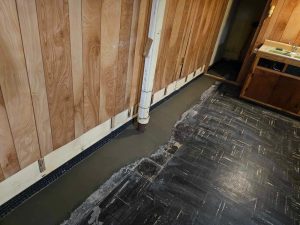
Completion of interior waterproofing techniques marks the start of a new maintenance routine, not the end of a project. Skipping post-installation checks risks turning a newly dry basement back into a damp storage hazard within a few seasons. Ongoing attention protects the investment homeowners just made in their foundation and walls.
A wet or leaky basement remains a significant concern for any homeowner, even after professional repairs. What looks like a minor trickle can signal a drainage failure developing behind the wall, so catching small signs early prevents larger damage later.
 How often should you check your basement after waterproofing?
Walk through the basement monthly during the first year, paying attention to corners, floor-wall joints, and any sump pump activity. Watch for these warning signs between visits:
- Musty odors or rising humidity
- Discoloration or staining on walls
- Standing water near drains or the sump pit
- Cracks that widen over time
What can you do with your newly dry basement?
A properly waterproofed basement opens up real living space. Homeowners often convert the area into storage, a family room, or an entertainment space once moisture stops threatening floors and furnishings.
Support does not stop at installation. ARK Basement Services backs its work with warranties, referral programs, senior discounts, and military discounts, giving homeowners resources if questions arise later. As a family-owned company serving Western Pennsylvania, Erie, PA, and Northeastern Ohio — including Canton, Ohio — ARK stays reachable for follow-up service long after the crew leaves the driveway. Visit ARK Basement Services to schedule a free estimate.
FAQ
What are the main interior basement waterproofing techniques?
Interior waterproofing relies on drainage channels installed along the floor perimeter, sump pumps, and waterproof wall coatings. The drainage channel captures water and directs it to the sump pump, while sealants treat walls directly.
What causes water to enter a basement?
Groundwater pressure forces moisture through cracks, seams, and porous concrete as saturated soil builds hydrostatic pressure against foundation walls and floors. Heavy rainfall, poor grading, clogged gutters, aging foundation cracks, and high water tables all contribute.
How does interior waterproofing differ from exterior methods?
Interior techniques manage water that already seeped past foundation walls, targeting minor seepage, condensation, and moisture vapor from inside the home. Exterior work instead blocks water at its source before it reaches the foundation.
Conclusion
In closing, interior basement waterproofing represents a practical and effective approach to protecting your home’s foundation and living spaces from moisture damage. By understanding the range of techniques available—from sealants. Coatings to interior drainage systems—you gain the knowledge necessary to make informed decisions about your basement’s long-term health. The right waterproofing solution, tailored to your specific conditions and concerns, delivers lasting protection for years to come.

Mike Perry is the esteemed owner of ARK Basement Services, a premier company specializing in basement waterproofing and foundation repair services. Under Mike’s leadership, ARK Basement Services has established itself as a trusted leader in the industry, known for delivering high-quality, reliable solutions to homeowners facing basement and foundation issues. Mike’s commitment to excellence, combined with his extensive knowledge and experience in the field, has been instrumental in building a company that is dedicated to ensuring customer satisfaction and the longevity of their homes. His hands-on approach and dedication to utilizing the latest technologies and methods have set ARK Basement Services apart, making them a go-to provider for those in need of expert basement and foundation services. For more details on Mike Perry’s work and ARK Basement Services, visit their website at https://www.arkbasementservices.com/.