Basement water problems are more than just a nuisance—they’re a threat to your home’s structure, indoor air quality, and long-term value. The good news? With the right system in place, you can effectively keep water out of your basement for good. Two of the most powerful tools in basement waterproofing are the sump pump and the French drain. On their own, they’re effective. But together, they form a highly reliable defense against even the heaviest rains and rising groundwater.
In this article, we’ll explain how sump pumps and French drains work individually and why combining them is often the smartest move to protect your basement.
1. Understanding Basement Water Intrusion
Before diving into the solutions, it’s important to understand where water comes from. Common sources of basement moisture include:
Heavy rainfall or snowmelt saturating the soil
Poor exterior drainage or grading
Hydrostatic pressure pushing water through foundation walls
Cracks in floors or walls
Clogged or broken gutters and downspouts
Even without visible flooding, ongoing dampness can lead to mold, mildew, rot, and structural decay.
2. What Is a French Drain and How Does It Work?
A French drain is a subsurface drainage system that redirects water away from your foundation. It typically consists of:
A perforated pipe installed in a trench
Surrounded by gravel or drainage rock
Often lined with a filter fabric to prevent clogging
Installed either outside or inside the foundation perimeter
➤ Exterior French Drains
Placed along the outside of the foundation, these catch water before it reaches your basement walls.
➤ Interior French Drains
Installed along the inside perimeter of the basement floor, these collect water that seeps in and direct it to a sump pump.
The French drain’s main job: Collect water and move it safely away before it causes damage.
3. What Is a Sump Pump System?
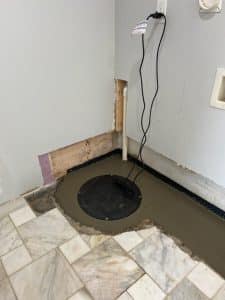
A sump pump is an electrical pump installed in a pit (called a sump basin), typically at the lowest point of your basement. Its job is to:
Collect water from interior drains or naturally seeping groundwater
Automatically turn on when water levels rise
Pump water out through a discharge line to a safe location outside
Modern sump pump systems often include:
A backup battery or water-powered pump for outages
Alarms to notify you of water levels or failure
Maintenance access points to keep systems clean
The sump pump’s main job: Remove collected water before it floods your basement.
4. Why These Systems Are Better Together
While each system works well on its own, the real power comes when French drains and sump pumps are installed together:
The French drain captures and channels water efficiently
The sump pump removes the water from the home completely
This one-two punch means that water is not only redirected—it’s physically removed from your property, reducing the chance of pressure buildup, leaks, or foundation weakening.
5. Benefits of Combining French Drains and Sump Pumps
✅ Comprehensive Water Management
Water from every direction—walls, floors, even under the slab—is collected and handled before it can accumulate.
✅ Prevents Long-Term Structural Damage
By reducing hydrostatic pressure and keeping the soil dry around your foundation, this combo helps protect against cracks and movement.
✅ Keeps the Basement Dry All Year
Whether it’s a summer thunderstorm or spring snowmelt, these systems work in every season.
✅ Improves Indoor Air Quality
No standing water means less risk of mold and mildew, leading to healthier air throughout the home.
✅ Peace of Mind
You’ll sleep better knowing your basement is protected by a professionally installed drainage system.
6. When Should You Consider These Systems?
You might benefit from a sump pump and French drain system if:
Your basement floods or leaks during rain
There are visible water stains on walls or floors
You smell musty odors
You’ve found mold or mildew
You live in a low-lying or high water table area
You’re finishing your basement and want to protect your investment
Even if the symptoms aren’t extreme, being proactive can save thousands in water damage repairs.
7. Professional Installation Makes All the Difference
Installing a sump pump or French drain may sound straightforward, but doing it right requires skill, planning, and experience. Professionals will:
Evaluate the exact source of your water problem
Determine the ideal placement and depth of your French drain
Choose the correct size and power for your sump pump
Ensure proper grading and discharge line routing
Install backup systems for power failures
Use quality materials that last
Cutting corners with DIY or low-quality work can lead to clogs, pump failure, or ineffective drainage—exactly what you’re trying to prevent.
8. Maintaining Your Drainage System for Long-Term Success
Even the best system needs a little care. Keep your basement dry year after year by:
Cleaning sump pump basins regularly

Testing your pump every few months
Ensuring the discharge line is clear and flows away from the house
Checking that backup batteries are charged
Watching for signs of clogging in the French drain

Most maintenance is simple, but a yearly checkup by a waterproofing specialist can ensure everything works when you need it most.
Conclusion: Build a Reliable Barrier Against Basement Water
Water damage can turn your basement into a costly liability—but it doesn’t have to. When sump pumps and French drains are installed together, they form an unbeatable system that captures, controls, and removes water efficiently. Whether you’re dealing with persistent dampness or want to prevent future problems, combining these technologies offers powerful protection for your home.
Trust professionals to assess your basement, design the right drainage solution, and install it with precision. With the right system in place, you’ll enjoy a dry, healthy, and worry-free basement for years to come.

Mike Perry is the esteemed owner of ARK Basement Services, a premier company specializing in basement waterproofing and foundation repair services. Under Mike’s leadership, ARK Basement Services has established itself as a trusted leader in the industry, known for delivering high-quality, reliable solutions to homeowners facing basement and foundation issues. Mike’s commitment to excellence, combined with his extensive knowledge and experience in the field, has been instrumental in building a company that is dedicated to ensuring customer satisfaction and the longevity of their homes. His hands-on approach and dedication to utilizing the latest technologies and methods have set ARK Basement Services apart, making them a go-to provider for those in need of expert basement and foundation services. For more details on Mike Perry’s work and ARK Basement Services, visit their website at https://www.arkbasementservices.com/.