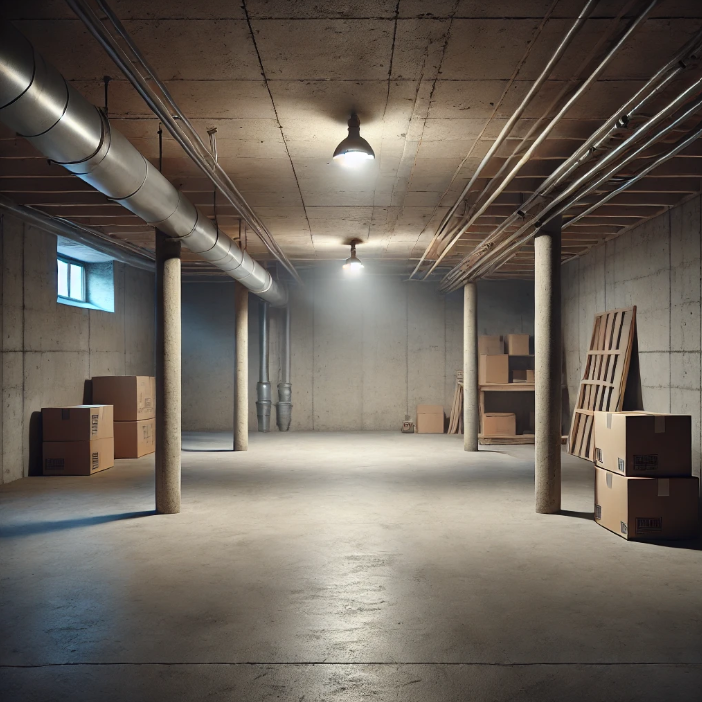
Is it truly necessary to waterproof your basement regularly, or is that just a myth propagated by waterproofing companies?
It’s a legitimate question you’ve likely asked yourself as a homeowner because, let’s face it, who isn’t looking for ways to cut down on maintenance costs and time?
The answer, however, isn’t as straightforward as you might hope. It heavily depends on numerous factors such as your home’s age, construction, location, and even the climate.
So, how often should you really waterproof your basement? Stick around, as we unravel this conundrum, and you might end up saving yourself a significant amount of trouble down the line.
Key Takeaways
- Older homes require more frequent basement waterproofing due to potential structural vulnerabilities.
- Geographical locations with heavy rainfall or floodplains necessitate more frequent basement waterproofing to prevent water damage.
- Regular monitoring of warning signs like water pooling, damp spots, and structural issues is crucial to identify the need for waterproofing.
- Proper maintenance practices, such as structural checks, ventilation, and dehumidifier use, are essential for preserving a waterproofed basement’s integrity.
Understanding Basement Waterproofing
To fully grasp the concept of basement waterproofing, it’s essential to understand that it’s a preventive measure designed to stop water from seeping into your basement and causing potential damage. It’s not just about blocking visible water leaks, but it also involves managing underground water pressure, humidity levels, and water vapor. Basement waterproofing is a comprehensive approach to maintaining the structural integrity of your home.
Now, you might be questioning, ‘Why is basement waterproofing necessary?’ Well, you see, water has a cunning way of finding its way into your home. It can seep through cracks in the walls, leak through windows, or rise up through the floor. This can lead to serious problems like mold growth, structural damage, and a decrease in your property value. Moreover, if you live in an area prone to heavy rain or flooding, your basement is at an even greater risk.
In a nutshell, understanding basement waterproofing is about recognizing its importance in preserving your home’s structure and value. It’s a proactive step in home maintenance that can save you from costly repairs down the line. So, don’t overlook it, because it’s more than just keeping your basement dry – it’s about safeguarding your investment.
Factors Influencing Waterproofing Frequency
When it comes to how often you should waterproof your basement, several factors come into play, including your home’s age, its geographical location, and the quality of its initial construction.
Older homes may require more frequent waterproofing due to the natural wear and tear that occurs over time. If your home is situated in a geographical location that experiences heavy rainfall or sits on a floodplain, you’ll likely need to waterproof your basement more often. The quality of your home’s initial construction also impacts how often you should waterproof. If your home was built with a strong foundation and proper waterproofing techniques, you may not need to waterproof as often.
Here’s a quick look at how these factors influence the frequency of basement waterproofing:
| Factor | Influence on Frequency |
|---|---|
| Home’s Age | Older homes typically require more frequent waterproofing |
| Geographical Location | Areas with heavy rainfall or floodplains require more frequent waterproofing |
| Quality of Initial Construction | Well-built homes may require less frequent waterproofing |
Warning Signs of Basement Leakage
Spotting the warning signs of basement leakage early on can save you from costly repairs and persistent issues down the line. It’s crucial to know what to look for, and not to dismiss any signs, however minor they might seem.
Consider these common indicators:
Physical Signs
- Water Pooling: This is the most evident sign. You might notice water accumulating in certain areas after a heavy rain.
- Wall Flaws: Look for damp spots, discoloration, or even peeling paint on your basement walls.
Structural and Health Symptoms
- Structural Problems: Persistent leakage can cause wood rot and even compromise the stability of your house. Be wary if doors or windows start sticking.
- Health Issues: Leaky basements often lead to mold growth, which can cause respiratory problems and allergies.
If you spot any of these signs, don’t delay. Seek professional help immediately, and consider re-waterproofing your basement. Remember, it’s always better to prevent rather than to cure. By staying vigilant, you’ll not only maintain a safe, healthy home, but you’ll also save money in the long run.
Methods of Basement Waterproofing
Now that you’re familiar with the warning signs of basement leakage, let’s delve into the various methods of basement waterproofing to protect your home from water damage.
First, there’s interior waterproofing, also known as water control. It doesn’t stop water from entering, but it manages the water once it’s inside. This method often involves the use of drains and sump pumps.
Next, we’ve exterior waterproofing. This method stops water before it enters the basement, making it a more permanent solution. It involves applying a waterproof coating or membrane to the exterior wall of the basement, along with installing drainage systems.
Another method is interior sealants. While not a long-term solution, they can help control humidity levels and prevent minor dampness.
Lastly, there’s foundation crack repair. Cracks in your foundation can allow water to seep through, so filling these with epoxy or polyurethane foam can help keep your basement dry.
Each method has its advantages and is suited for different situations. It’s best to consult with a professional to determine the most effective method for your home. It’s also crucial to remember that waterproofing is a preventive measure, so don’t wait until you have a water problem to act.
Maintaining Your Waterproofed Basement
Keeping your basement dry and well-maintained after waterproofing requires regular check-ups and some simple preventive measures. It’s not a set-and-forget project; maintaining a waterproofed basement is an ongoing task.
To help you stay on track, here are some key strategies:
Regular Inspection:
- Structural Checks: Look for cracks in the walls and floor. Small cracks might seem insignificant but they can become big issues if not attended to.
- Damp Spots: Keep an eye out for damp spots or areas where moisture is seeping through. This could indicate a problem with your waterproofing system.
Prevention Measures:
- Proper Ventilation: Ensure that your basement has proper ventilation to avoid moisture build-up.
- Dehumidifiers: Use dehumidifiers in particularly humid seasons to help control moisture levels.
Frequently Asked Questions
What Is the Cost of Waterproofing a Basement?”
The cost to waterproof your basement can vary greatly depending on a number of factors. It’s influenced by the size of your basement, the severity of the moisture problem, and the method of waterproofing used.
On average, you’re looking at a range from $1,000 to $10,000. However, for severe cases involving structural repairs, you could be facing costs upwards of $20,000.
It’s crucial to get multiple quotes to ensure you’re getting a fair deal.
How Long Does the Process of Waterproofing a Basement Typically Take?”
Waterproofing your basement isn’t a race against time. It typically takes 2-3 days, depending on the severity of the problem.
However, remember that it’s essential to take your time to ensure the job’s done right. You wouldn’t want to rush and end up with a half-hearted solution that compromises your home’s integrity.
Are There Any Potential Health Risks Associated With a Damp or Leaky Basement?”
Yes, there are potential health risks associated with a damp or leaky basement. You could be exposed to mold, which can cause allergies, asthma, and other respiratory issues. In severe cases, it could lead to toxic mold syndrome.
Also, dampness attracts pests which could also pose health risks. Protecting your health should be a priority, so it’s important to address any basement leaks or dampness immediately.
What Are Some Common Misconceptions About Basement Waterproofing?”
Ironically, many people think waterproofing their basement is a one-time deal. That’s not the case. It’s not about just slapping on some sealant and calling it a day. Waterproofing requires regular maintenance and checks.
Also, you might believe all basements leak. Wrong again! Properly maintained basements shouldn’t have any leakage.
Lastly, don’t assume that waterproofing will solve all humidity issues. It helps, but you’ll also need to address ventilation.
Can I Waterproof My Basement Myself or Should I Hire a Professional?”
Sure, you can waterproof your basement yourself, but it’s not always the best idea. The process can be complex, especially if you’re dealing with existing water damage. While DIY might seem cheaper, it could end up costing you more if not done correctly.
Hiring a professional ensures the job’s done right. They’ve got the experience, tools, and knowledge to handle unexpected issues that may arise. It’s a worthwhile investment for your home’s long-term health.
Conclusion
In a nutshell, the frequency of waterproofing your basement hinges on numerous factors, from the area’s climate to the home’s age.
Don’t wait for the telltale signs of leakage to act. Embrace proactive waterproofing methods and maintain them regularly. After all, an ounce of prevention is worth a pound of cure.
Keep your basement dry and cozy, ensuring it stands the test of time, and you’ll sleep like a log knowing your home is protected.

Mike Perry is the esteemed owner of ARK Basement Services, a premier company specializing in basement waterproofing and foundation repair services. Under Mike’s leadership, ARK Basement Services has established itself as a trusted leader in the industry, known for delivering high-quality, reliable solutions to homeowners facing basement and foundation issues. Mike’s commitment to excellence, combined with his extensive knowledge and experience in the field, has been instrumental in building a company that is dedicated to ensuring customer satisfaction and the longevity of their homes. His hands-on approach and dedication to utilizing the latest technologies and methods have set ARK Basement Services apart, making them a go-to provider for those in need of expert basement and foundation services. For more details on Mike Perry’s work and ARK Basement Services, visit their website at https://www.arkbasementservices.com/.