Imagine you’re about to sell your house, and then you discover foundation issues. Suddenly, your home’s value is in jeopardy. Cracks in the walls, uneven floors – all these issues send alarm bells ringing in the minds of potential buyers. They’re thinking about costly repairs and may offer less than you’re asking. Even after fixing the issue, your home could still suffer from the stigma of having had structural problems. How can this be prevented? Let’s explore further.
Key Takeaways
- Foundation issues significantly reduce home resale value due to associated repair costs and potential future problems.
- Structural damage like cracks and uneven floors can deter potential buyers, leading to lower offers on the property.
- The perception of high repair costs can make a home less attractive to buyers, further decreasing its market value.
- Existing foundation problems can jeopardize future resale value, as they might indicate potential for recurrent issues.
- Early detection and repair of foundation issues are crucial to maintain property value, requiring proactive inspection and maintenance.
Understanding Home Foundation Basics
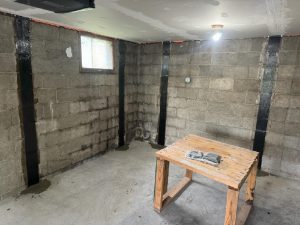 Beneath every home, there’s a foundation serving as its backbone. It’s the unsung hero, largely unnoticed but vital in supporting your home’s structure. Understanding the basics of foundation materials and foundation design aids you in maintaining the integrity of your home.
Foundation materials vary, ranging from concrete, stone, wood, to steel. The choice of material affects the longevity and stability of your foundation. Concrete, for example, is popular for its durability and resistance to moisture. Wood, while less common, is used in areas with dry climates due to its susceptibility to rotting.
Foundation design depends on various factors like soil type, climate, and building load. Footing foundations, spread over a large area, are common in residential homes, reducing the risk of settling. Pile foundations, on the other hand, are used when the soil can’t bear the building’s weight, transferring the load deeper into the ground.
In essence, you’re not just living in a house; you’re living atop a carefully designed and constructed foundation. Knowing this, you’re better equipped to spot potential issues early and protect your home’s value.
Common Types of Foundation Problems
Despite your foundation’s sturdy design and robust materials, problems can still arise. You might notice cracked walls or uneven floors, which are typical signs of foundation issues.
Cracked walls can result from soil settlement or shifts in your home’s structural integrity. The cause could be natural, like an earthquake, or man-made, such as construction nearby.
Uneven floors are another common problem. They can indicate that your home’s foundation is settling unevenly due to changes in the soil beneath it. Soil settlement can happen due to a variety of factors, including poor soil compaction during construction or changes in moisture levels.
Moisture intrusion is a different beast. It can lead to a host of problems, from mold growth to structural damage. If water is seeping into your home through your foundation, it’s a sign that its waterproofing measures have failed.
Detecting Signs of Foundation Damage
Spotting signs of foundation damage early on can save you from expensive repairs down the line. Knowing what to look for is key. Cracks in the walls, especially those that are wider at the top, are often a sign of foundation issues. Doors and windows that don’t close properly might also indicate a problem.
But it’s not enough to just look for visible signs. You need to dig deeper. A foundation inspection can reveal hidden issues that could compromise your home’s structural integrity. Don’t wait until the damage is so severe that it’s impossible to ignore. You’ve got to be proactive.
Hire a professional for a thorough foundation inspection. They’ll be able to spot signs of damage you might miss, like subtle shifts in your home’s structure or small cracks in the concrete.
They can also give you an honest assessment of your home’s structural integrity.
Impact on Home Resale Value
How greatly can foundation issues impact your home’s resale value? The answer is, significantly. Foundation flaws are a major red flag in the resale market. They affect not just the structural integrity of your home, but also buyer perception.
First off, let’s talk about the structural impact. Foundation issues, if left unchecked, can lead to severe damage. This can include everything from uneven floors and cracked walls, to doors that won’t close properly.
These visible signs of damage can greatly diminish your home’s worth.
Just as important is buyer perception. If prospective buyers are aware of existing foundation problems, they’re likely to be wary. They might see it as a potential money pit, requiring expensive repairs down the line.
This perception can make your home less attractive, leading to lower offers, or worse, no offers at all.
It’s not just about the immediate cost of repair. The future resale value of your home can be seriously affected.
Preventive Measures for Foundation Issues
Prevention is often the best solution when it comes to foundation issues. It’s much easier and less expensive to prevent a problem than it’s to fix it.
And when it comes to your home’s foundation, regular maintenance is key.
Foundation maintenance isn’t tough. Start by regularly inspecting your home for signs of foundation issues. Look for cracks in walls, uneven floors, and doors that won’t close properly. If you spot any of these signs, get a professional to check it out immediately.
Soil stabilization is another important preventive measure. The soil around your home can expand and contract with changes in weather and moisture levels. This constant movement can put pressure on your foundation, causing it to crack and shift.
By stabilizing the soil, you can reduce this risk. Soil stabilization techniques include adding organic matter to improve soil structure, installing drainage systems to control water flow, and using rooted plants to hold the soil in place.
Don’t wait until you’ve got a problem on your hands. Be proactive with foundation maintenance and soil stabilization, and keep your home’s value intact.
Frequently Asked Questions
What Are the Costs Associated With Fixing Foundation Problems?
When you’re fixing foundation problems, costs can vary widely.
It’s all based on the severity of the damage and the repair methods used. Minor fixes might run you a few hundred dollars, but major repairs can cost tens of thousands.
Factors like the size of your home, soil condition, and local labor rates also contribute to the final bill.
It’s crucial to get accurate estimates before proceeding.
Does Homeowners Insurance Typically Cover Foundation Repair?
Typically, your homeowner’s insurance doesn’t cover foundation repair. Most policies include insurance exclusions for issues like normal wear and tear or poor construction.
Unexpected events like floods or earthquakes might be covered, but there are coverage limits.
It’s crucial you understand your policy’s exclusions and limits. If you’re unsure, call your insurance company. They’ll give you the specifics so you can make an informed decision.

How Long Does It Take to Repair Foundation Issues?
It really depends on the severity of the issue and the repair methods used.
If you’re dealing with minor cracks, you’re looking at a few days to a week.
However, for major problems, especially with certain foundation types, it could take several weeks to months.
Remember, it’s not just about fixing the problem, it’s about ensuring it doesn’t happen again.
Can I Live in My Home During the Foundation Repair Process?
Yes, you can live in your home during the foundation repair process.
However, it’s not always comfortable or convenient. You may have to deal with noise, dust, and limited access to certain areas.
For your safety and peace of mind, you might consider temporary housing.
It’s best to discuss this with your repair team, as they’ll give you a better idea of what to expect during the process.
Are There Any Specific Signs of Foundation Issues in Multi-Story Houses?
Yes, there are specific signs of foundation issues in multi-story houses.
You’ll likely notice cracked walls and uneven floors. Cracked walls can appear both inside and outside the house, especially around doors and windows.
Uneven floors are also a common sign; you might notice sloping or sagging.
Don’t ignore these signs, as they could indicate serious foundation problems that can significantly decrease your home’s value.
Conclusion
So, you’ve seen how foundation issues can seriously dent your home’s resale value. The telltale signs of damage can turn buyers off, leading to lower offers. It’s not just about the immediate impact, but also the lingering stigma that can hurt future sales. Don’t let foundation problems erode your investment. Be proactive. Detect early, repair promptly and consider preventive measures. It can make all the difference in preserving, and even boosting, your home’s value.

Mike Perry is the esteemed owner of ARK Basement Services, a premier company specializing in basement waterproofing and foundation repair services. Under Mike’s leadership, ARK Basement Services has established itself as a trusted leader in the industry, known for delivering high-quality, reliable solutions to homeowners facing basement and foundation issues. Mike’s commitment to excellence, combined with his extensive knowledge and experience in the field, has been instrumental in building a company that is dedicated to ensuring customer satisfaction and the longevity of their homes. His hands-on approach and dedication to utilizing the latest technologies and methods have set ARK Basement Services apart, making them a go-to provider for those in need of expert basement and foundation services. For more details on Mike Perry’s work and ARK Basement Services, visit their website at https://www.arkbasementservices.com/.