By Mike Perry, ARK Basement Services
Basements are frequently neglected areas that, when exposed to moisture, can produce significant structural damage and indoor air quality issues. Persistent dampness encourages mold growth, which compromises building materials and creates health risks for occupants. This article explains how properly designed basement drainage systems reduce moisture, prevent mold, and protect the building fabric. It also outlines moisture-management techniques, common causes of mold, and why maintaining dryness is essential. Additionally, the role of Ark Basement Services, a Chicago-based company that installs sump pumps, French drains, and foundation waterproofing, is noted as a practical source of proven solutions.
Key Takeaways
- Basement drainage systems prevent mold by effectively controlling moisture and maintaining dry environments.
- Waterproofing, ventilation, and dehumidifiers are essential strategies to reduce basement humidity and mold risk.
- Water intrusion through cracks and leaks significantly increases mold growth potential in basements.
- French drains redirect groundwater away from foundations, minimizing moisture infiltration and mold formation.
- Sump pumps remove accumulated water, preventing flooding and reducing mold-related health hazards.
- Foundation waterproofing and timely repairs enhance drainage efficiency and protect structural integrity.
- Crawlspace waterproofing lowers basement humidity by preventing ground moisture transfer.
- Regular maintenance and professional inspections ensure basement drainage systems function optimally to prevent mold.
- Combining multiple moisture control methods improves indoor air quality and preserves property value.
Effective moisture control strategies for preventing mold growth in basements include:
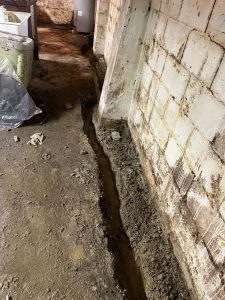 Controlling moisture is the primary measure against basement mold. A combination of targeted interventions reduces humidity and limits the conditions that allow mold to establish. The principal methods are listed below and should be selected based on site conditions and risk factors.
- Waterproofing: A good waterproofing system acts as a barrier to prevent water entry and accumulation in basements.
- Dehumidifiers: These appliances help lower humidity levels, making it more difficult for mold spores to thrive.
- Ventilation: Proper airflow and ventilation reduce humidity and help keep basements dry.
Ark Basement Services focuses on practical moisture-management measures and installs drainage systems designed to integrate with these control strategies.
Significance of Maintaining a Dry Environment
Keeping a basement dry protects occupant health and preserves the building’s structural value. Moist conditions promote mold, which can cause respiratory and allergic symptoms and may degrade finishes and structural materials. A dry basement supports better indoor air quality and helps retain property value, so homeowners should prioritise effective moisture control.
What Causes Mold Growth in Basements and How Does Moisture Contribute?
Mold in basements is driven by excess moisture from sources such as leaking plumbing, groundwater intrusion, and elevated indoor humidity. When water soaks into wood, drywall, or insulation, those materials become breeding grounds for mold. Warmer temperatures can accelerate growth, so it is necessary to manage moisture levels and eliminate persistent wetness.
How Does Water Intrusion Promote Mold Formation?
Water intrusion occurs when groundwater or surface water enters a basement through foundation cracks, gaps, or poorly sealed penetrations. This added moisture supplies the water mold needs to grow on organic and porous construction materials. Without prompt remediation, water intrusion leads to expanding contamination, structural degradation, and increased health risks.
Why Is Proper Basement Moisture Control Essential to Prevent Mold?
Proper moisture control limits mold exposure and protects both health and the building structure. Regular inspections, timely repairs of leaks and cracks, and active moisture-management measures reduce mould prevalence and associated remediation costs. Over time, controlling moisture preserves property value and reduces the need for expensive structural repairs.
Which Basement Drainage Systems Effectively Reduce Moisture and Prevent Mold?
Multiple drainage systems can be used to manage basement moisture. Selection depends on the source of water and the building’s design. The most common systems are described below and often work best in combination.
- Interior Drainage Systems: These systems collect water seeping through walls and floors and direct it to a sump pump.
- Exterior Drainage Systems: Installed around the perimeter of the foundation, these systems channel surface water away from the building.
- Sump Pumps: These devices remove accumulated water from basements, preventing flooding.
Ark Basement Services offers drainage options such as French drains and sump pump installations that address common moisture pathways.
How Do French Drains Manage Groundwater to Protect Basements?
French drains protect foundations by intercepting and redirecting groundwater before it reaches foundation walls. Constructed as a gravel-filled trench with a collection conduit, they relieve hydrostatic pressure and prevent water from pooling against the structure. Correctly designed and installed French drains reduce moisture infiltration and the associated risk of mold.
French Drains: A Strategy for Groundwater Mitigation Using Drainage Systems
A study reported successful integration of French drains with existing storm drainage systems: the storm drains handled surface runoff while the French drains addressed subsurface groundwater. The pilot produced positive outcomes for groundwater mitigation in residential areas.French drains to mitigate groundwater in residential areas, 2002
What Are the Benefits of Sump Pump Installation for Mold Prevention?
Sump pump installation prevents standing water by actively removing accumulated groundwater or infiltration. When paired with suitable drainage, a sump pump reduces flood risk and keeps basement spaces drier over time.
- Flood Prevention: By diverting water quickly, sump pumps help prevent flooding during heavy rains.
- Health Improvements: Keeping the basement dry reduces the chances of mold growth, mitigating health risks to occupants.
- Increased Property Value: A dry, mold-free basement adds to the overall value of the property.
Properly installed sump pump systems are a proven element of an effective mold-prevention strategy.
How Do Foundation Waterproofing and Repair Complement Drainage Systems in Mold Prevention?
Foundation waterproofing and timely repairs work with drainage systems to limit moisture entry. External membranes, interior sealants, and other barriers block water paths, while repairs close cracks and other defects. These measures allow drainage systems to perform efficiently and help maintain a dry basement environment.
What Foundation Waterproofing Techniques Improve Moisture Resistance?
Techniques that improve foundation moisture resistance include external waterproofing membranes applied to the foundation, interior sealants on walls, and drainage boards that channel any incoming water away from the structure.
- External Waterproofing Membranes: These membranes are applied to the foundation exterior to prevent water from penetrating.
- Interior Sealants: Applying sealants on basement walls can effectively block moisture infiltration from the inside.
- Drainage Boards: These are installed along foundation walls to redirect any incoming water away from the structure.
Applying these methods, usually by qualified contractors such as Ark Basement Services, reduces the likelihood of moisture intrusion and supports long-term dryness.
How Does Timely Foundation Repair Support Structural Integrity and Moisture Control?
Addressing foundation damage promptly preserves structural support and reduces moisture pathways. Visible signs—wall cracks, uneven floors, or shifting—should be evaluated and repaired to prevent water entry. Routine inspections and timely intervention help avoid escalated repairs and minimise mold risk.
What Role Do Crawlspace Waterproofing and Dehumidifiers Play in Basement Mold Prevention?
Crawlspace waterproofing and dehumidification are complementary measures that lower ambient humidity and limit moisture transfer into basements. Sealing the crawlspace reduces ground vapour intrusion, while dehumidifiers maintain humidity at levels that discourage mold growth. Together, these approaches improve indoor air quality and reduce long-term mould potential.
How Does Crawlspace Waterproofing Reduce Humidity in Adjacent Basements?
Sealing or waterproofing a crawlspace limits soil moisture and reduces condensation below the floor structure. This containment prevents upward transfer of humidity into the basement and adjacent living areas, which supports overall mould prevention efforts.
When Should Dehumidifiers Be Used to Complement Drainage Solutions?
Dehumidifiers are appropriate where ambient humidity remains high despite drainage and waterproofing. They are particularly useful after heavy rainfall, in humid climates, or as a preventative measure in spaces known to retain moisture. Using dehumidifiers alongside drainage systems strengthens moisture control.
- Post-Heavy Rainfall: Following intense rain, dehumidifiers can assist in reducing elevated humidity levels.
- High Internal Humidity: In humid climates, dehumidifiers help maintain comfortable and dry conditions.
- Preventative Measures: Regular use can mitigate potential mold growth before it starts.
When integrated with existing drainage measures, dehumidifiers improve the overall effectiveness of moisture management.
How Can Homeowners Maintain Basement Drainage Systems to Ensure Long-Term Mold Prevention?
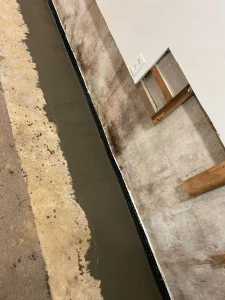 Homeowners should adopt routine maintenance practices to keep drainage systems operational. Regular checks and modest upkeep prevent blockages and extend component life, reducing the chance of water-related failures.
- Regular Inspections: Check for blockages in pipes and drains at least semi-annually.
- Routine Cleaning: Keep sump pumps and drains free from debris to ensure proper functionality.
- Moisture Monitoring: Use hygrometers to track humidity levels and adjust dehumidifiers as needed.
Consistent maintenance preserves system performance and lowers the ongoing risk of moisture accumulation and mould.
What Are Best Practices for Inspecting and Upkeeping Basement Drainage Components?
Adopt a scheduled approach to inspections and maintenance to sustain drainage reliability. Clear, documented checks make it easier to identify wear and potential failures early.
- Frequency of Inspections: Conduct inspections twice a year, especially before and after heavy rain seasons.
- Signs of Wear and Tear: Look for signs of corrosion or damage in drainage pipes and sump pumps.
- Professional Evaluations: Employ professionals for comprehensive evaluations to identify potential issues early.
Following these routines supports effective moisture control and reduces the likelihood of costly remediation later.
Why Is Professional Inspection Important for Sustained Moisture Control?
Professional inspections identify hidden leaks, assess system performance, and evaluate structural conditions that homeowners might miss. Early professional detection of minor faults prevents escalation, ensures correct repairs, and confirms that moisture-control measures are functioning as intended. Engaging qualified technicians helps protect the property from prolonged moisture exposure and mould development.
Frequently Asked Questions
What should I look for during a basement moisture inspection?
Inspect for visible dampness, discolored or peeling finishes, mold stains, and musty odors. Check for cracks in walls or floors, examine gutters and downspouts, and verify that sump pumps and drainage lines are clear and operational. Use a hygrometer to measure humidity and document areas of concern so issues can be addressed promptly.
How can landscaping affect basement drainage?
Landscaping affects how water moves around the home. Ensure exterior grading slopes away from the foundation, position planting beds and trees to avoid concentrated runoff near the base, and prevent roots from compromising drainage lines. Features such as rain gardens or retaining walls can help manage surface water and reduce infiltration risk.
What are signs that my basement drainage system needs repair?
Persistent dampness, recurring mold, or visible pooling indicates potential system failure. Frequent or noisy sump pump operation and consistently high sump-basin water levels after rain are further warnings. These signs merit timely inspection and, if needed, repair by a professional.
Can I install basement drainage systems myself?
While some homeowners may perform basic tasks, full drainage-system installation is complex and requires knowledge of building codes, soil and water flow assessment, and correct installation techniques. Professional installers have the experience and equipment to ensure systems function correctly and comply with regulations, which reduces the risk of future failures.
How long do basement drainage systems last?
Lifespan depends on installation quality, maintenance frequency, and environmental conditions. Properly installed systems typically function for 10 to 30 years. Regular inspections and routine upkeep extend service life and maintain reliable performance.
Are there environmental effects of basement drainage systems?
Drainage systems can change local water movement, which may have ecological effects if not planned appropriately. Well-designed systems that follow local water-management practices can reduce flooding risk and protect nearby ecosystems. Sustainable options such as rain gardens and permeable paving can mitigate adverse impacts when integrated into the overall design.
What is the best time of year to inspect basement drainage systems?
Inspect systems in spring and fall. Spring checks reveal conditions after snowmelt and thaw, while fall inspections prepare systems for winter precipitation. Seasonal reviews help identify issues before they cause significant moisture problems.
Conclusion
Effective basement drainage is fundamental to controlling moisture and preventing mold, thereby protecting both property value and occupant health. By recognizing common sources of water intrusion and installing reliable measures—such as sump pumps and French drains—homeowners can maintain a drier environment. Regular maintenance and professional inspections sustain system performance. Take proactive steps to reduce moisture-related risks and consult qualified providers about suitable moisture-management options for your home.

Mike Perry is the esteemed owner of ARK Basement Services, a premier company specializing in basement waterproofing and foundation repair services. Under Mike’s leadership, ARK Basement Services has established itself as a trusted leader in the industry, known for delivering high-quality, reliable solutions to homeowners facing basement and foundation issues. Mike’s commitment to excellence, combined with his extensive knowledge and experience in the field, has been instrumental in building a company that is dedicated to ensuring customer satisfaction and the longevity of their homes. His hands-on approach and dedication to utilizing the latest technologies and methods have set ARK Basement Services apart, making them a go-to provider for those in need of expert basement and foundation services. For more details on Mike Perry’s work and ARK Basement Services, visit their website at https://www.arkbasementservices.com/.