Crawlspaces are frequently neglected, yet they influence a property’s structural condition and indoor air quality. Proper crawl space drainage prevents moisture buildup that leads to mold and deterioration. This article describes practical solutions—encapsulation, sump pumps, and grading—and explains how each reduces moisture risks. Homeowners who understand these options can make informed choices to protect their property. Sections cover encapsulation, interior drainage, sump pump installation, and professional waterproofing services.
Key Takeaways
- Effective crawlspace drainage systems prevent moisture accumulation, protecting homes from mold growth and structural damage.
- Crawlspace encapsulation uses vapor barriers to reduce humidity and improve indoor air quality and energy efficiency.
- Interior drainage systems, including French drains and sump pumps, redirect water away from the foundation effectively.
- Proper grading and drainage techniques ensure water flows away from the foundation, minimizing moisture intrusion risks.
- Regular maintenance and inspections of sump pumps and drainage systems are essential for long-term moisture control.
- Sealing cracks and gaps in foundations prevents water and air leaks that contribute to crawlspace moisture problems.
- Improving crawlspace ventilation helps control humidity levels and supports a healthier indoor environment.
- Professional waterproofing services provide comprehensive assessments, installations, and maintenance plans for effective moisture protection.
- Coordinating drainage solutions with foundation repair enhances home stability and prevents further structural issues.
Crawlspace Encapsulation
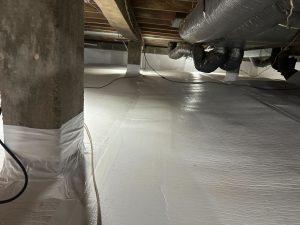 Encapsulation seals the crawlspace with a durable vapor barrier to limit ground moisture and external humidity. This creates a controlled environment that lowers relative humidity, reducing the likelihood of mold and decay. Encapsulation also limits the transfer of damp air into living spaces and can lower heating and cooling demands.
Homeowners considering encapsulation should obtain a professional assessment to determine the appropriate materials and scope. Ark Basement Services provides targeted crawlspace waterproofing solutions designed for long-term moisture control.
Interior Drainage Systems
Interior drainage systems collect water that reaches the crawlspace and move it away from the foundation. These systems combine drainage piping with sump pumps to control and remove infiltrating water. Common interior drainage options include:
- French Drains: Trenches filled with gravel and a perforated pipe that capture and divert groundwater away from the crawl space.
- Interior Drainage Channels: Perimeter channels that collect water and direct it to a sump pit.
- Sump Pump Systems: Pumps that remove collected water and discharge it to a safe outlet.
A correctly designed interior drainage system reduces water damage risk and supports a drier, healthier space beneath the home.
Sump Pump Installation
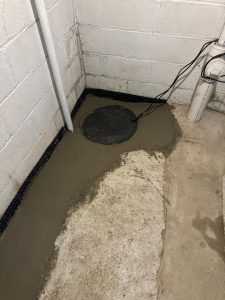
Sump pump installation is a central element of many crawlspace drainage strategies. Sump pumps collect water in a sump pit and pump it through a discharge line to an approved drainage area. Installation typically requires excavating a pit, seating the pump, and installing a discharge path that prevents water from returning to the foundation.
Routine maintenance is necessary to preserve pump performance. Homeowners should test pump operation, clear the sump pit of debris, and inspect discharge lines. Adding a battery backup system protects operation during power outages and heavy storms.
Proper Grading and Drainage
Correct grading around the foundation directs surface water away from the home. The soil should slope away to reduce pooling near foundation walls. Effective grading methods include:
- Adjusting Soil Levels: Raising low areas to create a consistent slope away from the foundation.
- Installing Drainage Swales: Shallow channels that carry runoff away from the building.
- Using Downspout Extensions: Lengthened downspouts that deposit roof runoff well clear of the foundation.
Maintaining proper grading and surface drainage reduces the volume of water that can reach the crawlspace and foundation walls.
Ventilation Improvement
Improved ventilation helps manage crawlspace humidity and prevents stagnant air. Adequate airflow reduces moisture accumulation and the conditions that support mold. Common ventilation approaches include:
- Installing Vents: Vents allow outdoor air exchange where appropriate for the climate.
- Using Fans: Exhaust or circulation fans accelerate air movement and lower humidity.
- Sealing Off Unused Vents: Closing unnecessary openings can prevent outside moisture from entering in certain conditions.
When ventilation is matched to site conditions, it complements drainage and encapsulation to produce a more stable crawlspace environment.
Sealing Cracks and Gaps
Sealing visible cracks and gaps is a practical step to limit water and air entry. Typical areas to inspect include:
- Foundation Walls: Repair and seal visible cracks with appropriate materials.
- Around Pipes and Ducts: Seal penetrations to prevent moisture and air leaks.
- Crawl Space Access Points: Ensure doors and hatches close tightly and are weatherproofed.
Addressing these vulnerabilities reduces pathways for moisture and supports the overall drainage strategy.
Regular Inspections and Maintenance
Scheduled inspections and maintenance keep drainage systems operating as intended. Homeowners should arrange at least annual reviews for signs of moisture, mold, or structural compromise. During inspections, pay attention to:
- Look for Water Accumulation: Identify standing water, damp spots, or persistent wet areas.
- Inspect the Vapor Barrier: Verify the barrier is intact and seams are sealed.
- Examine the Sump Pump: Test pump activation and inspect related components.
Proactive maintenance identifies problems early and prevents escalation that could lead to costly repairs.
Monitoring Humidity Levels
Monitoring humidity in the crawlspace is fundamental to moisture control. Use hygrometers to verify relative humidity stays within the recommended 30–50% range. Levels above this range increase the risk of mold and structural deterioration and should prompt corrective action.
When humidity is elevated, install a suitable dehumidifier sized for the space. Regular checks and adjustments of the dehumidifier ensure efficient performance and maintain target humidity levels.
Professional Waterproofing Services
Professional waterproofing offers a thorough assessment and a tailored plan for persistent moisture issues. Typical service components include:
- Assessment of the Crawl Space: Identify ingress points, moisture sources, and material conditions.
- Installation of Advanced Systems: Fit high-quality drainage, pumping, and vapor barrier systems to site requirements.
- Long-Term Maintenance Plans: Provide scheduled service and system checks to preserve performance.
Ark Basement Services delivers basement, crawlspace, and foundation waterproofing and repair solutions intended to provide durable moisture protection and homeowner confidence.
What Are the Key Components of Effective Crawlspace Drainage Systems?
Effective drainage systems combine several elements that work together to control moisture. Key components include:
- Vapor Barriers: Prevent ground moisture from entering the crawspace.
- Drainage Pipes: Collect and convey water away from the foundation.
- Sump Pumps: Actively remove accumulated water from the crawlspace.
Recognizing these components clarifies why a coordinated approach is necessary for reliable moisture management.
How Do Crawl Space Waterproofing and Vapor Barriers Work Together?
Waterproofing methods and vapor barriers form complementary defenses. Waterproofing seals cracks and directs water away from the structure. Vapor barriers block moisture vapor rising from the ground. Used together, they reduce both liquid water entry and airborne moisture, yielding comprehensive protection.
What Roles Do Sump Pumps and French Drains Play in Water Management?
Sump pumps and French drains perform distinct but related roles. Sump pumps remove water collected in a sump pit and discharge it away from the property. French drains collect subsurface water and channel it to the sump or another safe outlet. Combined, they reduce flood risk and control groundwater near the foundation.
How Can Homeowners Install and Maintain Crawlspace Drainage Solutions?
Homeowners can follow a clear sequence to implement and maintain drainage solutions:
- Assess the Crawlspace: Identify moisture sources and vulnerable areas.
- Install a Vapor Barrier: Place a ground cover to reduce vapor migration.
- Set Up Drainage Systems: Install French drains and sump pumps where required.
- Regular Maintenance: Inspect and clean systems to ensure continued operation.
Adhering to these steps creates a dependable drainage system that safeguards the property from moisture damage.
What Are the Step-by-Step Procedures for Installing Drainage Systems?
Typical installation steps for crawlspace drainage systems include:
- Excavate the Area: Dig a trench for the French drain around the crawlspace perimeter.
- Lay the Drainage Pipe: Position perforated pipe with a slope that directs water away from the foundation.
- Cover with Gravel: Backfill the trench with gravel to promote flow into the pipe.
- Install the Sump Pump: Excavate a sump pit and install the pump per manufacturer guidance.
Following these procedures produces a functional system that manages water efficiently and reliably.
How Often Should Crawlspace Drainage Systems Be Inspected and Maintained?
Inspect drainage systems at least annually, and perform maintenance as needed. Check for clogged pipes, compromised vapor barriers, and sump pump failures. Routine tasks include cleaning the sump pit, verifying seals, and removing debris from drain paths.
What Are the Benefits of Crawlspace Encapsulation and Moisture Control?
Encapsulation and moisture control deliver measurable benefits, such as:
- Improved Indoor Air Quality: Lower humidity reduces mold and allergens.
- Energy Efficiency: Stable crawlspace conditions reduce heating and cooling loads.
- Structural Integrity: Limiting moisture protects wood members and the foundation.
These outcomes demonstrate the long-term value of investing in effective moisture control measures.
How Does Encapsulation Improve Indoor Air Quality and Energy Efficiency?
Encapsulation prevents damp air from entering living areas, reducing mold growth and airborne allergens. By stabilizing the crawlspace environment, encapsulation also reduces thermal loss, which can lower energy consumption and associated costs.
In What Ways Does Moisture Control Prevent Mold and Structural Damage?
Moisture control limits the conditions that allow mold to grow and that cause material decay. By keeping humidity and water levels under control, homeowners reduce the risk of wood rot, pest attraction, and foundation deterioration.
Crawl Space Moisture Management: Preventing Fungal Growth and Contamination
Crawl space foundations are commonly employed in buildings and detached residences, particularly in Northern climates. The relative humidity within these crawl spaces is the most critical determinant for fungal growth on structural components. Potential contaminants present in the crawl space can be transported into the occupied indoor spaces if the interior pressure is lower. This study aimed to identify key properties of ground covers and optimal air exchange rates for controlling moisture conditions in outdoor air-ventilated crawl spaces situated in cold climates, and to assess the acceptability of existing moisture levels with respect to material durability.
Moisture and fungal spore transport in outdoor air-ventilated crawl spaces in a cold climate, M Airaksinen, 2003
How Do Crawlspace Drainage Systems Integrate with Foundation Repair Services?
Drainage systems and foundation repair are interdependent. Proper drainage reduces hydrostatic pressure and water exposure that can cause foundation movement. When addressing foundation defects, resolving drainage failures is often a prerequisite to prevent recurrence and to support long-term structural repair.
Why Is Coordinating Drainage and Foundation Repair Essential for Home Stability?
Coordinated drainage and foundation work preserves home stability by addressing both the cause and the symptom. Water near the foundation contributes to settling and cracking; combining repair with effective drainage prevents further movement and strengthens the overall solution.
Building and Lot-Scale Flood Mitigation: Foundation Drainage Systems
Flood management mitigation techniques implemented at the building and lot scale (or private-side) effectively reduce the risk of basement flooding for individual homes. These strategies encompass backwater valves, which mitigate sewer surcharge into basements, low impact development strategies to decrease runoff entering municipal sewer systems, and foundation drainage systems designed to lessen the risk of infiltration flooding. To ascertain the suitability and ensure the successful deployment of private-side flood mitigation approaches across diverse and complex site-specific conditions, further research into the performance of these measures is essential.
Reducing the risk of basement flooding through building-and lot-scale flood mitigation approaches: performance of foundation drainage systems, B Kaur, 2021
What Solutions Does Ark Basement Services Offer for Foundation and Drainage Issues?
Ark Basement Services provides several solutions for foundation and drainage concerns, including
- Crawlspace Waterproofing: Comprehensive waterproofing solutions to protect against moisture.
- Sump Pump Installation: Reliable sump pump systems to manage water accumulation.
- Foundation Repair Services: Expert assessments and repairs to ensure structural integrity.
These services equip homeowners with practical measures to limit moisture damage and preserve structural performance.
What Are the Typical Costs and Warranty Options for Crawlspace Drainage Systems?
Costs for crawlspace drainage systems depend on installation complexity and selected components. Typical expenses cover materials, labour, and any site-specific work. Warranties commonly include coverage for installed components and workmanship to provide homeowner assurance.
How Do Costs Vary Among Different Drainage Solutions?
Costs vary with system type, crawlspace size, and material quality. A basic French drain generally costs less than a full sump pump and encapsulation package. Obtain professional estimates to determine the best option for the property’s conditions and budget.
What Warranty and Service Guarantees Should Homeowners Expect?
Homeowners should expect warranties that address both parts and installation. Terms may range widely depending on the product and service level. Review warranty documentation carefully to understand covered items, durations, and any maintenance requirements that affect coverage.
What Are Common Questions About Crawlspace Drainage Systems?
Homeowners commonly ask about need, installation, and upkeep. Typical concerns include whether drainage is required, whether a DIY approach is appropriate, and what maintenance is necessary to keep systems effective.
- How do I know if my crawlspace needs drainage? Signs include moisture accumulation, mold growth, and musty odors.
- Can I install a drainage system myself? While some homeowners may attempt DIY installations, professional assistance is recommended for optimal results.
- What maintenance is required for drainage systems? Regular inspections and cleaning of sump pumps and drainage pipes are essential for long-term effectiveness.
Clear answers to these inquiries help homeowners choose the most reliable and cost-effective solutions.
How Does a Crawlspace Drainage System Prevent Flooding?
Drainage systems prevent flooding by collecting, conveying, and removing water before it accumulates against the foundation. Properly installed drainage pipes and sump pumps redirect water to a safe discharge point, reducing the likelihood of standing water in the crawlspace.
Can a Sump Pump Alone Protect Against Crawlspace Water Intrusion?
A sump pump is an important component but not a standalone solution in many cases. Combining a pump with perimeter drainage, grading, and vapor control provides a more complete defence against water intrusion and flooding.
What Maintenance Is Required to Ensure Long-Term Drainage Effectiveness?
Maintain drainage performance by performing routine checks and cleaning. Key tasks include:
- Inspecting Sump Pumps: Test function and remove debris from the pit.
- Cleaning Drainage Pipes: Clear blockages and verify free flow.
- Monitoring Humidity Levels: Use a hygrometer and adjust dehumidifiers as required.
Consistent maintenance extends system life and protects the property from moisture-related damage.
Effective crawlspace drainage protects a home’s structure and indoor environment. Encapsulation, sump pumps, proper grading, and regular maintenance work together to reduce moisture risk and preserve integrity. Professional assessment and planned upkeep reinforce these measures and provide reliable, long-term protection. Contact a qualified provider to evaluate options and implement the best solution for your property.
Frequently Asked Questions
What are the signs that my crawlspace needs drainage solutions?
Indicators that a crawlspace requires drainage include visible moisture, mold or mildew growth, and persistent musty odours. Water stains on walls or floors and relative humidity consistently above 50% are further signs that a drainage system may be necessary to prevent ongoing damage.
How can I improve ventilation in my crawlspace?
Improve ventilation by installing appropriately placed vents, adding exhaust or circulation fans, and, where required, sealing unused openings that admit outside moisture. Monitor humidity to confirm that ventilation adjustments are effective for the specific climate and site conditions.
What should I include in a regular maintenance plan for my crawlspace drainage system?
A maintenance plan should include annual inspections for moisture and structural issues, routine cleaning of the sump pit, clearing debris from drainage lines, and regular humidity monitoring with a hygrometer. Record maintenance activities to track system performance over time.
Are there any DIY options for crawlspace drainage systems?
Homeowners can perform minor tasks, such as clearing debris or applying sealants to small cracks, but comprehensive installations—sump pumps, French drains, and full encapsulation—are best handled by professionals to ensure correct design and long-term reliability.
How do I choose the right drainage system for my crawlspace?
Select a drainage solution by assessing local moisture conditions, crawlspace size and layout, and existing drainage measures. Consult a professional to determine whether options such as sump pumps, French drains, or encapsulation provide the best performance for the property and budget.
What are the long-term benefits of investing in crawlspace drainage solutions?
Long-term benefits include reduced moisture-related deterioration, improved indoor air quality, lower energy costs through improved thermal conditions, and protection of structural components. These advantages contribute to lower maintenance costs and can increase property resale value.