So, you’re considering installing a sump pump in your crawlspace. It’s a smart move, especially given the potential for water damage in these often-neglected areas. But what exactly does the installation process entail? What kind of maintenance is required post-installation? And most importantly, what should you expect regarding performance and reliability? Let’s unpack these questions together, giving you a better grasp on what lies ahead in your home improvement journey.
Key Takeaways
- Expect to assess your crawlspace for moisture, water accumulation, and accessibility prior to installation.
- You’ll need to choose a pump with the right size, capacity, and material based on your home’s specific needs.
- The installation process involves digging a sump basin, securing it with gravel, and connecting the pump to a discharge pipe.
- Post-installation, regular maintenance includes testing pump operation, cleaning the sump pit, and checking the discharge line for obstructions.
- Monitor the pump’s efficiency, discharge rate, noise levels, and power consumption to ensure optimal operation and longevity.
Understanding Crawlspace Sump Pumps
 A crawlspace sump pump might seem like a challenging piece of machinery, but once you understand its purpose and functionality, it’s not so intimidating. This little device plays a pivotal role in protecting your home from water damage.
It’s fundamentally a pump installed in the lowest part of your crawlspace that works to prevent groundwater from rising and causing damage to your home’s foundation.
Your sump pump primarily serves to remove excess water. Whenever it rains heavily, or snow melts quickly, water can accumulate around your home’s foundation. This water can then penetrate the crawlspace and cause havoc.
That’s where your sump pump comes in. It’s designed to pump out this water and redirect it away from your home.
The sump pump activates automatically when the water level in the sump pit reaches a certain level. It’s a vigilant guardian, working even when you’re not at home.
The pump pushes the water out and away from your home, preventing potential water damage.
Understanding your crawlspace sump pump is your first step in the installation process. It’s a simple, yet powerful tool in safeguarding your home’s foundation.
Pre-Installation Considerations
Before you start installing your sump pump, there are a few key considerations you need to keep in mind.
First, you’ll want to assess your crawlspace to understand what you’re working with.
Then, you’ll need to choose the right pump for your needs and prepare for the installation process.
Assessing Your Crawlspace
Diving into the depths of your crawlspace mightn’t be your idea of a fun afternoon, but it’s important to take this step before installing a sump pump.
It’s not just about placing the pump and hoping for the best. There’s a lot to think about, and it all starts with a thorough assessment.
Start by checking for signs of water accumulation. You’re looking for puddles, damp spots, or water stains on the walls and floor. If there’s a moisture problem, it’s more than likely that a sump pump is needed.
Next, examine the size of your crawlspace. This will dictate the size and capacity of the pump you’ll need. Pay attention to the height and area of your crawlspace as these are vital factors in pump selection.
- Is your crawlspace easy to access?
- Can you spot any cracks or leaks in the walls or floor?
- How damp or dry is the environment?
- Does your crawlspace have a dirt or concrete floor?
- Can you spot any signs of mold or mildew?
These questions will guide you in making an informed decision about the type of sump pump you’ll need.
Choosing the Right Pump
Having assessed your crawlspace, it’s now time to pick the right sump pump. You’re not just choosing any pump, but one that’ll efficiently manage your crawlspace’s unique needs.
First, consider the pump’s horsepower. Most homes require a 1/3 to 1/2 horsepower pump, but if you’ve got a larger area or higher water tables, you might need more power.
Next, look at the pump’s construction. Cast iron pumps disperse heat better and last longer than plastic models. However, they’re more expensive. Balance your budget with your long-term needs.
Lastly, check the pump type. Submersible pumps, installed under water, are quiet and efficient but harder to service. Pedestal pumps, on the other hand, are easy to maintain but noisier.
Remember, you want a sump pump that’s reliable, easy to service, and powerful enough for your needs. Don’t rush this decision – your property’s integrity depends on it.
Pick wisely and you’ll have peace of mind for years to come.
In our next section, we’ll discuss “Preparing for Installation”. Stay tuned!
Preparing for Installation
With the ideal sump pump in hand, you’re ready to gear up for the installation process.
But before you dive right in, there are some important pre-installation considerations to keep in mind. This step is vital as it sets the stage for a successful installation, ensuring your home is protected from potential water damage.
Firstly, assess the condition of your crawlspace. Is it dry, damp, or outrightly flooded? The state of your crawlspace will directly impact the type of sump pump system you’ll need.
Here’s a quick checklist to help you prepare:
- Clear the area: Make sure the installation site is free of debris. This not only makes your job easier but prevents damage to your new pump.
- Check for power: You’ll need an electrical source nearby to power the pump. If one isn’t available, you may need to call in an electrician.
- Inspect the foundation: Look for cracks or other signs of damage. They’ll need to be fixed before the installation.
- Measure the space: The size of your crawlspace may dictate the type and size of pump you can install.
- Plan for water disposal: Where will the pumped water go? Plan an appropriate discharge location.
The Installation Process Detailed
The installation of a crawlspace sump pump is a process that requires careful planning and execution.
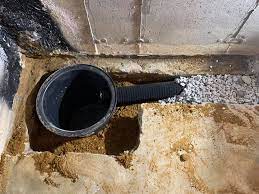
You’ll first need to dig a hole in the lowest part of the crawlspace, deep enough to fit the sump basin. It’s important to guarantee this hole is level and stable; you’re laying the foundation for your pump here.
Next, you’ll place the basin in the hole and fill around it with gravel. This helps with drainage and keeps the basin secure.
Once that’s done, you’re ready to install the sump pump. You’ll attach it to a PVC pipe that runs out of your crawlspace and away from your home.
After attaching the pump, place it inside the basin and connect it to a power source. You’ll want to test the pump by pouring water into the basin and watching it activate.
Post-Installation Maintenance Tips
Regular maintenance of your newly installed sump pump is essential for its longevity and ideal performance. Neglect can lead to faults, causing stress and unexpected expenses.
It’s in your hands to keep your sump pump functioning smoothly and efficiently.
Here are some post-installation maintenance tips that’ll help you avoid potential headaches:
- Test regularly: Run tests every few months. Pour a bucket of water into the pit and verify the pump switches on and off correctly. You’ll feel a rush of relief knowing it’s working fine.
- Clean the pit: Regular cleaning prevents clogs. You’ll appreciate the peace of mind knowing your pump won’t fail due to blockages.
- Check the power source: Regularly inspect the power cord and outlet for damage. It’s empowering to be proactive and prevent electrical faults.
- Inspect the discharge line: Make sure it’s unblocked and correctly positioned. You’ll feel secure knowing your property is protected from water damage.
- Listen to your pump: Unusual noises might indicate a problem. You’ll feel accomplished catching issues early.
Potential Installation Challenges
While proper maintenance of your sump pump can save you a lot of trouble, it’s equally important to keep an eye on potential issues during the installation process.
Installing a sump pump in a crawlspace can present a unique set of challenges that you need to be prepared for.
First, you might encounter a tight space. This can make it difficult to navigate and carry out the installation properly. You’ll need to be agile and have a good understanding of the process to avoid any mishaps.
Next, there’s the issue of moisture. Crawlspaces are typically damp and can even be flooded in some cases. This can make the installation process more complex and potentially hazardous. Using waterproof materials and tools, and wearing the right safety gear will be essential.
Finally, improper sump pit sizing could be a problem. If the pit is too small, your sump pump may not function as effectively. Conversely, if it’s too large, it could lead to unnecessary water collection.
Evaluating Sump Pump Performance
 After installation, consistent assessment of your sump pump’s performance is vital.
Don’t assume everything’s okay because the unit is new. Regular checks guarantee your pump’s reliability and longevity, offering you peace of mind during wet seasons.
To evaluate your sump pump, pay close attention to these vital aspects:
- Pump operation: Confirm your pump kicks into action when it’s supposed to. You don’t want to be caught off guard when heavy rains hit.
- Discharge rate: Is the pump evacuating water at the expected rate? If not, you may face flooding issues.
- Noise: Unusual sounds may indicate a problem. Your pump should run smoothly and quietly.
- Power consumption: If it’s using more power than necessary, it could be a sign of inefficiency.
- Maintenance needs: Regular cleanings and inspections help your pump stay functional. Don’t neglect them.
Conclusion
So, you’re now well versed in what to expect when installing a crawlspace sump pump. From pre-installation assessments to potential challenges, we’ve covered it all. Remember, regular maintenance is key to keep your system functioning efficiently. Don’t let water damage catch you off guard. Stay proactive, and your sump pump will do its job, giving you peace of mind. Armed with this knowledge, you’re ready to tackle your crawlspace sump pump installation with confidence.

Mike Perry is the esteemed owner of ARK Basement Services, a premier company specializing in basement waterproofing and foundation repair services. Under Mike’s leadership, ARK Basement Services has established itself as a trusted leader in the industry, known for delivering high-quality, reliable solutions to homeowners facing basement and foundation issues. Mike’s commitment to excellence, combined with his extensive knowledge and experience in the field, has been instrumental in building a company that is dedicated to ensuring customer satisfaction and the longevity of their homes. His hands-on approach and dedication to utilizing the latest technologies and methods have set ARK Basement Services apart, making them a go-to provider for those in need of expert basement and foundation services. For more details on Mike Perry’s work and ARK Basement Services, visit their website at https://www.arkbasementservices.com/.