When it comes to safeguarding your basement from flooding, you’ve likely considered a backup sump pump. But have you given thought to how it’s powered? You’re faced with two leading options: battery-powered or water-powered systems. Each has its merits and drawbacks, and the ideal choice often hinges on your specific circumstances. From maintenance requirements to operational costs, let’s weigh the pros and cons of these two key players in the sump pump world. Surely, you’re curious which system would better serve your needs, aren’t you?
Key Takeaways
- Battery-powered backup sump pumps operate independently of home power and require regular maintenance, including battery replacement every 2 to 5 years.
- Water-powered backup sump pumps use home’s water pressure to function, require less maintenance, and can have an indefinite lifespan with proper care.
- Both systems are designed to kick in during primary pump failure or power outage, protecting against basement flooding.
- Battery-powered systems have a lower initial cost but higher maintenance cost due to battery replacements, while water-powered systems may have higher installation costs but lower long-term expenses.
- Considering flood risks in your area is crucial in choosing between these systems; high-risk areas may benefit from a more robust system.
Understanding Backup Sump Pumps

Often, homeowners overlook the importance of backup sump pumps until it’s too late.
It’s only when your basement is flooded and your valuables are damaged that you realize the essential role these systems play. So, let’s understand what they’re and why they’re important.
A backup sump pump is your safety net during power outages, primary pump failures, or excessive water flow.
They’re designed to kick into action when your main pump can’t cope or isn’t working.
Imagine you’re away on vacation and a heavy storm hits your area. If your primary pump fails and there’s no backup, you’ll return to a disaster.
With a backup pump, you’ll have peace of mind and protection.
Whether it’s battery-powered or water-powered, a backup sump pump offers an additional layer of defense against water damage.
It’s an investment that can save you from costly repairs and heartbreaking losses.
How Battery-Powered Systems Work
You might wonder how battery-powered systems in backup sump pumps work.
Well, it’s about understanding the system, learning the installation process, and knowing the necessary maintenance steps.
Let’s start exploring these aspects for a better grip on the whole concept.
Understanding Battery-Powered Systems
In the domain of backup sump pumps, battery-powered systems stand out as a reliable choice. They’re designed to kick in when your primary sump pump fails, ensuring that your basement stays dry even during power outages.
But how do they work?
- Activation: Battery-powered backup sump pumps activate when the water level in your sump pit rises above a certain point. This rise usually occurs when your primary pump fails or can’t keep up with the incoming water.
- Power Source: These systems run on battery power. They’re equipped with a built-in battery charger that keeps the battery topped up when your home’s electricity is on.
- Pump Operation: Once activated, the backup pump starts pushing water out of your basement, just like your primary pump. It continues to operate until the water level decreases to a safe level.
- Maintenance: Battery-powered systems require regular maintenance. You’ll need to check the battery’s state of charge and water level regularly, and replace the battery every few years.
Understanding these basics will help you keep your battery-powered backup sump pump in top shape.
In our next segment, we’ll explore the battery system installation process.
Battery System Installation Process
Now that you’re well-versed in the basics of how battery-powered backup sump pumps operate, it’s time to get your hands dirty with the installation process.
Don’t worry, it’s not as complicated as it may sound. With the right tools and a bit of patience, you’ll have your system up and running in no time.
Begin by finding an ideal location for your pump, preferably close to your main sump pump. You’ll need a dedicated electrical outlet nearby for the battery charger. Make sure it’s a GFCI outlet to avoid risking electrical shocks.
Then, place your pump in the sump pit, confirming it’s sitting level.
Next, you’ll connect the pump to the discharge pipe. This is the pipe that routes water away from your home. Make sure it’s snug to prevent leaks.
Connect the battery cables to the pump next, followed by the battery charger to the battery.
Then, plug the charger into the outlet and verify it’s functioning properly. You’ll know the system is working if the indicator light turns on.
Maintenance for Battery Systems
To keep your battery backup sump pump in tip-top shape, regular maintenance is key. Just like your car battery, your sump pump battery needs attention to guarantee it won’t let you down when you need it the most.
Here are four simple steps to keep your system running smoothly:
- Check the Battery Fluid Level: Just like in a car, your battery’s fluid level can drop over time. You’ll need to top it off with distilled water when it gets low.
- Clean the Battery Terminals: Over time, corrosion can build up on your battery terminals. This can lead to a weak connection and decreased performance. Clean them regularly to guarantee peak performance.
- Regularly Test the System: Don’t wait for a flood to find out your pump isn’t working. Test it regularly to guarantee it’s ready to go when you need it.
- Replace the Battery Every Few Years: Even with the best maintenance, batteries degrade over time. Most manufacturers recommend replacing them every two to three years.
With these simple steps, you can guarantee your battery backup sump pump is always ready to protect your home from water damage.
Pros of Battery-Powered Pumps
When you’re dealing with flooding, battery-powered sump pumps can really bail you out. You might be wondering why. Well, let’s explore the benefits of these devices.
One major advantage is they don’t rely on your home’s power supply. So, when a storm hits and the power’s out, you’re not left high and dry. They kick in automatically when the main pump fails. That’s peace of mind you can count on!
Battery-powered pumps are also pretty easy to install. You don’t need a plumber’s expertise or a hefty budget. Most models are DIY friendly, saving you time and money.
And let’s not forget versatility. These pumps can work in conjunction with your main pump, or step in as a standalone in emergency situations.
Lastly, they’re compact and quiet. You can install them without disrupting your home’s layout or peace. No more loud humming or space-stealing machinery. Just reliable, out-of-sight protection.
In short, battery-powered sump pumps offer you a reliable, versatile, and convenient solution. They’re an investment worth considering, ensuring you’re ready for whatever Mother Nature throws your way.
Cons of Battery-Powered Pumps
While battery-powered pumps offer some distinct advantages, they also come with their own set of drawbacks.
You might find the limited lifespan of the batteries frustrating, leading to unexpected failures when you need the pump most.
Also, the ongoing maintenance and replacement costs can add up over time, resulting in a higher total cost of ownership.
Limited Battery Lifespan
Even though battery-powered sump pumps can be a lifesaver during power outages, their battery lifespan is a significant downside. You might be thinking, “How bad can it be?” Well, it’s important to understand that like any other battery-powered device, sump pumps also have a limited battery lifespan.
Here’s the reality of what you’re up against:
- Short Lifespan: Most battery-powered sump pumps only last between 2 to 5 years before needing a battery replacement. That’s not a lot of time, considering the importance of the role they play in your home.
- Unexpected Failures: The problem with limited lifespan is the risk of unexpected failures. If a battery dies during a critical time, like a heavy rainstorm, you’re left unprotected.
- Dependence on Battery Quality: The lifespan also heavily relies on the quality of the battery. Cheaper batteries mightn’t last as long, causing more frequent replacements.
- Constant Monitoring: To guarantee the battery doesn’t die unexpectedly, you’ll need to constantly monitor the battery’s health, which can be time-consuming and stressful.
Maintenance and Replacement Costs
After dealing with the limited battery lifespan, another significant drawback of battery-powered sump pumps surfaces: the maintenance and replacement costs. You’ll often find yourself spending more than anticipated when keeping these systems up and running.
Battery-powered pumps require routine checks and maintenance to guarantee they’re operable when you need them most. This means more time, effort, and money from you. When a battery fails, you’re looking at a significant cost to replace it, not to mention the inconvenience and possible water damage if it fails during a vital time.
Consider the following breakdown of potential costs:
| Expense | Approximate Cost |
|---|---|
| Routine Maintenance | $50 – $200 per year |
| Battery Replacement | $100 – $300 every 3-5 years |
| Potential Damage from Failure | $500 – $10,000+ |
How Water-Powered Systems Work
Though you might take it for granted, the operation of water-powered sump pumps is ingenious in its simplicity.
Here’s the lowdown on how these systems work to keep your basement dry when the main pump fails.
Believe it or not, a water-powered sump pump doesn’t use electricity at all. Instead, it’s powered by the water pressure in your home’s plumbing system. When your main pump fails, the water-powered backup swings into action.
Here’s a quick rundown of the process:
- The rising water in your sump pit triggers the backup system.
- The high water pressure in your plumbing system is channelled to power the pump.
- This pressure creates a vacuum that sucks the water out of the sump pit.
- The water is then expelled out of your home, away from the foundation.
You’re probably thinking it’s too simple to be true, but that’s its beauty.
It’s a dependable backup system that’s always on standby, ready to protect your home from water damage when your main sump pump can’t.
Pros of Water-Powered Pumps
Understanding how water-powered pumps work can certainly lead you to appreciate their advantages. Unlike battery-powered pumps, which rely on a stored power source, water-powered pumps use your home’s existing water pressure to pump out excess water. This unique operation offers several benefits that you might find appealing.
First, water-powered pumps are incredibly reliable. They don’t depend on electricity, so they continue to function even during power outages. This means your basement stays dry no matter what’s happening with the power grid. In addition, these systems have an indefinite lifespan. As long as they’re properly maintained, they’ll keep working for you. Finally, water-powered pumps require less maintenance. You don’t have to worry about replacing batteries or dealing with electrical issues.
To better illustrate the advantages, here’s a table for your reference:
| Pros | Battery-Powered Pumps | Water-Powered Pumps |
|---|---|---|
| Reliability | Depends on battery life | Works during power outages |
| Lifespan | Limited | Indefinite with proper maintenance |
| Maintenance | Requires battery replacement | Less maintenance needed |
With these points in mind, you can see why water-powered pumps are a solid choice for many homeowners.
Cons of Water-Powered Pumps
While water-powered pumps can be a lifesaver during power outages, they’re not without their drawbacks.
You’ll find they consume a significant amount of water and aren’t as power efficient as their counterparts.
There’s also a potential risk of water contamination to take into account.
High Water Consumption
One significant drawback of water-powered sump pumps is their high water consumption. If you’re evaluating this type of system, it’s important to be aware of how it could impact your utility bills and the environment.
Water-powered sump pumps, as the name implies, rely on your home’s water supply to operate. This means that every time the pump activates, it’s using a significant amount of water. This can be a real issue if you live in an area where water is costly or if your pump is frequently activated.
Here are four key points to examine:
- Increased Utility Bills: Your water bill could see a substantial increase, depending on how often your pump operates.
- Environmental Impact: High water consumption can contribute to water scarcity, particularly in regions where water resources are already strained.
- Restrictions and Bans: Some areas have restrictions or outright bans on high water-consuming appliances, including water-powered sump pumps.
- Waste: A lot of the water used by these systems is wasted as it’s pumped out with the water being removed from your basement.
Before deciding on a water-powered sump pump, it’s essential to weigh these factors against their benefits.
Less Power Efficiency
Beyond the high water consumption, another downside to water-powered sump pumps is their less power efficiency. Unlike battery-operated pumps, water-powered systems aren’t as effective when it comes to energy utilization. This lower efficiency can be a serious disadvantage, especially in situations where power is essential.
When you’re facing heavy flooding, you need a pump that’s going to work hard and fast. You don’t want to be stuck with a pump that’s not efficient enough to handle the situation. With water-powered pumps, the pressure of the incoming water is used to create a suction that drives the pump. However, the power generated in this way isn’t as high as what you’d get with a battery-operated pump.
Also, consider the potential impact on your water bill. The less efficient the pump, the more water it uses. So not only are you dealing with a less effective system, but you’re also likely to see an increase in your utility costs.
In short, while water-powered sump pumps may seem like a good backup option, their lower power efficiency could end up being a significant drawback.
Potential for Contamination
Adding to the list of drawbacks, water-powered sump pumps can pose a risk of water contamination. This risk can result from the potential backflow of wastewater into your clean water supply due to a lack of proper check valves or a failure of these valves.
Here are four reasons why this could be a concern for you:
- Health Risk: If wastewater backflows, it can mix with your clean water supply. This contaminated water could lead to serious health issues if consumed or used for cooking.
- Increased Expenses: If contamination occurs, you’ll need to spend money on testing and disinfecting your water supply. This can add up, especially if it happens frequently.
- Regulatory Compliance: Many areas have strict regulations about water backflow prevention. If your system causes contamination, you could face fines or legal action.
- Damage to Property: In extreme cases, backflow can lead to flooding, causing serious damage to your home and belongings.
Cost Comparison: Battery vs. Water
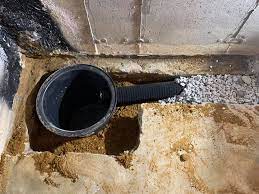 When deciding between a battery or water-powered backup sump pump, you’ll want to evaluate the costs involved.
Initially, you might think that water-powered pumps save you money since they don’t require electricity. However, they do increase your water usage, and depending on your local water rates, this might offset any savings.
On the other hand, battery-powered sump pumps have their own costs. While they don’t hike up your water bill, they demand regular battery replacements. The lifespan of a battery can vary, but typically, you’ll need a new one every 2-3 years. The cost of these replacements can add up over time.
What about installation costs? Water-powered pumps are typically more complex to install, hence, they can have higher installation costs.
Battery-powered pumps are generally easier and less expensive to install.
Maintenance costs also come into play. Battery-powered pumps need regular checks and possible battery changes, while water-powered pumps require less maintenance.
Choosing the Right System for Your Home
So, you’ve evaluated the costs, and now you’re wondering how to choose the right system for your home. The choice between battery and water-powered backup sump pumps boils down to your specific needs and circumstances.
Here’s a simple guide to help you decide:
- Evaluate your power reliability: If your area experiences frequent power outages, a battery-powered system might be a good choice. It’ll keep working even when your home’s power is out.
- Examine your water supply: Water-powered systems require a consistent and strong water supply. If that’s reliable in your area, this could be a suitable option for you.
- Assess your basement’s risk of flooding: If your basement is highly prone to flooding, you might need a more robust system. A combination of both battery and water-powered systems might be the best bet in this case.
- Think about your budget: Finally, don’t forget to reflect on your budget. Battery systems might be cheaper upfront, but they can have higher maintenance costs.
Water-powered systems may cost more initially but could save you money in the long run.
Maintenance Tips for Backup Sump Pumps
Keeping your backup sump pump in tip-top shape is vital for guaranteeing it’s ready to spring into action when needed. Regular maintenance is the key to preventing unexpected failures and costly repairs. It’s not a complex task, and you can do it yourself with a few simple steps.
Start by inspecting the pump at least quarterly. Check for any signs of wear and tear, particularly on the battery and valves. Replace parts as necessary. Don’t forget to give the battery a full charge every few months to guarantee it’s ready to kick in during a power outage.
Next, clean the sump pit regularly. Remove any debris that could hinder the pump’s operation. It’s a dirty job, but it’s vital for maintaining your pump’s efficiency.
Also, test the pump frequently. Pour a bucket of water into the pit and observe the pump’s response. It should start automatically and drain the water quickly. If it doesn’t, it’s time to call for professional help.
Lastly, always keep an eye on the alarm system. It’s your first line of defense against flooding. Make sure it’s working correctly.
Conclusion
Choosing between a battery-operated or water-powered backup sump pump depends on your specific needs and flood risk. If reliability during a power outage is your main concern, go for a battery-operated system. If minimal maintenance is more important, a water-powered system could be your best bet. Remember, whichever you choose, regular upkeep is key. Weigh the pros and cons, consider your budget, and you’ll find the right fit for your home.