You’ve just discovered a crack in your home’s foundation and your mind is racing with questions. Top of the list is likely, “Will my home insurance cover this?” The answer isn’t straightforward, as insurance policies differ greatly and the cause of the damage plays a pivotal role. Some scenarios see homeowners covered, while others might leave you footing the bill. Wouldn’t you want to know where you stand before a foundation issue arises? Let’s unpack this complex issue together.
Key Takeaways
- Foundation repair is typically covered by home insurance only for sudden, unforeseen incidents like burst pipes or fires.
- Homeowner’s insurance usually excludes coverage for foundation damage caused by neglect, soil conditions, or “Act of God” incidents like earthquakes.
- The policy holder is responsible for understanding their coverage details and policy exclusions to avoid surprise costs during claims.
- When filing a claim for foundation repair, documentation of the damage, obtaining repair estimates, and prompt notification to the insurance company are crucial.
- Regular inspections, preventive maintenance, effective drainage solutions, and controlled moisture within the home can prevent foundation damage, which might not be covered by insurance.
Understanding Home Insurance Policies

Almost every homeowner has a home insurance policy, but surprisingly few fully understand what it covers. So, let’s clear up some of the confusion.
First, you need to grasp the different policy types. The most common are HO-1, HO-2 and HO-3. HO-1 offers the least coverage and is rarely sold today. On the other hand, HO-2 and HO-3 offer broader protection, with the latter being the most comprehensive.
Next, let’s talk about coverage limits. These are the maximum amounts that your insurance will pay out for a covered loss. They’re typically set at the cost to rebuild your home.
However, you should realize that these limits aren’t unlimited. For instance, if your home’s value is $200,000, and you’ve got coverage for $150,000, you’re gonna be on the hook for the remaining $50,000 if your home is destroyed.
Understanding your home insurance policy is vital. It’s not just about paying the premiums. It’s about knowing what’s covered, and what’s not.
That way, you’re not caught off guard when the unexpected happens.
The Basics of Foundation Repair
You’ve learned about home insurance, now let’s talk about the basics of foundation repair.
Understanding foundation damage is the first step. Once you’re familiar with the issues, we’ll move on to how you can repair those problems.
Understanding Foundation Damage
A staggering number of homes suffer from foundation damage, but many homeowners are unaware of its signs and implications. Foundation stability is critical for your home’s overall structure, and soil movement can significantly impact this stability.
You’ll need to understand the different types of foundation damage to effectively diagnose and address them. These can range from minor cracks in the walls to severe structural issues.
To help you better comprehend, here’s a table summarizing the common types of damage, their causes, and symptoms:
| Type of Damage | Causes | Symptoms |
|---|---|---|
| Wall Cracks | Soil movement, water pressure | Visible cracks on walls |
| Settling/Sinking | Soil conditions, improper drainage | Uneven floors, sticking doors |
| Upheaval | Expansive soil, tree roots | Raised foundation, cracked walls |
These issues can lead to serious structural problems if left unattended. However, don’t panic if you spot these signs. Not all cracks or settling indicate a serious issue. It’s about knowing when to worry and when to consult a professional. We’ll discuss the solutions in the next subtopic, “Repairing Foundation Problems”.
Repairing Foundation Problems
Dealing with foundation problems can feel daunting, but knowing the basics of repair can ease your worries. Foundation stability is paramount to your home’s structural integrity. It’s essential to understand the repair techniques available, as they can vary based on soil conditions and the type of damage.
Regular inspections are crucial, with the frequency often determined by your area’s seasonal effects and your property’s specific vulnerabilities. If you’re facing issues with the foundation, don’t delay in getting a professional inspection. An expert can provide a thorough cost assessment, allowing you to understand the financial commitment involved.
Soil conditions play a significant role in foundation problems. Changes in soil moisture due to seasonal effects can lead to foundation shifting, cracks, and other issues.
Implementing effective drainage solutions can mitigate these problems, helping to maintain foundation stability.
Typical Coverage in Home Insurance
Your homeowner’s insurance policy typically steps in to protect your home from certain perils. But what coverage types does it usually include, and how does the claim process work?
Typically, home insurance covers damage caused by accidents or unexpected events. This may include fire, theft, or weather damage, amongst others. However, your policy may also have exclusions.
Typically, these are perils that your insurance company sees as too risky or predictable. It’s critical to understand these exclusions to avoid unpleasant surprises later on.
The damage assessment phase is an important part of the claim process. This is when an adjuster evaluates the extent of the damage and estimates repair costs. The outcome of this assessment can significantly impact the amount your insurance company will pay.
Your policy limits also play a key role. These are the maximum amounts your insurer will pay for different types of losses. It’s your responsibility as a homeowner to ensure these limits adequately cover potential repair costs.
Common Causes of Foundation Damage
Bearing the weight of your entire home, the foundation is crucial for its structural integrity. However, various factors can cause damage, leading to cracked walls and uneven floors.
Let’s consider the common culprits:
- Environmental Factors: Weather extremes can cause soil erosion and water damage. Heavy rains lead to poor drainage, causing water to pool and seep into your foundation. Similarly, droughts make soil shrink away, destabilizing the foundation. Tree roots can also grow into your foundation, causing cracks and upheaval.
- Construction Issues: Construction defects, such as inadequate site preparation or use of low-quality materials, can cause foundation problems. If your home isn’t built to withstand the local seismic activity, you’re likely to face foundation damage.
- Plumbing Problems: Plumbing leaks can lead to water accumulation around your foundation, causing cracks and other issues.
Preventing foundation damage can save you from expensive repairs and potential safety hazards.
Home Insurance: Exceptions and Limitations
While you may have home insurance, it’s essential to understand that your policy has certain limitations and exceptions.
Not all foundation repairs might be covered, leaving you on the hook for unexpected expenses.
Let’s unpack what these exceptions and limitations could mean for you and your wallet.
Understanding Insurance Limitations
Navigating the maze of your home insurance policy can often feel like a daunting task, especially when it comes to understanding its limitations and exceptions. Knowing the boundaries of your coverage is crucial to avoid unpleasant surprises when you need it the most.
Let’s shed some light on insurance exclusions and policy specifics.
Firstly, your insurance policy is unlikely to cover damage caused by negligence or poor maintenance. If you’ve ignored a small crack in your foundation and it eventually causes significant damage, you might find yourself footing the bill.
Secondly, “act of God” incidents, such as earthquakes or floods, often fall into the category of insurance exclusions. While some policies might include these, many don’t, so it’s worth double-checking.
Lastly, many policies won’t cover damage caused by “settling” or “movement”. This is when your foundation shifts due to soil conditions or other external factors.
Understanding these limitations will help you know what’s excluded from your policy, and what you’re responsible for maintaining.
Exceptions in Coverage Policies
Now that you’ve got a grasp on the limitations of your home insurance policy, let’s explore some of the exceptions. These are circumstances where you might think you’re covered, but due to policy exclusions, you’re not.
| Exception | Explanation | Impact |
|---|---|---|
| Earth Movement | Includes earthquakes, landslides, and sinkholes. | Not covered unless you have specific additional coverage. |
| Flood Damage | Caused by natural disasters, heavy rains, or sewer backups. | Flood insurance is typically a separate policy. |
| Neglect | Damage that occurs due to lack of maintenance. | Insurance won’t pay for repairs due to neglect. |
| Construction Work | Damage caused during home renovations or construction. | These are typically excluded, requiring a separate builder’s risk policy. |
These exceptions highlight the importance of understanding your policy limitations. It’s not enough to have home insurance; you must know what it covers and what it excludes. If you’re unsure, it’s wise to discuss it with your insurance agent. Don’t wait until you’re in deep trouble to find out that you’re not covered for specific damages. In the world of home insurance, knowledge truly is power.
When Is Foundation Repair Covered?
Ever wondered when your home insurance might cover foundation repair? Well, you’re not alone. Foundation insurance coverage eligibility often depends on specific circumstances.
Here are three scenarios where your policy might come into play:
- Sudden, unforeseen incidents: If the damage to your foundation is due to a sudden, unexpected event like a burst pipe or a fire, your insurance is likely to cover the repair costs.
- Weather-related incidents: Severe weather events such as floods may cause extensive damage to your foundation. Some insurance policies cover these types of incidents, provided you’ve included flood insurance or similar add-ons in your policy.
- Tree roots: If a tree root grows into your foundation causing damage, you might be eligible for coverage. However, this is typically covered only if the tree was healthy and the damage was unforeseen.
Cases Where Insurance Might Not Apply
While your home insurance may cover foundation repairs in certain scenarios, there are also cases where insurance mightn’t apply. It’s crucial to understand the policy nuances and insurance exclusions that could leave you footing the bill.
For example, if the damage to your foundation is due to normal wear and tear or poor construction, your insurance likely won’t cover the repairs. These instances are often considered maintenance issues, not unexpected or sudden events, and therefore fall outside the scope of most policies.
Insurance exclusions also often include earth movement like settling, shifting, or expanding soil, which can cause cracks in your foundation. While this is a common source of foundation issues, it’s usually not covered by standard home insurance.
Similarly, if your foundation damage is the result of your failure to make necessary repairs or maintain your property, your claim might be denied.
Lastly, remember that each insurance company and policy is unique. What one company excludes, another might cover.
Tips for Filing a Foundation Repair Claim
Before you find yourself grappling with a foundation issue, it’s crucial to understand how to properly file a claim to get the most out of your insurance policy.
It’s all about being proactive and organized.
- Document Everything: After noticing the problem, don’t delay in taking pictures and making notes.
This claim documentation will serve as proof of the damage, showing the initial state and any progression.
- Get Repair Estimates: Contact a few reputable foundation repair companies to get a clear idea of the cost involved.
These repair estimates will help you determine the financial implication and will also be needed for your claim.
- Contact Your Insurance Company: As soon as you have your documentation and estimates in order, promptly notify your insurance company about the issue.
The sooner you do this, the better.
Consultation With Insurance Providers
After promptly notifying your insurance company about the foundation damage, it’s time to consult with them. Be prepared to provide all necessary information to facilitate a smooth insurance assessment. Don’t hesitate to ask questions and probe for clarity regarding your insurance policy and the claims process.
During this consultation, your insurance provider will guide you through the claim process and answer your queries. They’ll likely schedule a time for an insurance adjuster to inspect the damage. You should be present during this inspection to ensure nothing is overlooked.
To keep track of the key points during your consultation, it might be helpful to have a table like this:
| Step | Action | Purpose |
|---|---|---|
| 1 | Notify Insurance Company | Inform about the damage |
| 2 | Consultation | Understand your policy and claim process |
| 3 | Insurance Assessment | Evaluate the extent of damage |
| 4 | Adjuster’s Visit | Confirm the damage |
| 5 | Claims Process | Get the repair coverage |
This table will help you navigate the process with ease. Remember, consultation is vital to understanding what your policy covers and what your responsibilities are in the claims process.
Protecting Your Home: Prevention Tips
Now that you’ve got a good grasp on dealing with foundation damage and navigating your insurance, let’s shift gears and focus on something equally important: prevention.
To protect your home from foundation issues, it’s essential to follow a few crucial steps.
- Regular Inspections and Preventive Maintenance: Make it a habit to regularly inspect your foundation for any signs of damage. Use crack monitoring for early detection and swift repair.
Remember, preventive maintenance is always cheaper and less stressful than major repairs.
- Drainage Solutions and Moisture Control: Water is a foundation’s worst enemy. Ensure proper drainage solutions are in place around your home to prevent water buildup.
Additionally, maintain moisture control inside your home, especially during seasonal adjustments.
- Landscaping Considerations and Soil Stabilization: Your home’s landscaping can contribute to or help prevent foundation damage.
Plant trees at a safe distance from your home to prevent root interference with your foundation. Use soil stabilization techniques to prevent soil movement, which can lead to cracks.
Frequently Asked Questions
How Is the Cost of Foundation Repair Estimated?
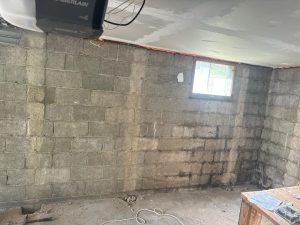
Estimating the cost of foundation repair isn’t a one-size-fits-all process.
It’s dependent on several factors. You’ve got to consider the extent of the damage, the repair techniques required, and the area’s labor rates.
It’s crucial to get a professional assessment to understand the full picture.
Does Living in Certain Geographical Areas Affect the Risk of Foundation Damage?
Absolutely, where you live can significantly impact the risk of foundation damage.
Geological factors and soil composition in your area play a major role. For instance, clay soil expands when wet and contracts when dry, causing movement that can harm your foundation.
Areas prone to earthquakes or floods also pose higher risks.
What Are the Early Signs of Foundation Problems to Look Out For?
You should be on guard for early signs of foundation problems.
Look for cracked walls, uneven floors, and unexplained water leaks.
Soil erosion around your property could also indicate foundation settlement.
If you notice any of these signs, it’s crucial to act quickly to prevent further structural damage.
Don’t wait until it’s severe; early intervention can save you considerable time, stress, and money.
Are There Specific Home Insurance Providers Known to Cover Foundation Repairs?
Yes, there are specific home insurance providers that cover foundation repairs.
It’s vital to compare different providers to see who offers this insurance coverage. However, it’s not typically standard.
Their willingness to cover these repairs often depends on the cause of the damage.
Is There Any Way to Expand My Insurance Policy to Include Foundation Repair?
Yes, you can expand your insurance policy to include foundation repair.
It’s called adding a foundation repair endorsement to your policy. You’ll need to talk to your insurance provider about the options available.
They’ll likely inspect your home’s foundation beforehand. However, it’s important to note that this may increase your premium.
Conclusion
So, is foundation repair covered by home insurance? It depends on your policy and the damage’s cause. Typically, sudden incidents like burst pipes are covered, but neglect or soil movement often aren’t. Always review your policy carefully and chat with your agent to understand your coverage. If you need to file a claim, be thorough and honest. And remember, prevention is key, so keep an eye on your home’s condition to avoid major issues.