You may think you’ve got the whole basement waterproofing thing figured out, right? It’s just about keeping the water out. But, there’s more to it than meets the eye. Did you know that waterproofing isn’t a one-time affair, but a process that requires regular maintenance? Or that the method you choose could dramatically impact your energy bills and even air quality? There’s a lot to learn about this vital home maintenance task. Are you ready to see what else you’ve been missing?
Key Takeaways
- Basement waterproofing involves various methods tailored to specific needs, not a one-size-fits-all solution.
- Waterproofing is a preventative measure, crucial even without visible water damage to prevent future issues.
- Regular maintenance and professional inspections are essential to ensure the effectiveness of waterproofing.
- Ignoring water leaks can lead to severe health risks and significant financial implications due to repair costs and property depreciation.
- Alternative waterproofing materials like liquid rubber and crystalline offer durable solutions beyond traditional options.
The Science Behind Basement Waterproofing
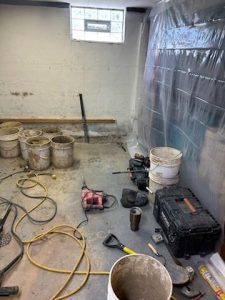
Often, the science behind basement waterproofing is overlooked. You mightn’t realize it, but there’s a lot more to it than slapping on a coat of water-resistant paint. Moisture barriers and waterproofing membranes play a vital role in keeping your basement dry, forming an impenetrable shield against water seepage.
But it’s not just about creating a wall between your basement and the outside world. Proper soil grading is also essential. It ensures that water flows away from your home, not into it. If the grading isn’t right, you’re inviting hydrostatic pressure that could compromise your foundation. Foundation sealing then comes into play to keep the water at bay.
Another key factor is the drainage system. Sump pumps are often installed to remove accumulated water. But, they’re not a one-size-fits-all solution. You need to consider the local climate, soil conditions, and your home’s construction when planning your drainage.
Vapor control is another piece of the puzzle. Dehumidification techniques, like using a dehumidifier or improving ventilation, can help to control moisture levels.
In short, you can’t underestimate the science that goes into waterproofing. It’s about using the right water-resistant materials, understanding environmental factors, and taking a holistic approach to keep your basement dry.
Common Misconceptions About Waterproofing
You might think you know everything about waterproofing, but there are common misconceptions that could lead you astray.
Let’s debunk some of these myths and clarify misunderstood techniques.
Understanding false assumptions can save you both time and money in your waterproofing efforts.
Debunking Waterproofing Myths
Contrary to popular belief, waterproofing isn’t a one-and-done task. It’s not as simple as applying a sealant and forgetting it. This misconception clarification is crucial to understand before diving into the process.
One prevalent myth is that all waterproofing methods are the same. In reality, there are various types like interior, exterior, or integral waterproofing each with its own benefits and drawbacks. Your choice should depend on your basement’s specific needs.
Another myth is that waterproofing can be a DIY task. While you may tackle minor issues yourself, professional help is recommended for a thorough job. Remember, shortcuts can lead to more damage and costlier repairs in the future.
Many also believe that waterproofing isn’t necessary unless there’s a leak. This is far from the truth. Waterproofing is a preventative measure that saves you from potential damages, not just a solution to existing ones.
Misunderstood Waterproofing Techniques
Despite the wealth of information available, many waterproofing techniques are still widely misunderstood. You might be surprised to learn that alternative materials and innovative techniques are often overlooked, due to misconceptions about their effectiveness.
For instance, many believe that traditional materials like tar and metal are the only options for waterproofing. In reality, alternative materials such as liquid rubber and crystalline waterproofing products can provide a more durable and flexible solution. These materials adhere to the surface, creating a seamless barrier against moisture.
Similarly, you might think that waterproofing is a one-size-fits-all solution. On the contrary, different techniques are suited to different situations. For instance, exterior waterproofing might be ideal for preventing water penetration, but interior methods may be more effective at managing water that’s already infiltrated.
Innovative techniques such as the French drain system or sump pump installations are also frequently misunderstood. These methods aren’t just about diverting water away from your house, but also about managing groundwater and maintaining the structural integrity of your property.
Waterproofing: False Assumptions
Building on that, let’s bust some common myths surrounding basement waterproofing. You need to know the truth behind these mythical beliefs and waterproofing misconceptions.
- Waterproofing is unnecessary: Many believe that if they aren’t seeing visible water damage, waterproofing isn’t necessary. This is a dangerous misconception. Basement waterproofing is about preventative measures as much as it’s about remedial ones.
- All waterproofing methods are the same: Not true. Different methods are suitable for different types of basements and problems. You need to choose the right one for your specific situation.
- Waterproofing is a one-time thing: This is another common false assumption. Just like your car needs regular servicing, your basement waterproofing needs maintenance to remain effective.
- DIY is as good as professional waterproofing: While you might save some money upfront, you’re likely to incur heavier costs in the long run if things go wrong. Professionals have the right tools, materials, and expertise.
Benefits Beyond Preventing Water Damage
While halting water damage is a significant advantage of basement waterproofing, there are other benefits that you mightn’t have considered. One such benefit is improved energy efficiency. By sealing off potential entry points for water, you’re also blocking the path for cold air during winter and hot air in the summer. This means your heating and cooling systems won’t have to work as hard to maintain a comfortable temperature, leading to significant savings on your energy bills.
Another less obvious advantage is effective moisture regulation. A waterproofed basement can prevent the build-up of humidity, providing a healthier environment in your home.
When there’s too much moisture in the air, it can lead to the growth of mold and mildew, which can cause health issues and damage to your property. But with a waterproof basement, you’re avoiding these potential problems.
The Hidden Cost of Ignored Water Leaks
You may not notice it at first, but ignored water leaks have unseen costs that can hit you hard.
Not only can they devalue your property, but they also pose serious health risks.
Moreover, the maintenance and repair costs you’ll face, once the problem becomes too big to ignore, can be substantial.
Impact on Property Value
Ignoring water leaks in your basement may seem like a minor inconvenience, but it can have a significant impact on your property’s value.
When it comes to a property appraisal, an unresolved leak can be a red flag for potential buyers and appraisers. Here’s how it can affect your resale potential:
- Lower Appraisal Values: The condition of your house plays a significant role in its valuation. A water-damaged basement can lead to a lower appraisal value, reducing your home’s worth.
- High Repair Costs: Future buyers will consider the cost of fixing the water leaks. This could lead them to offer a lower price or, worse, turn them off from buying your property altogether.
- Damage to Property: Unattended water leaks can lead to structural damage, which can drastically affect the value of your property.
- Decreased Market Competitiveness: Homes with water problems aren’t as competitive in the market. Buyers tend to prefer homes that are move-in ready.
Don’t underestimate the cost of ignoring water leaks. They’re not just a nuisance — they’re a threat to your property’s value.
Health Risks Involved
Beyond the financial implications, there’s a hidden cost of untreated basement leaks – your health. Persistent dampness can lead to mold exposure and respiratory issues. Moreover, unchecked leaks can cause structural damage, creating a haven for pest infestations.
You might not realize it, but your basement’s humidity control is fundamental for your well-being. Without proper waterproofing, you’re at risk of chemical exposure from waterborne pathogens in accumulated moisture. Consequently, various health symptoms can manifest, from allergies to more severe conditions.
To illustrate, here’s a table summarizing the risks:
| Problem | Health Risk | Prevention |
|---|---|---|
| Mold Exposure | Respiratory Issues | Humidity Control |
| Structural Damage | Pest Infestations | Regular Inspections |
| Chemical Exposure | Various Health Symptoms | Waterproofing |
| Waterborne Pathogens | Diseases | Waterproofing |
Maintenance and Repair Costs
Over time, the hidden costs of ignored water leaks can have a significant impact on your finances. You may not think much of it when you first notice a small leak in your basement, but neglecting it can lead to significant repair costs down the line.
Let’s do a quick cost analysis and see what can happen if you don’t take action:
- Increased utility bills: Water leaks can lead to a significant increase in your water bill. You’re not just paying for the water that’s leaking, but also for the energy to heat that water.
- Structural damage: Water leakage can cause severe damage to your home’s structure, leading to expensive repairs.
- Mold and mildew: These not only cause health problems but also require a costly removal process.
- Depreciation of property value: If not addressed, a leaky basement can decrease your home’s value.
Different Waterproofing Methods Explained
Diving into the world of waterproofing methods, it’s crucial to understand the variety of options available to you. Each one offers a unique approach to keeping your basement dry and damage-free.
Interior drainage is a popular choice; it captures any water that makes its way inside and directs it out. Sump pumps work similarly, pumping out water that collects in a designated basin. These methods are typically paired with vapor barriers, which prevent moisture from seeping through your walls and floor.
Exterior barriers, on the other hand, stop water before it even enters your home. These include foundation sealing and masonry treatments, which block water at the source. Waterproof coatings add an extra layer of protection to these barriers, ensuring your basement stays dry.
Landscape grading is another preventative measure. It involves sloping your yard away from your home to keep runoff from pooling against your foundation.
Each method has its pros and cons, and what works best will depend on factors like your home’s construction and your local environment. By understanding these different methods, you’ll be well-equipped to choose the best waterproofing for your basement.
Role of Climate in Basement Waterproofing
When it comes to basement waterproofing, your local climate plays a pivotal role. You mightn’t realize it, but factors like humidity levels, seasonal variations, temperature fluctuations, and rainfall patterns significantly impact the type of waterproofing best suited for your home.
 Humidity levels: High humidity can increase the moisture in your basement, making it prone to dampness and mold. A dehumidifier can help, but waterproofing is a more long-term solution.
- Seasonal variations and temperature fluctuations: These can affect soil conditions around your home. For instance, freezing and thawing can cause soil expansion, leading to foundation cracks. Waterproofing can prevent water seepage through these cracks.
- Rainfall patterns: If you live in an area with heavy rainfall, it’s vital to have effective drainage solutions. The water table can rise, increasing hydrostatic pressure on your basement walls and floor. Waterproofing can counter this pressure.
- Climate adaptation: You’ll need to adapt your waterproofing technique according to your climate. For instance, if you live in a dry area, you may need different waterproofing methods compared to someone living in a humid region.
 Humidity levels: High humidity can increase the moisture in your basement, making it prone to dampness and mold. A dehumidifier can help, but waterproofing is a more long-term solution.
Importance of Professional Waterproofing Inspection
Before you embark on a basement waterproofing project, it’s crucial to have a professional inspection. It’s not just about identifying existing issues, it’s about preventing potential ones. You might think you’re saving money by skipping this step, but it could end up costing you more in the long run.
Inspection frequency varies depending on the age and condition of your home. Newer homes may only require an inspection every few years, while older homes should be inspected more frequently. This is where professional qualifications come in. You want someone who’s experienced and knowledgeable about various waterproofing techniques and potential issues.
Here’s a quick rundown of what a professional inspection entails:
| Stage | Description | Importance |
|---|---|---|
| Initial Assessment | Checking the overall condition of the basement | Identifies potential weak spots |
| Detailed Inspection | Looking for signs of water damage, cracks, and leaks | Pinpoints existing issues |
| Recommendations | Suggesting the best waterproofing method based on the findings | Ensures an effective solution |
| Cost Estimation | Providing a detailed estimate of the work | Helps with budgeting |
| Follow-up | Re-inspecting after the work is done | Verifies the quality of the work |
Long-Term Impact on Property Value
Having your basement professionally inspected and waterproofed isn’t just about dealing with immediate issues. It’s also a strategic move that can have a significant long-term impact on your property value.
Consider these facts:
- Market Trends: Savvy buyers are always on the lookout for homes that are well-maintained. A waterproofed basement is a clear indication of a diligent homeowner who takes preventive measures. It’s a selling point that may put you ahead in competitive market trends.
- Resale Value: Waterproofing can increase your home’s resale value. In fact, according to a report by HomeAdvisor, basement waterproofing can provide up to a 30% return on investment.
- Preventive Savings: Basement waterproofing can save you money in the long run by preventing costly water damage repairs, which, if left unchecked, can devalue your property.
- Insurance Premiums: Some insurers may offer lower premiums for homes with waterproofed basements, as this reduces the risk of water damage-related claims.
Indoor Air Quality and Waterproofing
Beyond boosting your property value, basement waterproofing can also have a profound effect on your home’s indoor air quality. You mightn’t realize it, but a damp basement can increase indoor humidity levels, causing moisture to seep into your living spaces. This not only makes your home feel uncomfortable, but it can also lead to the growth of mold and mildew, which can seriously impact your health.
Waterproofing your basement effectively reduces this indoor humidity. By sealing off any potential entry points for water, you’re essentially creating a drier environment. This helps to improve air circulation, pushing out damp, stagnant air and replacing it with fresh, clean air.
But it’s not just about comfort – it’s about your health too. High levels of indoor humidity can exacerbate allergies and asthma, and mold spores can cause a variety of respiratory issues.
Necessary Maintenance After Waterproofing
Ever wondered what comes after basement waterproofing? Well, it doesn’t just stop at that. Your basement requires consistent care even after waterproofing to ensure its longevity.
This is where post waterproofing inspections and seasonal maintenance tips come in handy.
- Regular Inspections: After waterproofing, you must conduct regular inspections. Look out for any signs of moisture or leaks. These could be indications that the waterproofing is failing, and you may need to take action.
- Seasonal Maintenance: Each season brings unique challenges to your basement. For instance, during the rainy season, ensure your gutters are clean and your landscaping slopes away from your home.
- Repairs: If you notice any cracks or damage during your inspections, don’t procrastinate. It’s critical to repair these immediately to prevent further problems.
- Professional Checks: While you can do much of the maintenance, it’s good to have a professional checkup annually. They can spot things you might miss and provide expert advice.
Frequently Asked Questions
What Is the Ideal Time Frame for Reapplying Basement Waterproofing?
When it comes to reapplying basement waterproofing, there isn’t a one-size-fits-all time frame.
It largely depends on the waterproofing techniques used and the conditions of your basement. Generally, you’re looking at a reapplication frequency of every 3-5 years.
However, if you’re noticing signs of moisture or leakage, it’s best to address the issue sooner rather than later to prevent further damage.
Always consult a professional for personalized advice.
Does Basement Waterproofing Affect My Home Insurance Premiums?
Yes, basement waterproofing can affect your home insurance premiums.
By waterproofing your basement, you’re lessening the risk of water damage, which can lead to potential insurance claims. This proactive measure can be seen favorably by insurance companies, possibly leading to premium discounts.
It’s worth talking to your insurance provider to understand how waterproofing could specifically influence your insurance coverage.
Are There Any Eco-Friendly Options for Basement Waterproofing?
Yes, there are eco-friendly options for basement waterproofing.
You can opt for green materials such as a water-based, non-toxic sealant.
There’s also the possibility of using sustainable techniques like a French drain system which harnesses natural gravity.
It’s a win-win.
You’re not only protecting your home from water damage, but you’re also doing your part for the environment.
How Does Basement Waterproofing Affect Potential Buyers Perception of My Property?
Basement waterproofing significantly boosts buyer confidence in your property.
It’s a clear indication you’ve taken steps to protect the home against potential water damage. This proactive approach not only enhances the property’s value but also makes it more appealing to potential buyers.
They’re reassured knowing they won’t have to deal with the hassle and costs of water-related issues.
Can I Waterproof My Basement Myself or Do I Need Professional Help?
Sure, you can waterproof your basement yourself using various DIY techniques.
However, it’s crucial to know what you’re doing to avoid future issues. While you might save some cash upfront, any mistakes could end up costing more in long-term damages.
It’s often more cost-effective and less stressful to hire a professional. They’ll ensure the job’s done right, potentially increasing your home’s value and making it more appealing to buyers.
Conclusion
So, now you’re equipped with some lesser-known facts about basement waterproofing. It’s not just about stopping leaks, but also about improving air quality and energy efficiency. Don’t underestimate the value of professional inspections and the ongoing maintenance. Remember, neglecting this vital step can cost you in the long run, both in property value and overall comfort. Understanding and investing in basement waterproofing is one of the best decisions you can make as a homeowner.

Mike Perry is the esteemed owner of ARK Basement Services, a premier company specializing in basement waterproofing and foundation repair services. Under Mike’s leadership, ARK Basement Services has established itself as a trusted leader in the industry, known for delivering high-quality, reliable solutions to homeowners facing basement and foundation issues. Mike’s commitment to excellence, combined with his extensive knowledge and experience in the field, has been instrumental in building a company that is dedicated to ensuring customer satisfaction and the longevity of their homes. His hands-on approach and dedication to utilizing the latest technologies and methods have set ARK Basement Services apart, making them a go-to provider for those in need of expert basement and foundation services. For more details on Mike Perry’s work and ARK Basement Services, visit their website at https://www.arkbasementservices.com/.